

UK Fishing Fleet on the Brink: Could Defence Be Its Lifeline?
British trawlers, outpriced by EU competitors, may find new purpose in coastal surveillance and defence roles by 2038.
The UK’s domestic fishing fleet, struggling under uncompetitive fuel costs and static quotas until 2038, faces extinction, unless it finds a second life in defence. With British trawlers unable to match the prices of EU-caught fish in both home and European markets, some now propose leasing them to the Ministry of Defence for coastal surveillance or patrol duties.
The crisis stems from a December 2025 deal between the UK and the European Union, which extended interim fishing quotas until 2038 without adjustment. The agreement, intended to secure UK access to EU markets, instead locked British fishermen into the same competition with subsidised European fleets that has plagued the industry since Brexit.
While the EU grants its trawlers maritime diesel subsidies, UK vessels pay some of the highest fuel prices globally, second only to Hong Kong and Singapore, due to renewable energy infrastructure costs being passed to consumers rather than funded through general taxation.
British trawlers, already at a cost disadvantage, now find their fish priced out of both domestic and European markets by EU competitors.
While the European fishing fleet benefits from state-subsidised diesel, UK trawlers pay the full commercial rate, which remains among the highest in the world. The UK’s marginal pricing system for energy, combined with the decision to fund renewable infrastructure through consumer bills rather than general taxation, has left British fishermen paying a premium for every litre of fuel.
A Defence Role for Struggling Trawlers?: uk fishing fleet
With commercial viability fading, some commentators have begun to explore alternative roles for the UK’s fishing fleet. One proposal suggests leasing trawlers to the Ministry of Defence for surveillance of Russian activity in British waters. Suspicions have grown in recent years that Russian-flagged trawlers, ostensibly fishing, are instead mapping undersea cables and pipelines, a critical infrastructure vulnerability.
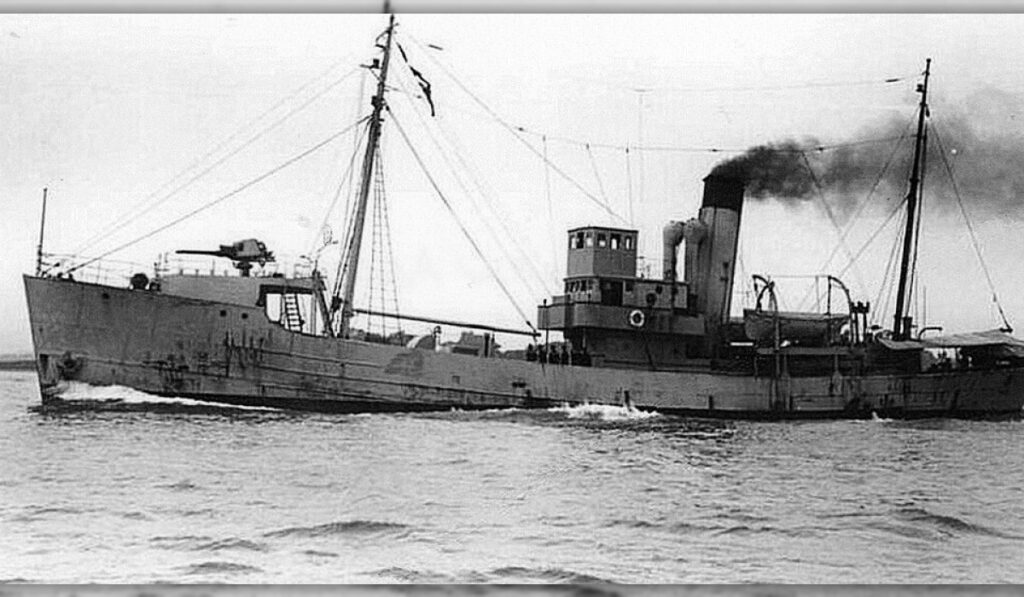
A more radical suggestion involves activating trawlers under Ship Taken Up From Trade (STUFT) Trade (STUFT) arrangements, a wartime measure that allows civilian vessels to be temporarily repurposed for military use. Equipped with drones, these trawlers could conduct coastal patrols, easing the burden on the Royal Navy, which is currently stretched thin by global commitments. The idea is not without precedent: during the Second World War, the Royal Naval Patrol Service, headquartered in Lowestoft, successfully deployed trawlers for mine-sweeping and escort duties.
However, the proposal is not without challenges. Trawlers, designed for fishing rather than defence, would require significant modifications to accommodate surveillance equipment or drones.
Instead, the 2025 deal dashed those hopes, leaving the industry to grapple with the same structural disadvantages that have plagued it for years. With no change in quotas until 2038, the fleet’s future now hinges on whether it can carve out a new niche in defence, or whether it will simply disappear.
As Russian vessels continue to prowl British waters under the guise of fishing, the need for coastal surveillance has never been more pressing. If the UK’s trawlers can no longer compete commercially, they may yet find a new purpose in protecting the nation’s shores.


Sign up free to ask CAMAL AI for a summary, the key points or anything else about this story.
Related stories
CAMAL AI
 Financial Ports Newsletter
The maritime economy, every morning
Ports, shipping and freight markets in one short email. Free.



