

Farmed Fish Feed Devours Wild Stocks: The $313bn Industry’s Dark Secret
Over a fifth of all marine life caught globally is ground into feed for farmed fish, a five-year investigation reveals.
The global aquaculture industry, valued at $313 billion, is driving an unseen crisis beneath the waves. More than a fifth of all marine life caught from the world’s oceans is not destined for human plates but is instead ground into fishmeal, a protein-rich powder used to feed farmed fish. A five-year investigation by The Outlaw Ocean Project exposes the hidden costs of this booming sector, revealing forced labor, worker deaths, and environmental devastation across 64 countries.
The promise of aquaculture was simple: relieve pressure on wild fish populations by farming seafood. Instead, it has intensified demand for wild fish. Over half of the seafood consumed globally now comes from aquaculture, making it the fastest-growing segment of food production. Yet, the industry’s reliance on fishmeal, a key ingredient derived from wild-caught fish, has created a paradox. Rather than conserving marine life, aquaculture is accelerating its depletion.
The Fishmeal Factories Fueling the Crisis: Industry
The investigation identified 1,400 fishmeal factories spread across 64 countries, responsible for nearly the entire global supply of this lucrative feed. These facilities, often located in coastal communities, process wild fish into a dark-yellow powder that fuels the aquaculture boom. Behind the scenes, however, the industry’s operations tell a darker story.
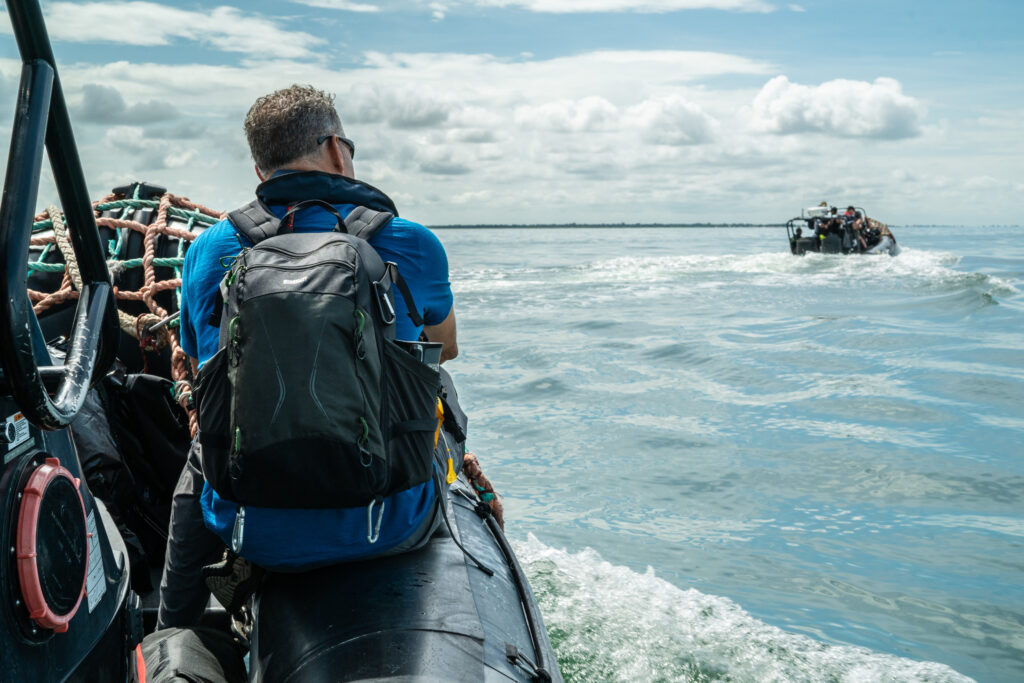
Journalists from The Outlaw Ocean Project documented the environmental and human toll of fishmeal production. In Senegal, Thailand, Peru, and other nations, local fish stocks are being depleted to feed farmed salmon, shrimp, and other high-demand seafood.
Communities that once relied on these fish for sustenance now face food insecurity, as inexpensive, edible fish are diverted to animal feed. Residents living near fishmeal plants reported exposure to hazardous chemicals, while workers on fishmeal-associated vessels endured dangerous conditions, with deaths and injuries documented across the supply chain.
The scale of this industry is staggering. These vessels, often flagged in jurisdictions with lax regulations, contribute to a cycle of overfishing that has left once-abundant fisheries on the brink of collapse.
The Outlaw Ocean Project, a non-profit journalistic organisation, has spent nearly a decade exposing lawlessness at sea and its threats to both people and biodiversity. Founded by an investigative journalist, the project operates as a global network of reporters, researchers, and data analysts, all focused on uncovering the hidden impacts of industries like aquaculture.
From Bait to Plate: The Transparency Gap
The investigation also tracked the climate impact of aquaculture. Mangroves and seagrass meadows, critical carbon sinks, are being cleared to make way for fish farms. Meanwhile, fishmeal is shipped thousands of miles to feed farmed fish, adding to the industry’s carbon footprint. Despite these hidden costs, aquaculture’s reputation as a sustainable solution remains largely unchallenged in the public eye.
To counter this, The Outlaw Ocean Project developed tools to increase transparency. The project also created the B2P Bot, a tool that surfaces existing reporting on fishmeal production and its impacts. Updated daily with data from news articles, NGO reports, and government records, these resources aim to hold the industry accountable.
For consumers, the implications are clear. The seafood on supermarket shelves often carries an invisible cost, one paid by coastal communities, exploited workers, and depleted ecosystems. The Bait to Plate tool, accessible via The Outlaw Ocean Project’s website, empowers buyers to trace the origins of their purchases.
The B2P Bot, meanwhile, provides a direct line to the project’s investigative findings, allowing users to ask questions about specific companies or regions. It is important to note, however, that the bot is limited to surfacing existing reporting and does not generate new analysis or predictions.
The Outlaw Ocean Project’s investigation spanned five years and involved a global network of more than two dozen journalists. The team conducted six voyages at sea, boarding fishmeal vessels in the South China Sea, the Southern Ocean near Antarctica, and the North Atlantic. On land, reporters visited fishmeal factories and aquaculture sites in Senegal, Thailand, Peru, Gambia, Vietnam, Indonesia, Cambodia, Greece, and India. The team also corresponded with over 400 companies, government agencies, and certification bodies to verify findings and invite responses.
The findings underscore the urgent need for reform. While aquaculture continues to expand, the environmental and human costs of fishmeal production remain largely invisible to consumers. The Outlaw Ocean Project’s work aims to change that, providing the public with the tools to demand greater transparency and accountability from an industry that has long operated in the shadows.
Governments and industry bodies have begun to respond, with some certification schemes now requiring traceability for fishmeal sourcing. However, enforcement remains weak, and many companies continue to operate with little oversight.
For those concerned about the origins of their seafood, the Bait to Plate tool offers a starting point. By understanding the supply chain, consumers can make informed choices and pressure industry leaders to adopt more sustainable practices.
The question remains: will the aquaculture industry address these hidden costs, or will it continue to prioritize profit over the health of our oceans? The next steps are clear. Governments must strengthen regulations, companies must embrace transparency, and consumers must demand accountability. Until then, the hidden crisis beneath the waves will persist.
The aquaculture industry’s reliance on fishmeal has significant implications for global shipping and port operations. The 2,400 vessels tied to fishmeal production represent a substantial portion of the maritime fleet, often operating in regions with limited regulatory oversight.
Ports in countries like Peru, Thailand, and Vietnam have become critical hubs for the fishmeal trade, handling millions of tonnes of raw material annually. However, the lack of transparency in these supply chains poses risks for ports and shipping companies, which may unknowingly facilitate illegal fishing or labour abuses.
For port authorities, the challenge is twofold. First, they must ensure that fishmeal imports comply with international labour and environmental standards. Second, they must work with customs agencies to verify the origins of fishmeal shipments, preventing illegally sourced material from entering global markets. The Outlaw Ocean Project’s Bait to Plate tool could serve as a valuable resource for ports seeking to audit their supply chains, providing data on vessels and companies with documented violations.
Shipping companies, too, have a role to play. Many of the vessels involved in fishmeal production are older, poorly maintained ships that pose environmental risks. By refusing to charter these vessels or by demanding higher standards from their clients, shipping firms can help reduce the industry’s carbon footprint and improve working conditions at sea.
Certification schemes, such as those offered by the Marine Stewardship Council (MSC) and the Aquaculture Stewardship Council (ASC), provide a framework for companies to demonstrate their commitment to sustainability, though their effectiveness remains a subject of debate.
The aquaculture industry’s growth shows no signs of slowing. With demand for seafood projected to rise, the pressure on wild fish stocks will only increase unless systemic changes are made. For the maritime sector, this means adopting stricter due diligence processes, investing in traceability technologies, and collaborating with organisations like The Outlaw Ocean Project to expose malpractice. The alternative, continuing to turn a blind eye, risks further degradation of marine ecosystems and the communities that depend on them.
For readers seeking to stay informed about the fishmeal industry and its impacts, The Outlaw Ocean Project offers several resources. Its website provides access to the Bait to Plate tool, the B2P Bot, and a library of investigative reports. The project also publishes a newsletter, which delivers updates on its latest findings and tools directly to subscribers’ inboxes. Those interested in supporting the project’s work can do so through donations or by sharing its reporting on social media.
Consumers can also take direct action by choosing seafood products certified by reputable organisations, such as the MSC or ASC. While these certifications are not without flaws, they represent a step toward greater transparency and sustainability. Additionally, buyers can use the Bait to Plate tool to research the supply chains of their favourite seafood products, avoiding those linked to fishmeal with documented abuses.
For industry stakeholders, the path forward is clear. Companies must adopt traceability measures, ensuring that their fishmeal sourcing is free from labour abuses and environmental harm. Ports and shipping firms must strengthen their due diligence processes, refusing to handle shipments from vessels or companies with poor track records. Governments, meanwhile, must enforce existing regulations and close loopholes that allow illegal fishing and forced labour to persist.
The aquaculture industry’s hidden costs are no longer a secret. With tools like Bait to Plate and the work of organisations like The Outlaw Ocean Project, the public now has the means to demand change. The question is whether the industry will listen, or whether it will continue to prioritise profit over the health of our oceans and the people who depend on them.


Sign up free to ask CAMAL AI for a summary, the key points or anything else about this story.
Related stories
CAMAL AI
 Financial Ports Newsletter
The maritime economy, every morning
Ports, shipping and freight markets in one short email. Free.



