

The calculus for Net Zero in shipping by 2050 must include nuclear, says ABS Chairman and CEO
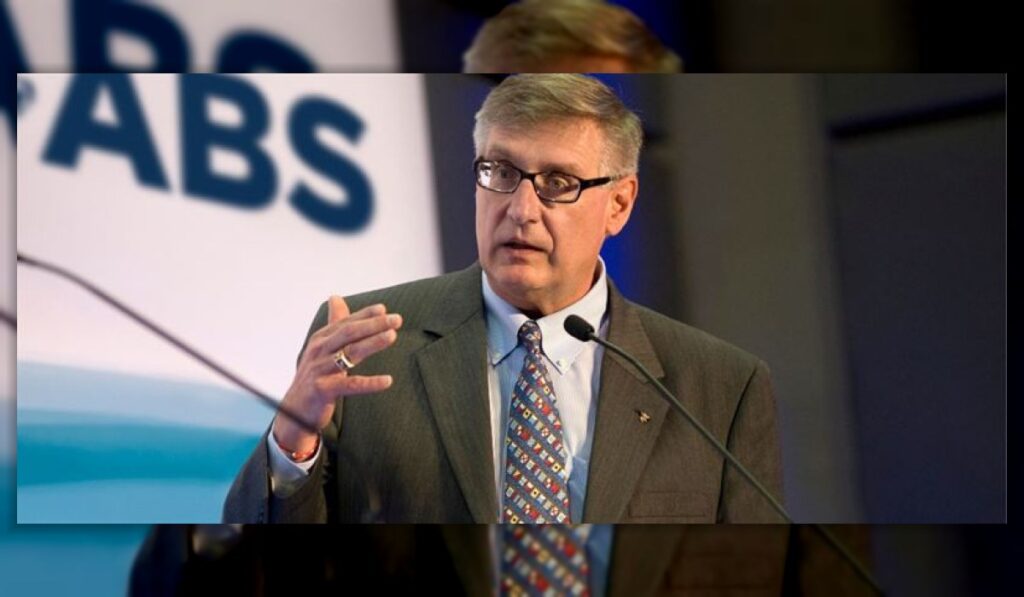
(HOUSTON) “New nuclear technology is a global decarbonization solution and a commercial shipping disruptor. There is no net zero by 2050 without nuclear.”
That was the view from ABS Chairman and CEO Christopher J. Wiernicki, speaking at the Core Power New Nuclear for Maritime Houston Summit.
“New nuclear is a transformational technology. It disrupts the commercial model, the economics of shipping, as well as the operation of vessels and of course their design,” said Wiernicki. “Not only does it offer zero carbon operations but higher power with faster transit speeds, increased cargo storage due to the elimination of fuel storage and it unlocks the potential for reverse cold ironing where the vessel powers the port. Finally, critically, it eliminates the need to bunker fuel potentially over the entire lifespan of the asset.”
Marine Gasoil
Contrary to conventional wisdom about the high cost of nuclear technology, Wiernicki believes new nuclear can be highly competitive.
“The economics are compelling over the life of a vessel,” he said. “When you account for fuel differentials, the cost of compliance and residual value, it costs roughly the same as fossil options, only with zero carbon operations. And it gets much more attractive when compared to the high cost of green fuels.”
However, he highlighted that significant challenges remain beyond technological development.
“While the potential is undoubtedly significant, we will need a new public/private partnership and a new commercial model. It will require insurance to move from its legacy model, and we will need to close the regulatory gaps, develop global licensing standards and invest in crew training,” he said. “The ultimate boundary condition for this technology will be safety, and we need to ensure we engage and educate the public about the advanced safety performance of these new reactors.”
ABS published the industry’s first comprehensive rules for floating nuclear power in October last year. The ABS Requirements for Nuclear Power Systems for Marine and Offshore Applications are available to download here.


Sign up free to ask CAMAL AI for a summary, the key points or anything else about this story.
Related stories
CAMAL AI
 Financial Ports Newsletter
The maritime economy, every morning
Ports, shipping and freight markets in one short email. Free.
Financial Ports Newsletter
The maritime economy, every morning
Ports, shipping and freight markets in one short email. Free.