

Suez Canal slaps 25-year-old ships with surprise inspections and fees
Vessels aged 25 years or older must now undergo mandatory trials and pay fees in advance to transit the Suez Canal.
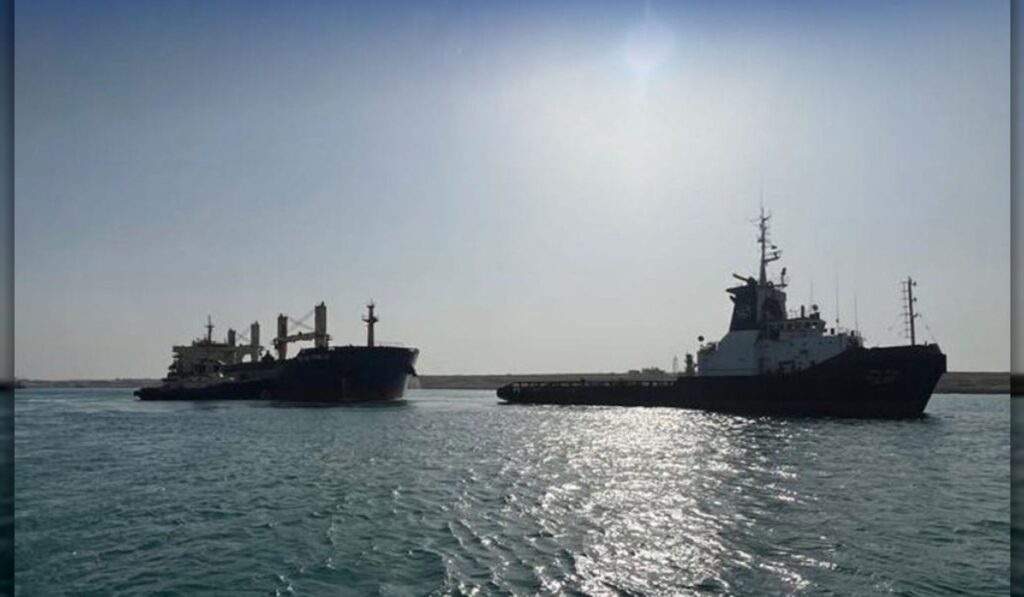
The Suez Canal Authority (SCA) has implemented stricter transit regulations for older vessels, introducing mandatory inspections and trials for ships aged 25 years or more. The new rules, which took effect immediately, require operators to complete a full inspection before receiving clearance to pass through the canal. All associated fees must be paid in advance, adding financial and logistical burdens for owners of ageing tonnage.
Under guidelines issued by the SCA’s Movement Department this week, vessels that have undergone an inspection within the last six months may be exempt from repeating the process—provided no technical defects, breakdowns, or adverse observations were recorded during their previous transit. However, the authority has not disclosed the cost of inspections or the expected time required to complete them, leaving operators to account for potential delays in their voyage planning.
Rising concerns over ageing global fleet: suez canal inspections
The SCA’s decision comes as the global merchant fleet reaches record levels of ageing tonnage. According to Clarksons Research, over 150 million gross tons (gt) of shipping is now 25 years or older, marking a 75% increase in the past five years. Additionally, a record 68 million gt of vessels have surpassed 30 years of service, raising safety and operational concerns in key maritime routes.
The new regulations apply to all vessel types, forcing shipowners and agents to adjust schedules, particularly for ships operating on irregular routes. Without clarity on inspection timelines or fees, operators face heightened uncertainty in an industry already strained by rising costs and geopolitical disruptions.
Impact on shipping operations
The additional requirements introduce fresh challenges for the sector. Operators must now factor in the time and expense of mandatory inspections, which could disrupt voyage schedules and increase operational costs. While the six-month exemption offers some flexibility, it only applies to vessels with no prior technical issues—a condition that may limit its usefulness for older ships.
With no indication of whether the SCA will refine the rules or provide further details, shipping companies are left to adapt to the new requirements independently. The lack of transparency on fees and processing times adds another layer of complexity to an already demanding operating environment.


Sign up free to ask CAMAL AI for a summary, the key points or anything else about this story.
Related stories
CAMAL AI
 Financial Ports Newsletter
The maritime economy, every morning
Ports, shipping and freight markets in one short email. Free.



