

Tasmania’s $354m Ferry Berth Finally Welcomes New 48,000-Ton Vessel
Spirit of Tasmania IV arrives in Devonport after a near-year-long delay and A$495m terminal overrun.
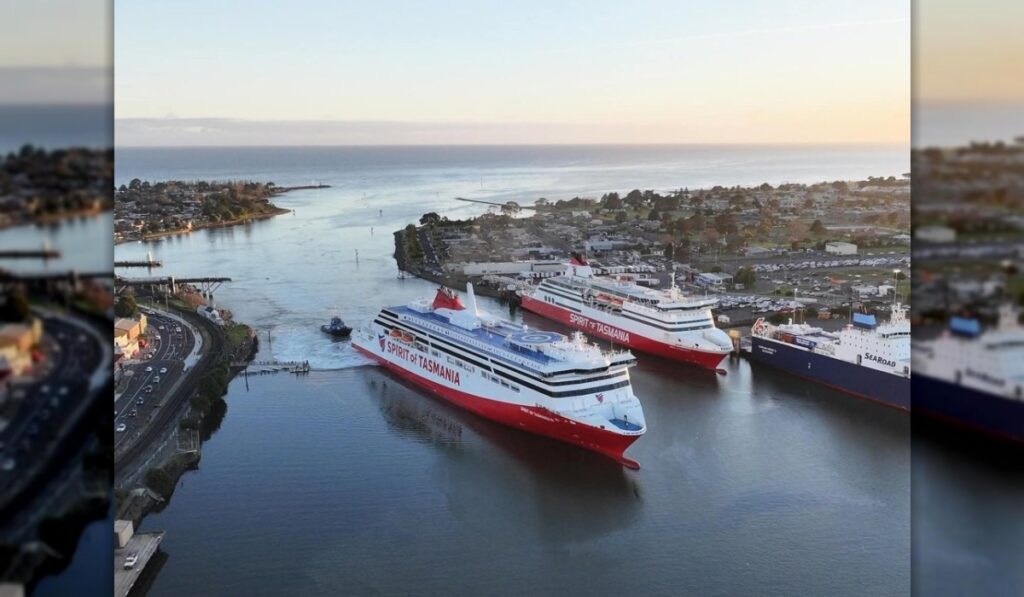
The Spirit of Tasmania IV, a 212-metre, 48,000-gross-ton ferry, has docked in Devonport after nearly a year stranded in Scotland, marking the end of Tasmania’s decade-long ferry replacement saga.
The vessel, built in Finland and delivered in September 2024, was forced to idle in Leith due to delays in constructing Devonport’s new Spirit Quay terminal. The berth, originally budgeted at A$90 million, ballooned to A$495 million, with weekly berthing costs in Scotland alone hitting A$47,000.
The Spirit Quay project, designed to nearly double Devonport’s terminal capacity, faced repeated setbacks. Construction began in 2022 but dragged on, leaving the Spirit of Tasmania IV mothballed for close to a year. TT-Line, the ferry operator, even explored leasing the vessel to a third party to offset costs.
The Tasmanian government, which funds TT-Line, has defended the expenditure as a necessary investment in the state’s transport future.
“The vessels were designed and built with Bass Strait in mind, featuring an enhanced hull design and large stabilizer fins to ensure optimal passenger comfort during their 242-kilometre voyage between Devonport and Geelong,” said Ken Kanofski, TT-TT-Line Chairman, in a statement.
The new ferries, capable of 26 knots, will replace the 1998-built Spirit I and II, which have reached the end of their operational lifespan. The original replacement order was placed with Germany’s Flensburger Schiffbau-Gesellschaft in 2018 but was later transferred to Finland’s Rauma Marine in 2021 after design changes. The shift in shipyards added further delays, as Rauma Marine had to adapt to the revised specifications, including modifications to improve fuel efficiency and passenger amenities.
(eliminar título): spirit of tasmania iv
The Devonport-Geelong crossing is a critical lifeline for Tasmania, facilitating the movement of goods, vehicles, and passengers between the island state and mainland Australia. The route supports Tasmania’s economy by enabling the export of agricultural products, seafood, and manufactured goods, while also ensuring the import of essential supplies. The 40% increase in freight capacity offered by the new ferries is expected to reduce bottlenecks, particularly during peak seasons when demand for space on the route surges.
For passengers, the new vessels promise a more comfortable experience. With a capacity of 1,800 passengers each, the Spirit of Tasmania IV and V will offer improved cabins, dining options, and entertainment facilities. The enhanced stabiliser fins, mentioned by Kanofski, are specifically designed to mitigate the rough conditions often encountered in the Bass Strait, a notoriously unpredictable stretch of water known for its strong winds and choppy seas.
The Tasmanian government has framed the ferry replacement as part of a broader strategy to modernise the state’s transport infrastructure. The project aligns with efforts to boost tourism, a key economic driver for Tasmania, by offering a more reliable and efficient service. However, the delays and cost overruns have tempered some of the optimism, with industry analysts warning that the benefits may take years to materialise fully.
What’s Next for Tasmania’s Ferry Fleet
Spirit of Tasmania IV’s sister ship, Spirit of Tasmania V, arrived in Australian waters in April 2025 and is undergoing final preparations. Both vessels are scheduled to begin service in October 2026, increasing freight capacity on the Devonport-Geelong route by 40%. The transition to the new ferries will involve a phased approach, with Spirit I and II gradually phased out over the coming months. Crew training and operational commissioning are currently underway, ensuring that the vessels meet all safety and regulatory standards before passenger service commences.
The Tasmanian government has hailed the arrival as a “game changer” for Bass Strait travel, though the project’s cost overruns and delays have drawn criticism. With the new terminal nearing completion, the focus now shifts to operational readiness and crew training. TT-Line has indicated that it will conduct a series of trial voyages to test the vessels’ performance in local conditions, with a particular emphasis on passenger safety and comfort.
For travellers and freight operators, the new service promises shorter transit times and greater reliability. The 26-knot operating speed of the new ferries will reduce the crossing time between Devonport and Geelong, while the increased capacity should alleviate the congestion that has plagued the route during peak periods. However, the long-term success of the project will depend on TT-Line’s ability to manage operational costs and maintain service quality.
Those interested in booking passages or freight services on the new ferries can monitor updates through TT-Line’s official website, where schedules and pricing details will be published in the coming weeks. The government has also committed to providing regular updates on the project’s progress, including any adjustments to the service commencement date.
“The vessels were designed and built with Bass Strait in mind, featuring an enhanced hull design and large stabilizer fins to ensure optimal passenger comfort during their 242-kilometre voyage between Devonport and Geelong.”
Ken Kanofski·TT-TT-Line Chairman
The new ferries, each with a 25-year lifespan, are expected to modernise Tasmania’s maritime transport, reducing reliance on ageing infrastructure and improving efficiency for both passengers and freight. The project’s completion will mark a significant milestone in Tasmania’s efforts to secure its transport future, though the lessons learned from the delays and cost overruns are likely to shape future infrastructure investments in the state.


Sign up free to ask CAMAL AI for a summary, the key points or anything else about this story.
Related stories
CAMAL AI
 Financial Ports Newsletter
The maritime economy, every morning
Ports, shipping and freight markets in one short email. Free.
Financial Ports Newsletter
The maritime economy, every morning
Ports, shipping and freight markets in one short email. Free.



