

Mundra Port’s 13-Day Strike Leaves 5,000 Containers Stranded
India’s largest container hub resumes operations after yard operators call off strike, but backlogs and delays persist.
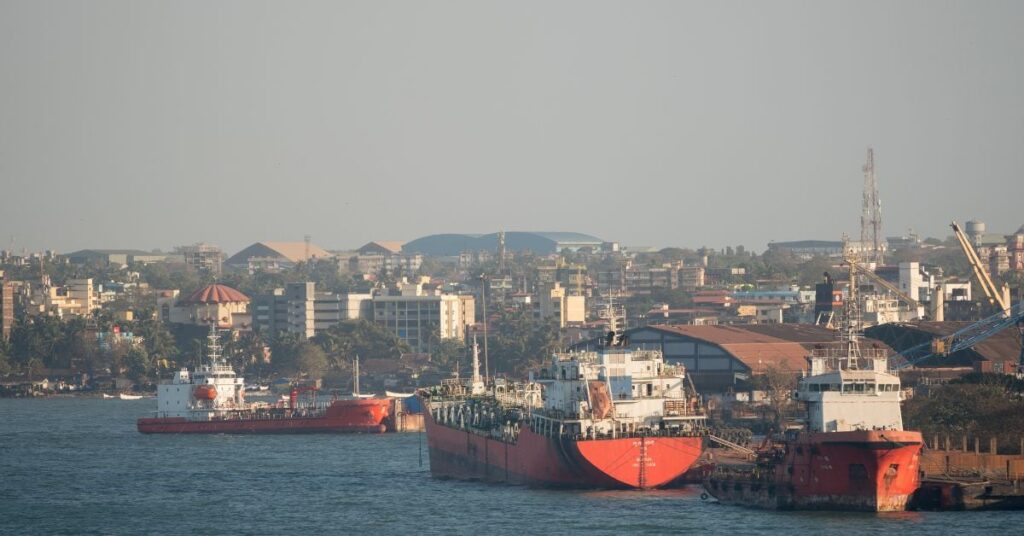
The strike, which began on August 28, 2024, paralysed empty-container movements, forcing major shipping lines like MSC, Hapag-Lloyd, ONE, and CMA CGM to warn customers of delays.
The strike was led by the Mundra Empty Container Yards & Allied Services Provider Association (MECYASA), which protested a new policy by Adani Ports and Special Economic Zone (APSEZ). The directive, set to take effect on September 1, 2024, restricted empty container storage to designated facilities within the port’s Special Economic Zone (SEZ), effectively sidelining independent yard operators outside the port. APSEZ argued the move would enhance security, reduce highway congestion, and cut truck turnaround times.
As the strike entered its second week, 1,500 truck transporters joined the protest, refusing to collect empty containers. The backlog quickly grew to 5,000 units, clogging the port’s premises and forcing shipping lines to issue alerts. Hapag-Lloyd, for instance, warned customers that empty container allotments for factory stuffing and gate-ins were suspended at affected yards, though Container Freight Station operations remained unaffected.
Hapag-Lloyd
What the Strike Reveals About India’s Port Dependence
APSEZ’s response to the crisis has been to accelerate plans for a dedicated facility within the port to manage storage, repairs, and inspections of empty containers.
The strike’s resolution on September 10 came after negotiations involving industry stakeholders and government officials.
Who Are the Key Players in Mundra’s Container Crisis?
The strike at Mundra Port was not just a labour dispute, it was a clash between two models of port management. On one side stands Adani Ports and Special Economic Zone (APSEZ), India’s largest private port operator and a subsidiary of the Adani Group, a conglomerate with interests spanning energy, logistics, and infrastructure.
APSEZ operates 13 ports and terminals across India, including Mundra, which it acquired in 2003. The company has been aggressively expanding its footprint, investing in automation, and pushing for greater efficiency in port operations. Its decision to restrict empty container storage to SEZ facilities reflects a broader strategy to streamline logistics and reduce reliance on third-party operators.
On the other side is the Mundra Empty Container Yards & Allied Services Provider Association (MECYASA), a collective of independent yard operators who have long played a crucial role in Mundra’s container ecosystem. These operators handle the storage, maintenance, and redistribution of empty containers, a service that keeps the port’s supply chain moving.
The new policy threatened to cut them out of the loop, prompting the strike. MECYASA’s members argue that their flexibility and local knowledge are essential to the port’s operations, particularly in managing the high volume of empty containers that pass through Mundra annually.
The strike also drew in 1,500 truck transporters, who rely on the port for their livelihoods. Their participation underscored the interconnected nature of India’s logistics sector, where disruptions at a single node can cascade across the entire supply chain. Major shipping lines like MSC, Hapag-Lloyd, ONE, and CMA CGM were forced to respond, issuing statements to customers about delays and adjusting schedules to mitigate the impact. For these carriers, Mundra’s importance as a transhipment hub means any disruption here affects routes across the Indian Ocean and beyond.
The strike at Mundra Port is more than a temporary disruption, it is a sign of the tensions shaping India’s port sector as it modernises. The country’s ports are under pressure to handle growing trade volumes, with container traffic expected to double in the next decade. Mundra, as India’s busiest container port, is at the forefront of this transformation, but its experience highlights the challenges of balancing efficiency with the needs of a diverse ecosystem of operators, transporters, and shipping lines.
For independent yard operators, the strike was a warning. APSEZ’s push to centralise empty container handling suggests that smaller players may face increasing competition from port authorities seeking to control more aspects of the supply chain.
This could lead to further consolidation in the sector, with larger operators absorbing smaller ones or port authorities taking on more direct roles in logistics services. For truck transporters and freight forwarders, the strike underscored the need for greater resilience in their operations, including diversifying their reliance on single ports or routes.
For global shipping lines, the strike was a reminder of the risks of over-reliance on a single port, even one as critical as Mundra. Carriers may now seek to diversify their transhipment hubs in India, spreading risk across multiple ports to avoid future disruptions.
The resolution of the strike does not mark the end of the debate. APSEZ’s plans to build a dedicated facility for empty containers signal a long-term shift in how Mundra, and potentially other Indian ports, will manage logistics. For yard operators, the fight to preserve their role in the supply chain is far from over. And for India’s trade partners, the strike serves as a cautionary tale about the fragility of even the most advanced logistics networks.
With operations now resumed, Mundra Port faces the immediate challenge of clearing the backlog of 5,000 empty containers and restoring normalcy to its supply chain. Truck queues and delays are expected to persist for several days as the port works through the congestion. For shipping lines, the focus will be on mitigating the impact on schedules and communicating with customers about potential delays.
In the longer term, the strike has set the stage for further changes at Mundra. APSEZ’s plans to build a dedicated facility for empty containers could reshape the port’s operations, potentially reducing costs and improving efficiency. However, the move may also lead to further tensions with independent operators, who could see their role diminished. Industry stakeholders will be watching closely to see how APSEZ balances its push for modernisation with the need to maintain a stable and collaborative ecosystem.
For India’s port sector as a whole, the strike at Mundra is a wake-up call. As trade volumes grow, the country’s ports will need to invest in infrastructure, technology, and redundancy to avoid similar disruptions. The government and port authorities may also need to revisit regulations to ensure that modernisation efforts do not come at the expense of smaller operators who play a vital role in the supply chain. One thing is clear: the future of India’s ports will be shaped by how well they can adapt to the demands of a rapidly evolving global trade landscape.


Sign up free to ask CAMAL AI for a summary, the key points or anything else about this story.
Related stories
CAMAL AI
 Financial Ports Newsletter
The maritime economy, every morning
Ports, shipping and freight markets in one short email. Free.
Financial Ports Newsletter
The maritime economy, every morning
Ports, shipping and freight markets in one short email. Free.



