

South Korea’s $1bn crude gamble: Why VLCCs are sailing 10,000 miles for oil
Seoul revives full freight subsidies for non-Middle Eastern crude, adding 10,000 nautical miles to Asia’s refining hub.
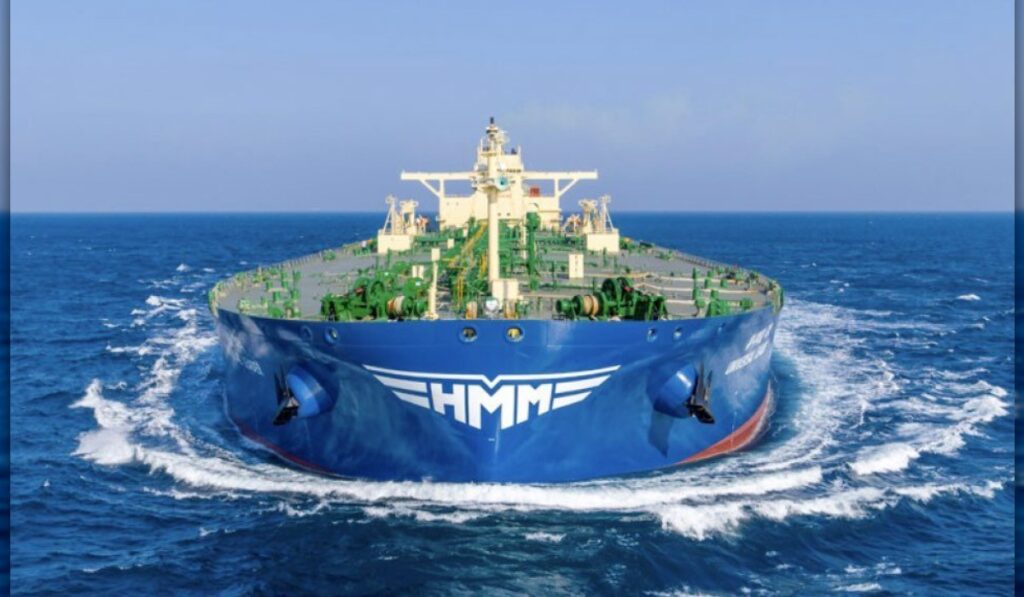
South Korea has reinstated financial support for long-distance crude oil imports from regions outside the Middle East, a decision aimed at reinforcing the country’s energy supply diversification. The move is expected to increase demand for oil tankers, particularly very large crude carriers (VLCCs), as refiners seek alternative sources amid geopolitical tensions.
The Ministry of Trade, Industry and Energy announced the expansion of subsidies to cover the additional freight costs refiners face when purchasing crude from non-Middle Eastern suppliers. This initiative revives a programme that previously ran from April to June, during which imports from the United States, Canada, Latin America, and Africa saw significant increases.
According to government data, the earlier subsidy scheme led to a sharp rise in crude imports from these regions. US crude purchases grew by 14.2% year-on-year, reaching 95.9 million barrels. Canadian imports surged by 160.8%, while Ecuadorian crude saw an extraordinary 422.1% increase. African crude purchases also rose by 156.7%, totaling nearly 26 million barrels.
Brent Crude
President Lee Jae Myung stated that South Korea has already reduced its reliance on Middle Eastern crude from approximately 70% to 50%, a shift partly attributed to earlier freight subsidies. The longer shipping routes required for crude from the US, Canada, and Africa contribute to higher tonne-mile demand, a key factor in the tanker shipping industry.
“South Korea had already reduced its dependence on Middle Eastern crude from around 70% to the 50% range, helped partly by subsidies for longer-distance transportation.”
Lee Jae Myung·President of South Korea
The government has also reactivated its strategic crude stock swap programme, which began on August 24. This scheme allows refiners to exchange government-held inventories for commercial stocks, providing additional flexibility in managing supply risks. Officials indicated the measure could be extended beyond October if necessary.
Impact on tanker demand and refining operations: South Korea
The revival of freight subsidies is likely to further tighten the VLCC market, as longer voyages from alternative supply regions increase tonne-mile demand. With vessel availability already limited, the additional shipping activity could support higher freight rates, benefiting tanker operators.
For South Korea’s refining sector, the subsidies offer a way to secure stable crude supplies while reducing exposure to Middle Eastern markets. However, the long-term effects will depend on whether refiners sustain their shift toward non-Middle Eastern sources and whether the government continues the subsidy programme beyond its initial phase.


Sign up free to ask CAMAL AI for a summary, the key points or anything else about this story.
Related stories
CAMAL AI
 Financial Ports Newsletter
The maritime economy, every morning
Ports, shipping and freight markets in one short email. Free.
Financial Ports Newsletter
The maritime economy, every morning
Ports, shipping and freight markets in one short email. Free.