
Somali piracy resurges: 14 pirates killed in Turkish-led ship rescue
A 10-day joint operation by Somali and Turkish forces freed the hijacked Lutuf.
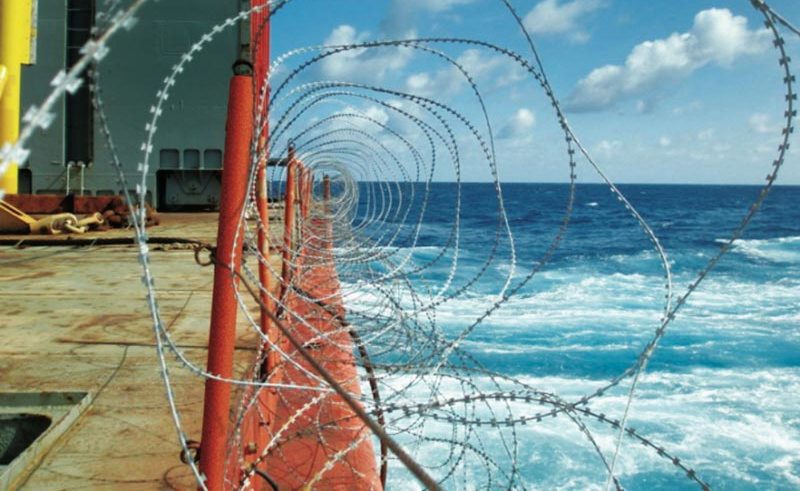
A joint operation by Turkish and Somali forces has successfully reclaimed the hijacked cargo vessel Lutuf, ending a two-week ordeal that left 14 suspected pirates dead. The 1,400-ton Cameroon-flagged ship was seized on August 17 approximately 4.5 nautical miles off Somalia’s northeastern coast near Jifle in the Nugaal region.
The rescue mission, which lasted 10 days, involved coordinated naval strikes that destroyed four pirate boats before the remaining attackers abandoned the vessel on August 31. All 10 crew members—six Indians, one Turk, one Georgian, and two Serbian security guards—were freed unharmed. The operation was conducted under the Somali-Turkish Task Force, a bilateral initiative established to combat piracy and terrorism in the region.
Disputed accounts of the rescue: somali piracy
While Somalia’s defense ministry described the operation as a military success, authorities in the semi-autonomous region of Puntland have contradicted this narrative. Puntland officials claim the pirates released the Lutuf after receiving a ransom, though no official confirmation of payment has been provided. Earlier reports suggested the pirates initially demanded $10 million before allegedly lowering their demand to $2 million.
The vessel, which had departed Türkiye in late July, was transporting supplies to Turkey’s TURKSOM military base in Mogadishu before its diversion to Tanzania’s Dar es Salaam was interrupted by the hijacking. According to MarineTraffic data, the ship resumed its journey after being secured by Somali authorities.
Piracy resurgence raises alarms
The Lutuf hijacking is the latest in a growing wave of pirate attacks off the Horn of Africa. The International Maritime Organization (IMO) has warned that six ships and more than 90 seafarers remain in pirate custody, with the Gulf of Aden increasingly labeled as a high-risk zone. Somali pirate groups have adapted their tactics, using captured fishing vessels and dhows as motherships to extend their reach into the Indian Ocean.
This resurgence mirrors the peak of Somali piracy in 2011, when attacks disrupted major shipping routes. In July, seven armed pirates hijacked the Tanzanian-flagged tanker MT Asana in the Gulf of Aden after it left Yemen’s Mukalla port. The vessel, carrying 20 crew members, was taken into Somali waters near Puntland, further highlighting the region’s instability.
The Somali-Turkish defense agreement, signed in 2024, includes provisions for Ankara to assist in building Somalia’s naval capacity. Under the pact, Türkiye is helping train and equip Somali forces to combat piracy and illegal fishing. The Lutuf rescue marks a tangible outcome of this cooperation, though the broader challenge of securing regional waters remains unresolved.


Sign up free to ask CAMAL AI for a summary, the key points or anything else about this story.
Related stories
CAMAL AI
 Financial Ports Newsletter
The maritime economy, every morning
Ports, shipping and freight markets in one short email. Free.
Financial Ports Newsletter
The maritime economy, every morning
Ports, shipping and freight markets in one short email. Free.