

Sea Machines Hires Ex-Foss Director to Build US Navy’s Unmanned Fleet
Courtney Bradbury takes charge of large-scale autonomous vessel programmes.
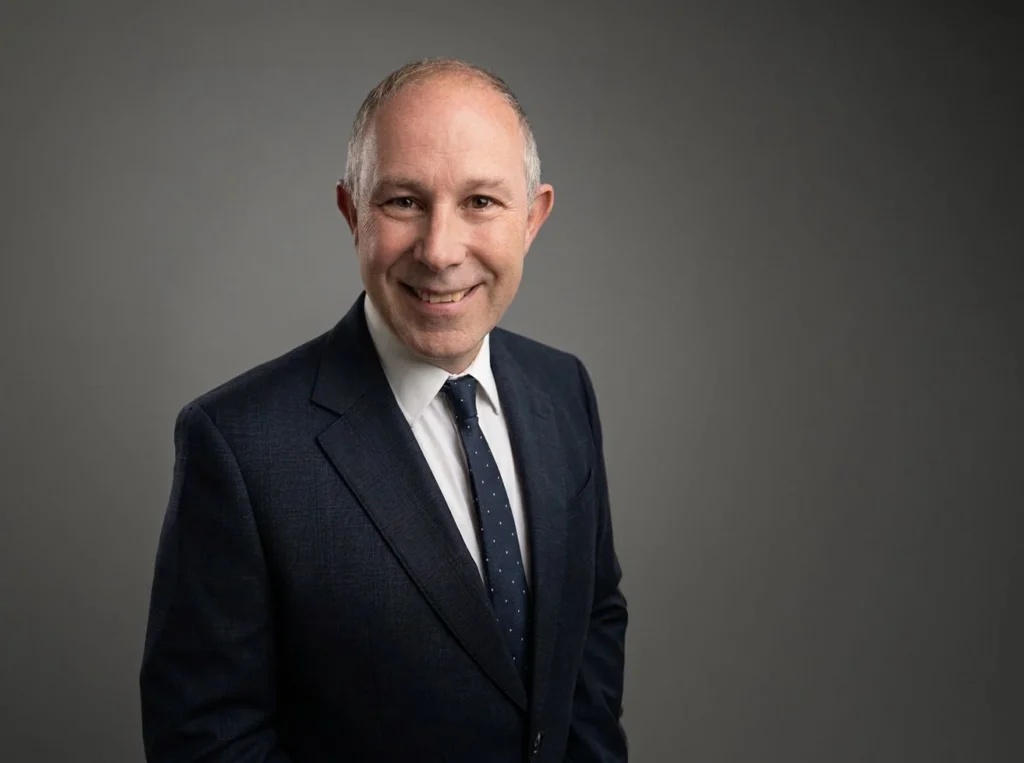
Sea Machines Robotics has appointed Courtney Bradbury as Vice President of Program Management, a newly created role aimed at accelerating the delivery of large-scale autonomous vessel programs. The move signals a strategic shift as the Boston-based company transitions from supplying autonomous systems to managing full vessel builds for commercial and defence fleets.
The appointment comes as demand for marine autonomy matures beyond early innovation, with budgeted fleet programs now driving growth. Bradbury, a registered Professional Engineer with an Unlimited Tonnage Mate’s License, will lead the expansion of a dedicated program management group, hiring marine and naval engineers, construction specialists, and project-focused personnel to meet the rising complexity of autonomous vessel projects.
Why the US Navy’s MUSV program is a game-changer for autonomy: Sea Machines
Sea Machines’ pivot aligns with the US Navy’s Medium Unmanned Surface Vessel (MUSV) program, a strategic initiative to rapidly deploy unmanned technologies using commercial solutions. In September 2026, the company was one of six firms to successfully complete the Navy’s most challenging marine autonomy test demonstration, advancing its position in the defence sector.
Michael G. Johnson, Founder and CEO of Sea Machines, emphasised the significance of Bradbury’s appointment:
“With the recent program awards of full autonomous vessel builds, it’s clear that we’ve successfully added prime contract management to our traditional business of technology development and autonomous product supply. Courtney uniquely brings the right combination of technical skills, construction management, dogged offshore experience, and marine wherewithal to create and lead this new group. And I trust that he’ll deliver success.”
Michael G. Johnson·Founder and CEO of Sea Machines Robotics
Sea Machines’ success in the MUSV program underscores the robustness of its autonomous systems, which have been integrated across a wide range of engine manufacturers and navigation systems, making them adaptable to diverse vessel types and use cases.
From systems to vessels: How Bradbury’s team will reshape shipbuilding
Bradbury’s role marks a critical evolution for Sea Machines. The company is transitioning from supplying autonomous systems to delivering fully integrated autonomous vessels, a shift that requires advanced shipbuilding techniques, supply chain management, and programmatic oversight. “Sea Machines is rapidly evolving from an autonomous system supplier to an autonomous vessel supplier,” Bradbury noted, highlighting the new department’s focus on executing large-scale vessel programs efficiently.
With a background in naval architecture and marine engineering from the State University of New York Maritime College, Bradbury brings a wealth of experience to the role. His career spans seafaring, vessel design, and offshore engineering program management, including a stint as Director of Development at Foss Maritime, where he led pioneering marine solutions.
His expertise in construction management and offshore operations positions him to address the unique challenges of autonomous vessel production, from regulatory compliance to logistical coordination. The implications of this shift extend beyond defence.
However, the company’s decade-long experience in marine autonomy, combined with its recent defence contracts, provides a strong foundation. As Johnson noted, “Michael’s vision for marine autonomy and the creation of Sea Machines more than a decade ago has given the company time to get over the learning curve.”
The next 12 months will be critical for Sea Machines as it scales its program management capabilities. With Bradbury at the helm, the company is poised to play a leading role in the transition from manned to unmanned fleets, both in defence and commercial sectors. For shipowners and operators, this evolution could redefine vessel design, crewing models, and operational strategies, ushering in a new era of maritime innovation.


Sign up free to ask CAMAL AI for a summary, the key points or anything else about this story.
Related stories
CAMAL AI
 Financial Ports Newsletter
The maritime economy, every morning
Ports, shipping and freight markets in one short email. Free.
Financial Ports Newsletter
The maritime economy, every morning
Ports, shipping and freight markets in one short email. Free.



