

76% Fewer Safety Deviations: How One Tanker Fleet Cut Risks with AI Eyes
Prime Tanker Management’s FleetVision platform slashes PPE, bridge and technical deviations by up to 76% in 60 days.
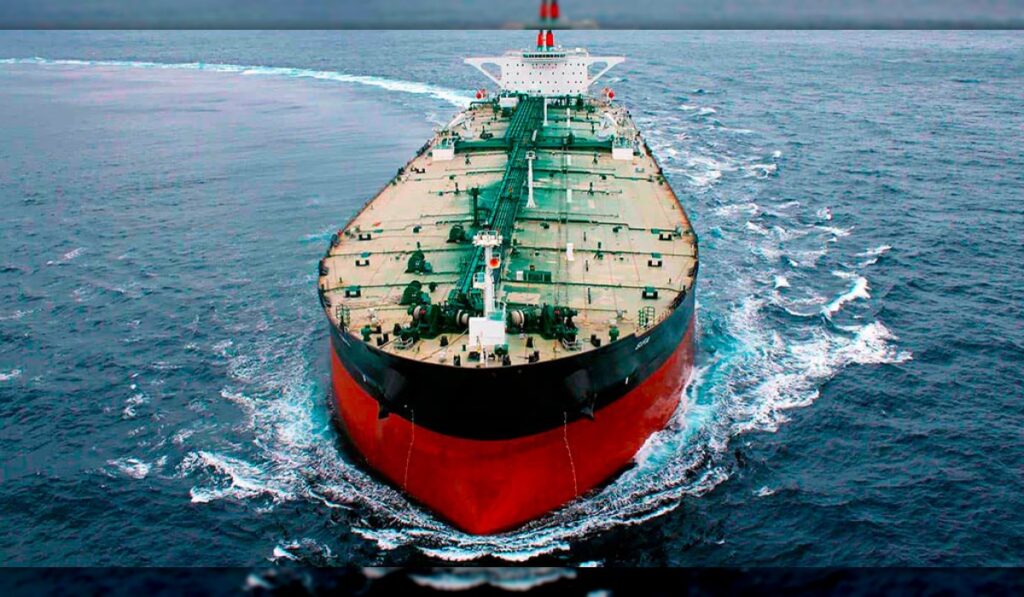
Prime Tanker Management has slashed safety deviations by up to 76% across its managed fleet after deploying ShipIn’s FleetVision™ platform, which provides continuous operational insight between traditional safety checkpoints.
Over a 60-day comparison period, the company recorded a 76% reduction in PPE-related deviations, a 51% drop in bridge-related deviations, and a 69% fall in technical deviations. Safety engagement also surged 3.4 times, with crews participating more actively in drills, toolbox talks, pre-shift meetings, and debriefs.
How FleetVision Transforms Onboard Safety Leadership
The FleetVision platform integrates onboard video, vessel systems, and operational data to give Masters and shore teams real-time visibility into daily operations. Unlike traditional audits and inspections, which occur at fixed intervals, FleetVision provides continuous monitoring, helping crews identify recurring risk patterns across bridge, safety, and technical activities.
The company’s commitment to safety is underpinned by its adherence to industry standards such as the TMSA (TMSA) framework, which sets benchmarks for operational excellence.
“FleetVision gives us greater visibility into how our established safety procedures are being applied during everyday operations,” he explained. “It gives the Master another tool to understand where attention is needed and reinforce the same safety expectations across vessels.".
“FleetVision gives us greater visibility into how our established safety procedures are being applied during everyday operations. It gives the Master another tool to engage directly with the crew, understand where attention is needed, and reinforce the same safety expectations across vessels. That helps us continuously improve and maintain a more consistent safety standard throughout the fleet.”
Marinos Syrigos·Deputy COO and DPA, Prime Tanker Management
The platform’s ability to provide objective, data-driven insights has also strengthened Prime’s engagement with oil majors and other stakeholders.
From Data to Action: How Continuous Insight Drives Fleetwide Improvement
Osher Perry, CEO and Co-Founder of ShipIn Systems, highlighted the broader industry potential. “Prime’s approach demonstrates the value of combining established safety procedures with continuous operational insight,” he said. “When that visibility is put in the hands of Masters and connected with shore teams, organisations can reinforce standards more consistently and focus attention where it can have the greatest impact.”
The FleetVision platform is designed to address the unique challenges of the shipping industry, where operational risks are compounded by factors such as crew rotation, remote operations, and the need for real-time decision-making.
The platform’s impact extends beyond individual vessels. Prime’s overall FleetVision Score improved from 82 to 94, reflecting stronger alignment with defined operational standards. This consistency has also strengthened the company’s wider assurance framework, including discussions with oil majors and TMSA assessments, by providing objective evidence of safety practices in action. For crews, the platform fosters a culture of accountability and continuous improvement, as deviations are addressed in real time rather than during periodic audits.
For the maritime industry, the adoption of AI-driven safety platforms like FleetVision signals a shift toward data-backed risk management. By bridging the gap between periodic audits and real-time operations, companies can address safety gaps before they escalate, reducing incidents, improving compliance, and ultimately protecting crews and cargo.
This shift is particularly relevant for tanker operators, where the stakes are high, and the margin for error is minimal. The ability to monitor and correct deviations in real time can mean the difference between a routine voyage and a catastrophic incident.
What does this mean for the wider maritime sector? For operators still relying on traditional safety checkpoints, the message is clear: continuous monitoring is no longer optional. As Prime’s results demonstrate, the integration of AI-driven platforms can deliver measurable improvements in safety performance, engagement, and compliance.
For crews, it means a safer working environment, where risks are identified and mitigated before they escalate. For stakeholders, it provides the assurance that safety protocols are being followed consistently, reducing the likelihood of incidents and associated liabilities.
With Prime’s FleetVision Score now at 94, the company has set a new benchmark for safety performance. The question for other tanker operators is whether they can afford to lag behind as the industry moves toward smarter, more proactive safety solutions. For those looking to adopt similar technologies, the first step is to engage with providers like ShipIn Systems to assess how platforms like FleetVision can be tailored to their specific operational needs.
As the maritime industry continues to evolve, the integration of AI-driven safety tools will likely become a standard practice, ensuring that crews, cargo, and companies remain protected in an increasingly complex operating environment.
For more information on how FleetVision can enhance safety and operational efficiency, operators can visit ShipIn Systems’ official website or contact Prime Tanker Management for insights into their implementation process.


Sign up free to ask CAMAL AI for a summary, the key points or anything else about this story.
Related stories
CAMAL AI
 Financial Ports Newsletter
The maritime economy, every morning
Ports, shipping and freight markets in one short email. Free.



