

Remote inspections cut maritime deaths by 70%
Bureau Veritas rolls out drone-enabled surveys to slash confined-space fatalities and voyage delays.
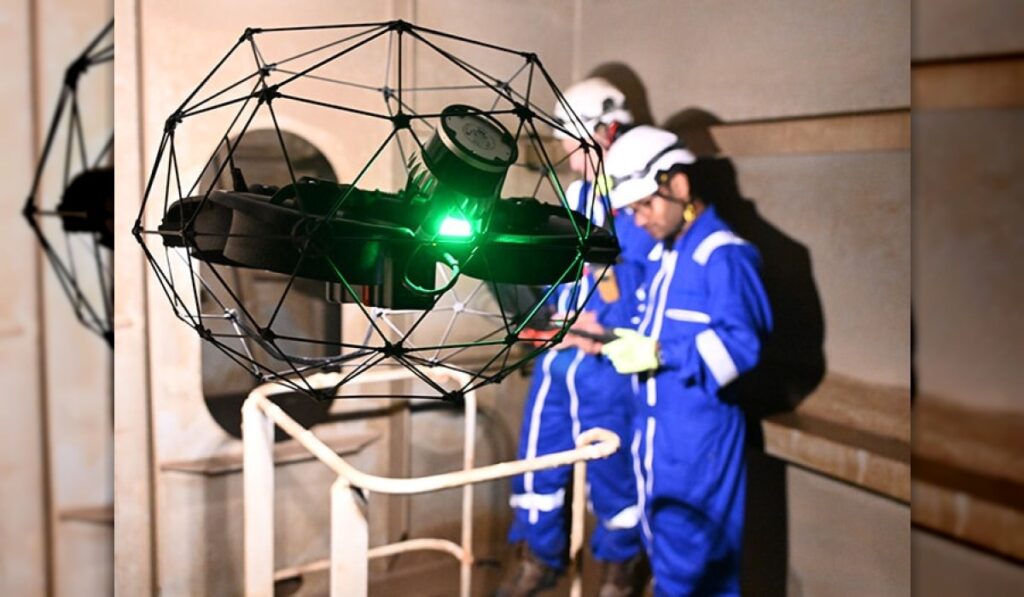
The Red Sea crisis has left nearly 6,000 seafarers stranded in the Persian Gulf, but another urgent threat looms beneath the surface: the persistent danger of confined-space inspections on ships. Since 2000, 1,010 maritime workers have died in enclosed spaces, with an average of 40 fatalities annually. Crew members account for 69% of these deaths, according to data from the International Bulk Terminals Association.
The ongoing conflict in the Middle East has disrupted maritime operations, creating a cascade of logistical challenges. Vessels rerouted around the Cape of Good Hope face 10 to 14 additional days at sea on Asia-Europe routes, increasing wear and tear on ships. Port delays have surged, and travel restrictions have left surveyors unable to reach vessels in high-risk areas. In this environment, remote inspection technologies have emerged as a critical solution when physical access is unsafe or impossible.
Remote inspections reduce risks in hazardous environments: remote inspection techniques
Confined spaces like ballast tanks and cargo holds present severe risks, including extreme heat, temperatures can exceed 50°C in the Middle East, and toxic gas buildup from bacterial activity. Traditional inspections require teams of up to seven people, including surveyors and crew, to enter these dangerous areas. However, remote inspection techniques now allow surveyors to assess structural integrity without exposing workers to unnecessary danger.
Using drones and AI-powered platforms, qualified surveyors capture high-resolution imagery of confined spaces. Advanced software then analyzes the data to detect corrosion, structural defects, and other anomalies. This approach eliminates the need for scaffolding and reduces preparation time, minimizing downtime, a crucial advantage as maintenance backlogs grow. Bureau Veritas, which has developed guidelines for remote inspection technologies (RIT), reports that these methods can cut confined-space entries by 60 to 70%, significantly lowering the risk of accidents.
A necessary shift for maritime safety
For shipowners, remote inspections offer clear benefits: reduced costs, faster compliance, and fewer operational disruptions. But the most significant impact may be on seafarers, who no longer need to enter life-threatening environments. As geopolitical tensions reshape global shipping routes, these technologies are no longer optional, they are essential for maintaining safety and efficiency.
The tools to make inspections safer already exist. The challenge now is whether the industry will adopt them quickly enough to address the growing risks in the world’s most volatile shipping lanes.


Sign up free to ask CAMAL AI for a summary, the key points or anything else about this story.
Related stories
CAMAL AI
 Financial Ports Newsletter
The maritime economy, every morning
Ports, shipping and freight markets in one short email. Free.



