

IMO Chief Warns: Risk Assessments Vital as Maritime Attacks Surge
Arsenio Dominguez urges operators to prioritise crew safety amid geopolitical threats and digital transformation at.
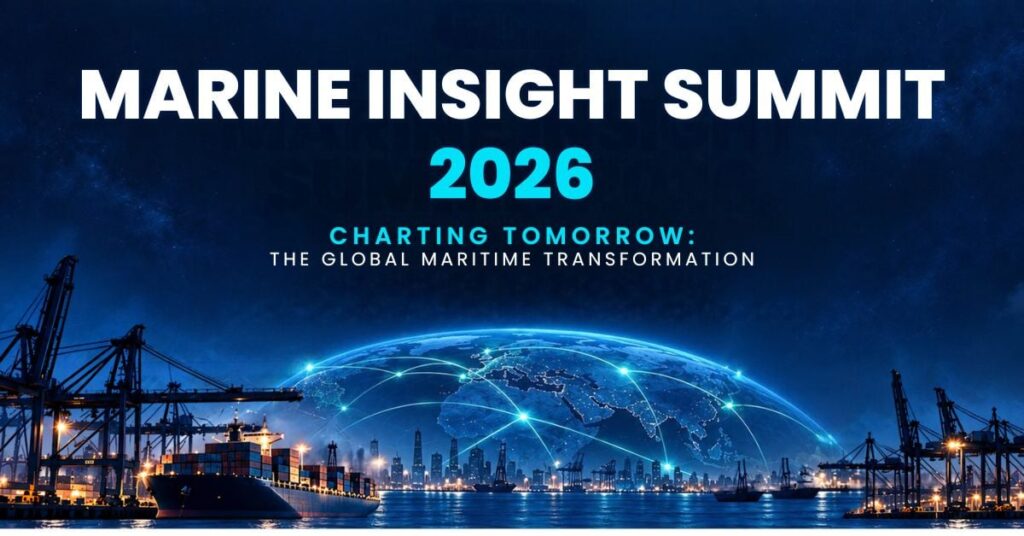
The International Maritime Organization (IMO) has issued a stark warning to ship operators, urging them to conduct rigorous risk assessments before vessels enter high-risk waters.
The summit, themed ‘Charting Tomorrow: The Global Maritime Transformation’, brought together thousands of professionals from more than 120 countries in a virtual event held on October 6 and 7, 2026. Dominguez’s opening address set the tone for the two-day gathering, which focused on pressing challenges facing the industry, from decarbonisation to digitalisation and seafarer welfare.
“Maritime is, above all, about people,” Dominguez stated, underscoring the human element at the core of the industry. The IMO chief did not mince words, calling on operators to weigh the risks carefully before permitting vessels to sail into unsafe zones.
The IMO’s priorities, as outlined by Dominguez, reflect a broader push toward modernising the sector.
Digitalisation also featured prominently in Dominguez’s address. The IMO’s digitalisation strategy seeks to streamline administrative processes, enhance data sharing, and improve operational efficiency across the maritime sector.
The Human Cost of Maritime Risks: Risk Assessments
Another cornerstone of the IMO’s agenda is the reform of the Standards of Training, Certification, and Watchkeeping (STCW) convention. The updates aim to equip seafarers with the skills needed to navigate an increasingly complex and technology-driven industry.
The summit was not merely a platform for high-level discussions; it also showcased tangible advancements in maritime technology and sustainability. Six key partners, FrontM, Azolla, OceanScore, INFYZ, Marine Pals, and Sea Squad AI, played pivotal roles in shaping the event’s agenda, each contributing expertise in areas ranging from emissions compliance to digital port operations.
FrontM, the summit’s Technology Partner, provided the OnShip platform, which powered all virtual sessions, networking lounges, and partner booths. FrontM CEO Kiran Venkatesh participated in the Maritime Financing panel, while CCO Punit Oza Oza moderated the flagship Giants of the Sea executive panel, which explored the future of global shipping.
Azolla, the Co-Co-Powering Partner, reinforced the summit’s focus on decarbonisation. The company’s maritime sustainability solutions have helped over 700 vessels remain energy-efficient and compliant with regulatory standards.
OceanScore, another Innovation Partner, highlighted its emissions-compliance software, which currently supports more than 2,200 vessels worldwide. OceanScore Managing Director Albrecht Grell noted that compliance is no longer optional but a necessity for operators seeking to avoid penalties and maintain market access.
Innovation and Collaboration at the Forefront
INFYZ, the Ports and Ports and Terminals Digitalization Partner, showcased its AI-powered terminal operations systems, which are live at more than 65 locations across 15 countries. The systems leverage artificial intelligence to optimise cargo handling, reduce turnaround times, and enhance safety in port environments. INFYZ CEO Srinivas Ramireddy presented on the Smart Ports panel, emphasising how digital tools can transform traditional port operations into efficient, data-driven hubs. The company’s solutions ultimately earned it the Maritime Innovation Excellence Award at the summit.
Marine Pals, serving as both Innovation Partner and Young Innovators Challenge Partner, brought a focus on education and training to the event. The company’s expertise in microlearning and virtual reality training was instrumental in evaluating entries for the Young Innovators Challenge, which attracted over 300 submissions from aspiring maritime professionals.
Representatives Cyril Philip and Capt. Leroy Sampi served as final judges, selecting six finalists and ultimately awarding the top prize to Eshwaran and Kishore. The winners received $1,500 in learning resources and personalised industry mentorship, providing a stepping stone for the next generation of maritime innovators.
The summit also featured seven panel discussions, each addressing a critical aspect of the industry’s future. Topics ranged from decarbonisation and maritime financing to the role of women in maritime and the impact of AI on seafarers. The Giants of the Sea panel, moderated by Punit Oza, brought together industry leaders to discuss the strategic vision needed to navigate the challenges ahead.
The Global Awards, a highlight of the summit, recognised excellence across eight categories. Winners were determined by a combination of expert jury votes (60%) and public industry votes (40%), ensuring a balanced assessment of achievements. Among the honourees were Ankeri Solutions, which won the Maritime Digitalisation Pioneer award, and AMET University, recognised as the Outstanding Maritime Training Institution. The awards underscored the industry’s commitment to innovation, sustainability, and education.
For attendees, the summit offered more than just discussions and awards. A free ebook titled Introduction to AI and Maritime was made available, providing insights into how artificial intelligence is reshaping the industry. The resource serves as a practical guide for professionals seeking to understand the applications of AI in shipping, from predictive maintenance to autonomous navigation.
The IMO’s call for risk assessments comes at a critical juncture for the maritime sector. With geopolitical tensions disrupting key shipping routes and environmental regulations tightening, operators face mounting pressure to adapt. Dominguez’s emphasis on seafarer safety is a reminder that behind every vessel, cargo, and transaction are people whose lives depend on the decisions made by industry leaders.
The development of the MASS Code is expected to accelerate in the coming months, with the IMO aiming to finalise guidelines by 2027. Meanwhile, the digitalisation strategy will likely see further implementation, with ports and shipping companies increasingly adopting AI-driven solutions to enhance efficiency and compliance. The STCW reforms, once approved, will set new benchmarks for seafarer training, ensuring that crews are prepared for the challenges of a rapidly evolving industry.
For shipowners and operators, the message from the summit is clear: innovation and collaboration are not optional but essential for survival. The tools and technologies showcased at the event, from emissions-compliance software to AI-powered terminal systems, offer practical solutions to the industry’s most pressing challenges. However, as Dominguez reminded attendees, technology alone is not enough. “Maritime is, above all, about people,” he said, a sentiment that must guide the sector’s transformation in the years ahead.
As the maritime industry charts its course toward a more sustainable and resilient future, events like the Marine Insight Summit serve as vital forums for dialogue, innovation, and action. The next summit, already anticipated for 2027, will no doubt build on this year’s momentum, offering fresh insights and solutions for an industry in flux.


Sign up free to ask CAMAL AI for a summary, the key points or anything else about this story.
Related stories
CAMAL AI
 Financial Ports Newsletter
The maritime economy, every morning
Ports, shipping and freight markets in one short email. Free.



