

Saudi Oil Exports Plummet as Red Sea Blockade Cuts 5 Mb/d
Houthi blockade and pipeline attacks force Saudi Arabia to shut down critical export routes.
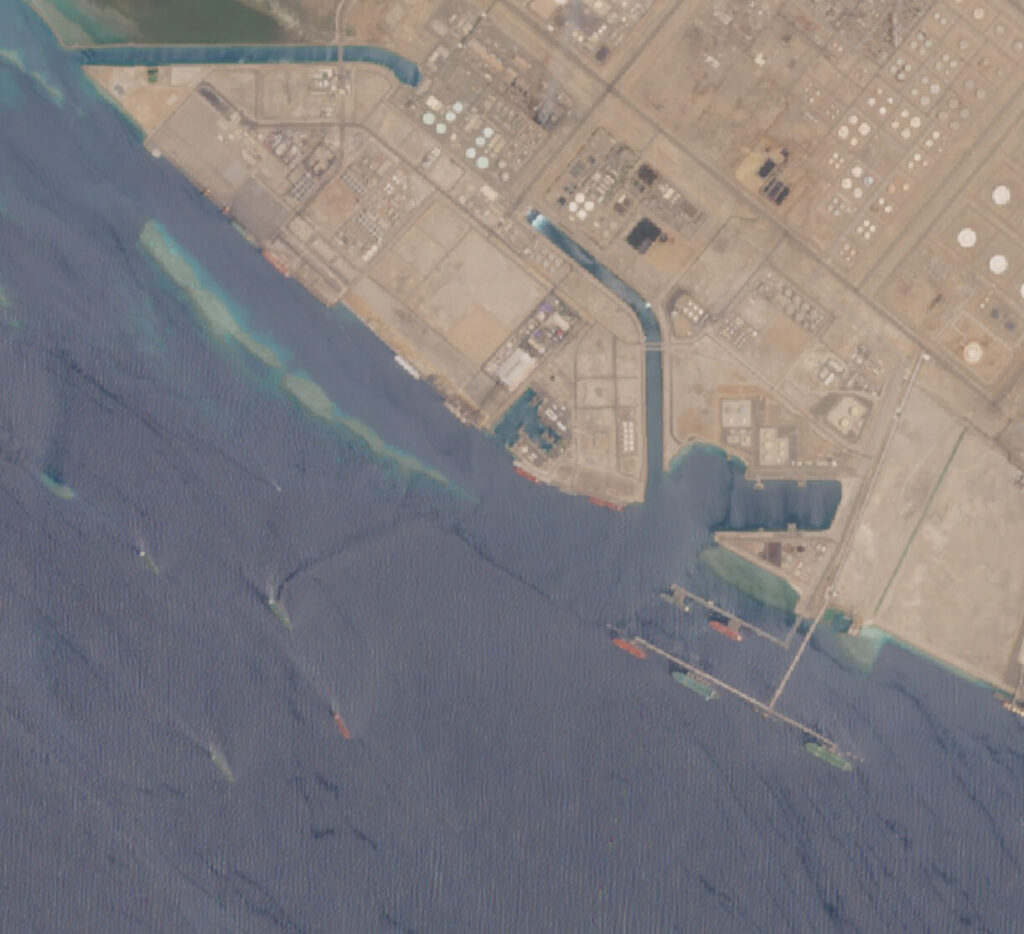
Saudi Arabia, long the stabilizing force within OPEC, is facing an unprecedented crisis that has disrupted its oil exports and sent shockwaves through global energy markets. The Kingdom, historically the world’s third-largest crude producer and holder of the second-largest proven reserves, has seen its energy infrastructure targeted amid escalating regional tensions.
The conflict between the U.S. and Iran has drawn Saudi Arabia into a precarious position. Though not a direct combatant, the Kingdom’s status as a U.S. ally has made its oil facilities and military sites prime targets for Iran and its proxies. The Strait of Hormuz, a critical chokepoint for Gulf exports, became too risky to navigate, forcing Saudi Arabia to rely on alternative routes.
The East-West Pipeline: A Critical Lifeline Severed: Red Sea
For months, the East-West pipeline served as Saudi Arabia’s workaround. Stretching 1,200 kilometers from the Persian Gulf to the Red Sea port of Yanbu, it carried up to 5 million barrels per day, allowing crude to bypass Hormuz and reach markets in Europe and Asia. But this route was not immune to threats. In July, Houthi rebels in Yemen imposed a Red Sea blockade, forcing tankers to detour through Egypt’s Suez Canal and the Sumed pipeline.
The pipeline’s strategic importance made it a target. Earlier this month, Iran-backed militias struck it with drones, forcing Saudi Aramco to shut it down. Officials warn that repairs could take several weeks, leaving the Kingdom with few options. With both Hormuz and the Red Sea now high-risk zones, Saudi Arabia has been forced to return to loading oil from its Gulf terminals—a move that exposes tankers to renewed threats.
Tanker Market Surges Amid Chaos
The disruptions have created a windfall for the tanker industry. Freight rates have soared to unprecedented levels, with Very Large Crude Carriers (VLCCs) in high demand as shipping routes become longer and more complex. Bahri, Saudi Arabia’s state-owned shipping giant and one of the world’s largest VLCC operators, has been stretched thin as it scrambles to reroute cargoes.
The current workaround—a VLCC shuttle service organized by the UAE to move oil from the Arabian Gulf to the Gulf of Oman—is a temporary fix. It requires more vessels, extends transit times, and still leaves tankers vulnerable to attacks. Even if the East-West pipeline is repaired soon, the underlying geopolitical tensions show no signs of easing.
The global oil market, already tight, can ill afford further disruptions. With no diplomatic or military solution in sight, the crisis is far from over. For now, the tanker market benefits from the chaos—but the risks continue to mount.


Sign up free to ask CAMAL AI for a summary, the key points or anything else about this story.
Related stories
CAMAL AI
 Financial Ports Newsletter
The maritime economy, every morning
Ports, shipping and freight markets in one short email. Free.
Financial Ports Newsletter
The maritime economy, every morning
Ports, shipping and freight markets in one short email. Free.



