

Oversized Cargo Boom: Ports Race to Handle Giant Wind Blades and Generators
Ports from Baltimore to Galveston invest millions to handle unwieldy energy components.
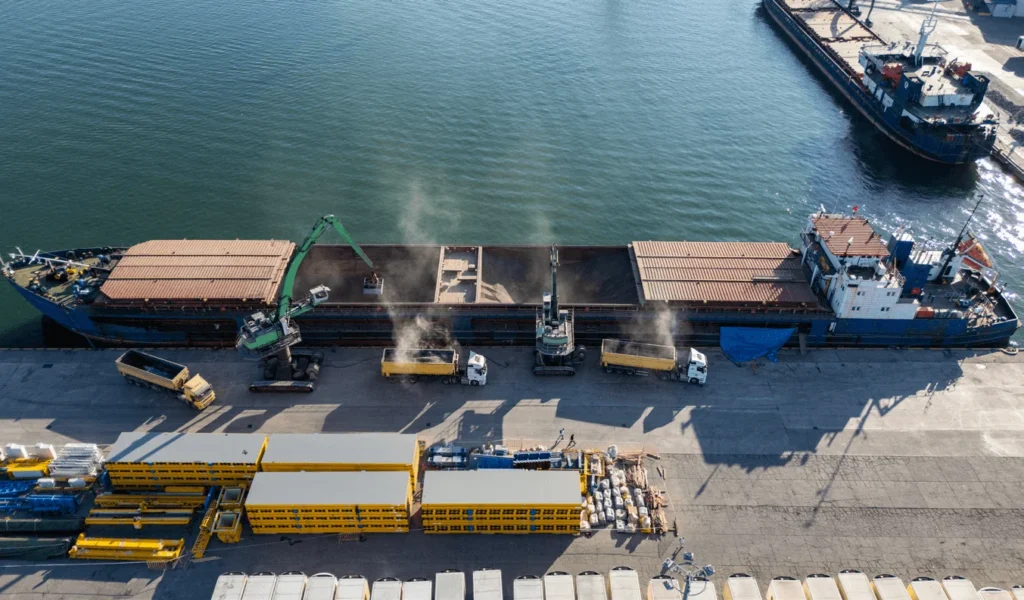
The global shift toward clean energy and the expansion of industrial projects are reshaping U.S. East Coast ports, as demand for oversized and specialized cargo surges. Components like offshore wind turbine blades, gas generators, and power transformers—too large for standard shipping containers—require ports to invest in heavy-lift infrastructure and expert handling.
At the Port of Baltimore, breakbulk and project cargo volumes have jumped 31% year-to-date compared to 2025, according to Richard Scher, Director of Communications for the Maryland Port Administration. The port’s two heavylift cranes, each capable of lifting 200 tons, handle a diverse range of cargo, including wind energy components, subway cars, and yachts. Scher noted that Baltimore is set to manage another heat recovery steam generator project later this summer, underscoring its role in energy infrastructure.
The port’s strategic location—closest to the Midwest among East Coast ports—offers direct rail connections and easy access to Interstates 95 and 70, making it a key hub for inland distribution.
Wallenius Wilhelmsen
Ports Adapt to Meet Growing Demand: Oversized Cargo
Meanwhile, Carver Companies, operating at the Port of Coeymans on the Hudson River, has expanded its capabilities to meet the needs of complex projects. Stephen Kelly, the company’s President of Sales & Business Development, highlighted the challenges: “Modern energy and industrial projects demand more than just a crane and a dock. They require specialized equipment, waterfront facilities, and experienced teams to handle oversized cargo safely.”
Carver’s integrated approach combines port operations, stevedoring, marine transportation, and project staging under one roof, allowing it to adapt to fluctuating market conditions. Kelly noted that while long-term demand remains strong, factors like ocean freight rates and shipping costs can influence customers’ decisions on timing and volume.
Infrastructure Investments Drive Growth
The Port of Galveston recently completed a $106 million expansion, adding a 1,410-foot berth at Piers 39-40 and nearly 30 acres of cargo-handling space. The project, the port’s first major cargo investment in decades, aims to accommodate larger roll-on/roll-off and breakbulk shipments while creating hundreds of jobs.
“This expansion, driven by tenant demand, positions Galveston for significant cargo growth and economic benefits,” said Rodger Rees, Port Director & CEO. The new berth welcomed its first vessel—a Wallenius Wilhelmsen roll-on/roll-off car carrier—on July 2, marking a milestone in the port’s modernization efforts.
As ports continue to upgrade, the ability to handle oversized cargo efficiently will remain critical to supporting the clean energy transition and industrial expansion across the U.S.


Sign up free to ask CAMAL AI for a summary, the key points or anything else about this story.
Related stories
CAMAL AI
 Financial Ports Newsletter
The maritime economy, every morning
Ports, shipping and freight markets in one short email. Free.
Financial Ports Newsletter
The maritime economy, every morning
Ports, shipping and freight markets in one short email. Free.