

Niche shipping firms poised for comeback as global trade fractures
Regionalisation and geopolitical turmoil create openings for specialised operators in fragmented markets
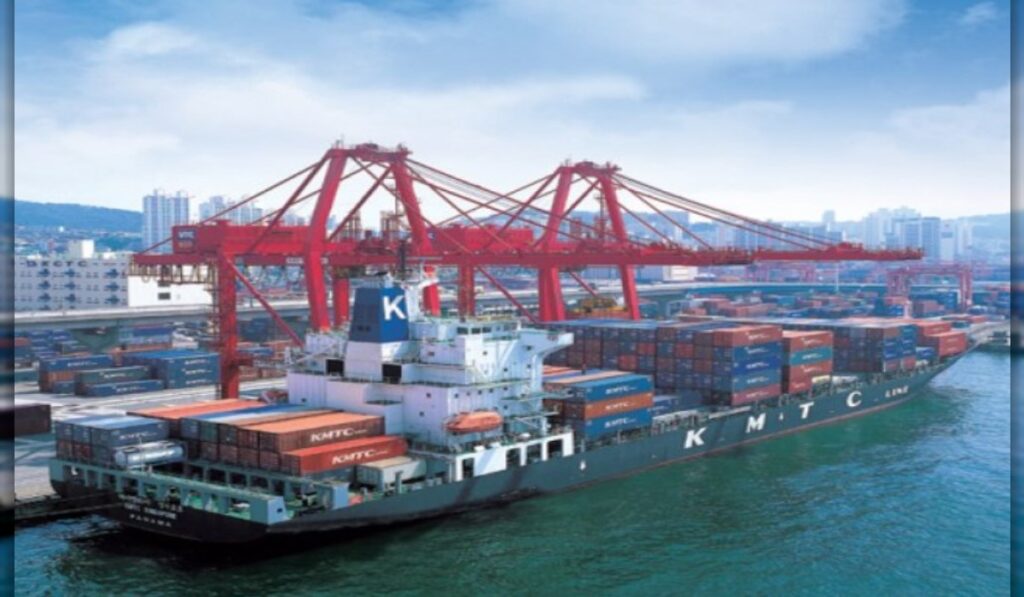
The era of one-size-fits-all shipping is ending as geopolitical fractures force cargo owners to rethink supply chains. Niche operators, long sidelined by global giants, are now poised to reclaim market share by offering the agility and local expertise that standardised mega-carriers cannot match.
The seismic shift stems from a collapse in the predictability that once underpinned global trade. For decades, shipping thrived on the assumption that deeper economic integration would yield ever-greater efficiencies through standardisation. Containerisation, massive fleets and economies of scale turned maritime transport into the backbone of globalisation, with a handful of conglomerates dominating the industry. Smaller players, unable to compete on volume, gradually faded into irrelevance.
Yet the rules of the game have changed. Trade tensions, sanctions, regional conflicts and the weaponisation of economic policy have made global supply chains far less reliable. Routes that once seemed permanent, such as transpacific lanes or Europe-Asia corridors, can suddenly become commercially or politically untenable. In this environment, the ability to pivot quickly, switching ports, reconfiguring cargo or adapting vessels, has become a competitive advantage.
Why flexibility now trumps scale: niche shipping
The paradox is stark: the same standardisation that propelled global shipping giants to dominance has become a liability in a fragmented world. Large operators excel at moving vast quantities of cargo along predictable routes, but they struggle when markets demand bespoke solutions. Customers increasingly need alternative routes, specialised tonnage, or short-notice capacity for smaller parcels, services that fall outside the standard playbook of mega-carriers.
Niche operators, by contrast, thrive in this environment. Their leaner structures and closer customer relationships allow them to make decisions rapidly and tailor operations to specific trades or regions. A specialised carrier with deep knowledge of a particular cargo, whether perishable goods, hazardous materials or oversized equipment, can pivot faster than a global behemoth weighed down by bureaucracy and rigid networks. In a market where responsiveness matters more than sheer size, flexibility has become a form of scale.
Local expertise is another critical asset. As geopolitical sands shift, understanding regional regulations, port restrictions and trade dynamics can mean the difference between smooth operations and costly delays. Niche firms, often embedded in specific markets, are better positioned to navigate these complexities than global players reliant on centralised decision-making.
AI and adaptability: the new battleground
The resurgence of niche shipping is not just about size, it’s about adaptability. The most successful operators will be those that can leverage technology to stay ahead of rapidly changing cargo needs. Artificial intelligence and advanced IT systems are becoming indispensable tools for managing complex, dynamic supply chains. While large carriers may eventually develop similar capabilities, their sheer scale can slow adoption, eroding the very economies of scale that once gave them an edge.
This technological shift levels the playing field. A smaller operator with a cutting-edge AI-driven management system can outmanoeuvre a larger rival burdened by legacy infrastructure. The coming cycle may see a wave of innovation from regional players, specialised vessel owners and entrepreneurial firms that can combine local knowledge with digital agility.
That said, global carriers are not about to disappear. Scale still matters in commoditised, high-volume trades where cost efficiency remains paramount. The future of shipping is likely to be a hybrid model: mega-carriers dominating the most predictable routes, while niche operators carve out profitable segments in fragmented, high-complexity markets. The winners will be those who can strike the right balance between standardisation and specialisation, delivering the best of both worlds in an era of uncertainty.
For cargo owners, the message is clear: resilience and security now outweigh pure cost savings. The shift toward regionalisation, nearshoring and multi-regional sourcing will create new opportunities for shipping’s niche players, proving that in a fractured world, smaller can be smarter.


Sign up free to ask CAMAL AI for a summary, the key points or anything else about this story.
Related stories
CAMAL AI
 Financial Ports Newsletter
The maritime economy, every morning
Ports, shipping and freight markets in one short email. Free.
Financial Ports Newsletter
The maritime economy, every morning
Ports, shipping and freight markets in one short email. Free.



