

22,000 m³ LNG Bunkering Vessel: Why Shipowners Are Watching Hanwha’s
Hanwha Power secures ABS approval for a 22,000-cubic-meter LNG-ammonia bunkering vessel with hybrid propulsion.
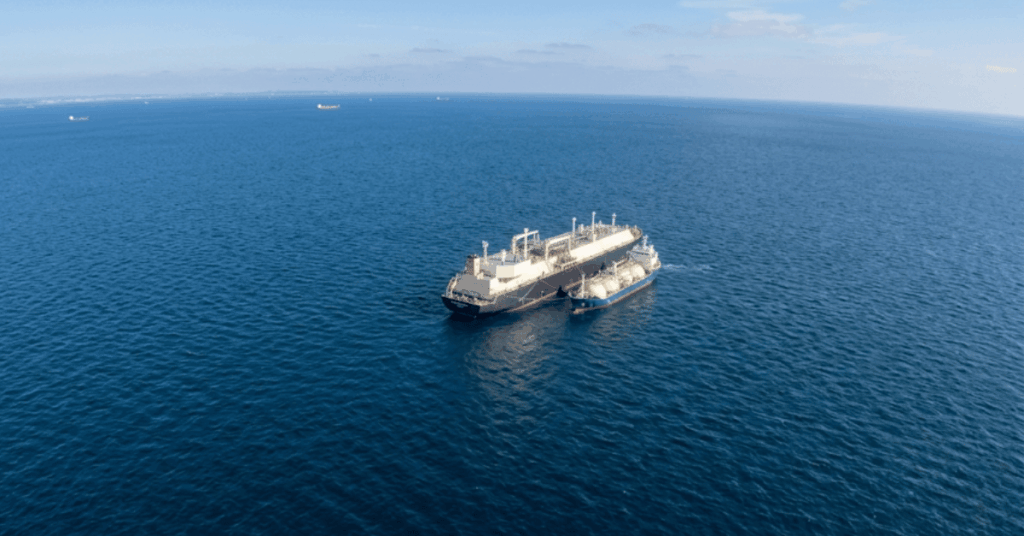
A 22,000-cubic-meter LNG bunkering vessel concept, capable of carrying both LNG and ammonia, has received approval in principle (AiP) from the American Bureau of Shipping (ABS), marking a significant step in the transition to sustainable marine fuels. Hanwha Power unveiled the design at Gastech 2024 in Bangkok, where the company showcased its expanding portfolio of eco-friendly maritime solutions.
The vessel, which also features a hybrid electric propulsion system, is designed to minimise harmful emissions during operations in coastal waters. Its dual-cargo capability allows it to transport both LNG and ammonia, positioning it as a bridge solution for shipowners preparing for the shift to alternative fuels. The design incorporates high-manganese steel cargo containment technology, known as Mc-C, which enables future adaptations with minimal modifications.
Why This Vessel Stands Out in the LNG Bunkering Market: lng bunkering vessel
The 22,000-cubic-meter capacity of the new vessel is a notable upgrade from Hanwha Power’s existing range, which previously topped out at 7,500 cubic meters. This expansion reflects growing demand for larger-scale bunkering solutions as the maritime industry seeks to comply with stricter emissions regulations. The vessel’s ability to handle both LNG and ammonia, considered a key next-generation bridge fuel, provides shipowners with greater flexibility as they navigate the transition away from traditional marine fuels.
Natural Gas
The hybrid propulsion system is another critical feature. By integrating an onshore power supply (OPS) and an energy storage system (ESS), the vessel can reduce emissions while berthed or operating in coastal areas. This aligns with global efforts to decarbonise port operations and improve air quality in densely populated maritime hubs. The system also enhances operational efficiency, potentially lowering fuel costs for operators.
Hanwha Power has incorporated several of the Hanwha Group’s core technologies into the design, including dual-fuel generator sets, electrical power system integration, and an integrated automation system. These components are part of the company’s broader strategy to offer integrated engineering and procurement (EP) packages, which streamline the construction and outfitting of eco-friendly vessels. The inclusion of these technologies is expected to improve the vessel’s competitiveness in a market increasingly focused on sustainability and long-term cost efficiency.
What This Approval Means for the Future of LNG Bunkering
The AiP from ABS is a key milestone, as it validates the vessel’s compliance with industry safety and technical standards. For Hanwha Power, the approval reinforces its position as a leader in the development of eco-friendly maritime solutions. The company’s Marine Solution Business Division Head, Hoon-min Kim, emphasised the significance of the achievement, stating.
“This ABS AiP marks another important milestone demonstrating Hanwha Power’s technological reliability and commercial viability in the global eco-friendly vessel market. Building on the Hanwha Group’s differentiated clean-technology capabilities, we will continue to provide global shipowners with optimized integrated solutions for the transition to more sustainable marine transportation.”
Hoon-min Kim·Head of Hanwha Power’s Marine Solution Business Division
The vessel’s design also addresses the operational challenges of bunkering vessels, which often spend extended periods in coastal waters. The hybrid propulsion system is particularly suited to these conditions, offering a balance between emissions reduction and operational performance. Additionally, the use of high-manganese steel in the cargo containment system provides a cost-effective alternative to traditional materials, further enhancing the vessel’s appeal to shipowners.
Hanwha Power’s announcement comes at a time when the maritime industry is under increasing pressure to reduce its environmental footprint. The International Maritime Organization (IMO) has set ambitious targets for cutting greenhouse gas emissions, and the adoption of alternative fuels like LNG and ammonia is seen as a critical step toward achieving these goals. The 22,000-cubic-meter vessel is poised to play a role in this transition, offering a scalable solution for bunkering operations in major ports worldwide.
With the AiP secured, Hanwha Power is now positioned to move forward with commercialisation efforts. The company’s integrated EP package, which covers both engineering and procurement, is expected to attract interest from shipowners looking to future-proof their fleets. As the maritime industry continues to evolve, innovations like this vessel concept will be essential in shaping the next generation of sustainable shipping.


Sign up free to ask CAMAL AI for a summary, the key points or anything else about this story.
Related stories
CAMAL AI
 Financial Ports Newsletter
The maritime economy, every morning
Ports, shipping and freight markets in one short email. Free.
Financial Ports Newsletter
The maritime economy, every morning
Ports, shipping and freight markets in one short email. Free.