

$8.2bn Texas LNG port approved: US export capacity to jump 9%
The $8.2 billion offshore facility will add 8.4 million tonnes per annum to US LNG exports by 2029
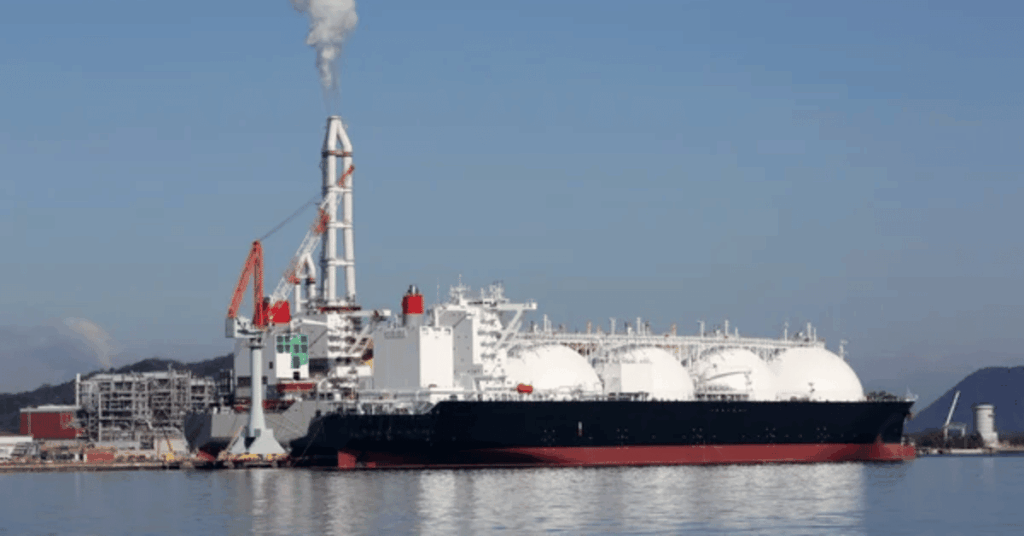
The U.S. Maritime Administration has greenlit an $8.2 billion offshore liquefied natural gas terminal near Matagorda, Texas, a project poised to expand the nation’s LNG export capacity by up to 9% while generating thousands of jobs in the region.
The ST LNG deepwater port, situated 10.4 miles off the Texas coast in federal waters, will be equipped with four liquefaction systems, each capable of processing 2.1 million tonnes annually. Once fully operational in 2029, the facility will include 20 platforms, four floating storage units for LNG, four mooring systems, and 7.7 miles of pipeline. Construction is scheduled to begin in 2027.
Economic and employment benefits: lng export capacity
The project is expected to create 2,000 construction jobs during its development phase, along with 855 permanent positions once the port is operational. U.S. Transportation Secretary Sean P. Duffy framed the approval as a major economic victory for Texas, tying it to President Trump’s executive orders aimed at bolstering energy production and maritime leadership.
Natural Gas
“By cutting bureaucratic delays and updating licensing procedures, the Trump Administration is delivering a transformative economic opportunity for Texas. This initiative will unlock American energy potential, ensuring sustained demand for Texas’ natural gas resources and the workers who produce them. The construction of this cutting-edge port will also generate thousands of jobs in the Gulf and solidify the U.S. as the world’s leading energy exporter.”
Sean P. Duffy·U.S. Transportation Secretary
MARAD Administrator Stephen M. Carmel noted that this is the third deepwater port license approved under the current administration, emphasizing the streamlined regulatory process. “This approval demonstrates our ability to fast-track critical energy infrastructure safely, strengthening supply chains and helping to lower energy costs,” he stated.
Infrastructure and safety improvements
The offshore location of the port is designed to alleviate congestion in onshore shipping lanes, reducing the risk of vessel collisions. Natural gas for the facility will be sourced from the Tres Palacios Natural Gas Storage and Trading Hub and the Williams Markham Gas Processing Plant, transported via an existing Transco pipeline roughly 5.6 miles northeast of the site.
The project’s environmental review was completed in just 410 days, a significant reduction from the previous five-year timeline for similar assessments.


Sign up free to ask CAMAL AI for a summary, the key points or anything else about this story.
Related stories
CAMAL AI
 Financial Ports Newsletter
The maritime economy, every morning
Ports, shipping and freight markets in one short email. Free.



