

Lake Tanganyika Tragedy: 41 Dead as Overloaded Boat Sinks in Congo
Search continues for missing passengers after vessel capsized near Mapera village with around 100 people on board.
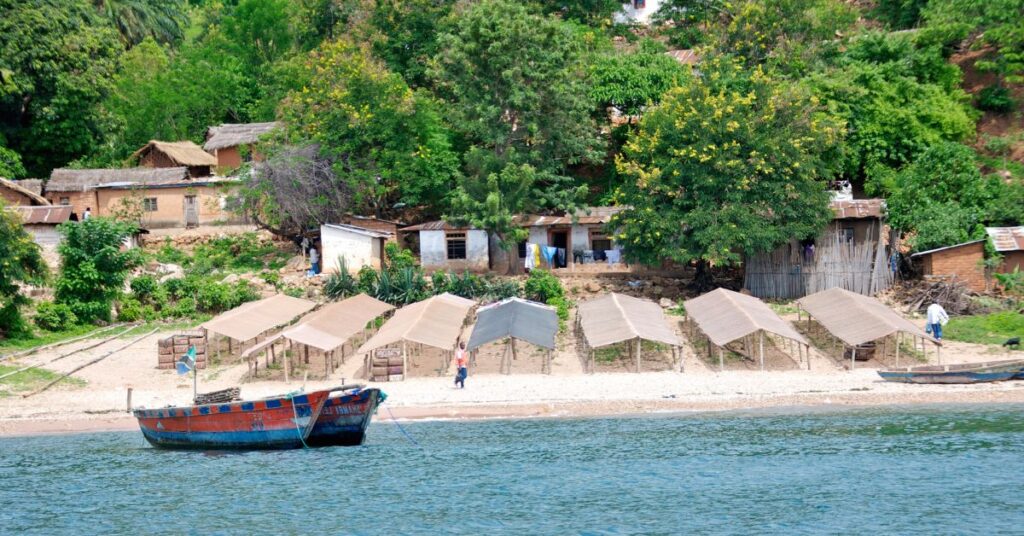
The vessel, which departed from Kigoma Port in Tanzania, was en route to Kalemie when it sank near Mapira village in the early hours of Thursday.
Norris Mulongoyi, Minister of Transport for Tanganyika province, confirmed the casualty figures and stated that the search for missing individuals continues. “49 people were saved, 41 have died in the disaster, and the search remains ongoing for the missing individuals,” Mulongoyi said. The vessel, which was also carrying cargo, reportedly began tilting dangerously around 1:00 a.m., catching passengers off guard as they slept.
Annie Moyoni, one of the survivors, recounted the harrowing moments leading up to the disaster. “Everyone was sleeping when they suddenly woke up at around 1 a.m., only to find the vessel dangerously tilting to one side,” she told Radio Okapi. Moyoni described a scene of panic as passengers scrambled in the dark, with the boat sinking rapidly. The exact cause of the capsizing remains under investigation, but overloading and insufficient safety measures are suspected factors.
With a population of over 100 million, the country’s waterways serve as vital arteries for commerce and travel, but safety regulations are rarely enforced.
Survivor Describes Chaos as Boat Capsized: Lake Tanganyika
The incident, which occurred just weeks before the Lake Tanganyika capsizing, underscored the urgent need for vessel inspections and crew training.
For passengers and freight operators, the risks are compounded by the lack of alternatives. The Kigoma-Kalemie route, a key corridor connecting Tanzania and the DRC, sees heavy traffic from traders, migrants, and commuters. Yet, without safer vessels or stricter enforcement of passenger limits, tragedies like Thursday’s capsizing are likely to recur.
However, for many, particularly those in remote areas with no road access, water transport remains the only viable option. This reality leaves passengers with an impossible choice: risk their lives on unsafe vessels or forgo essential travel altogether.
The latest disaster has reignited calls for international intervention. Humanitarian organisations and maritime safety advocates have urged the IMO to prioritise the DRC in its capacity-building programmes, focusing on training for local authorities, vessel inspections, and the provision of life-saving equipment. The African Union has also been called upon to coordinate regional efforts to improve safety standards on shared waterways like Lake Tanganyika, which borders four nations.
Recurring Disasters Highlight Systemic Safety Failures
For now, the immediate priority remains the search for survivors. Local authorities, supported by emergency response teams, are continuing operations in the waters near Mapira village. The full scale of the tragedy may not be known until all missing individuals are accounted for, but the incident has once again laid bare the dire state of maritime safety in the DRC. Without urgent reforms, the country’s waterways will continue to claim lives, undermining both economic development and the trust of those who depend on them.
The capsizing of the vessel on Lake Tanganyika is not just a tragedy, it is a stark reminder of the risks faced by millions who rely on Congo’s waterways for their livelihoods. For traders transporting goods between Kigoma and Kalemie, the disaster could disrupt supply chains, leading to shortages of essential commodities like fuel, food, and medical supplies. The route is a critical link for cross-border trade, and any prolonged suspension of ferry services could have ripple effects on local economies.
Passengers planning to travel on Lake Tanganyika are advised to take several precautions. Before boarding, they should verify the vessel’s condition, ensure life jackets are available and functional, and avoid overcrowded boats. If possible, travellers should opt for vessels operated by reputable companies with a track record of safety compliance.
However, given the limited oversight, even these measures may not guarantee protection. The DRC’s Ministry of Transport has not yet published a list of certified operators, leaving passengers to rely on word-of-mouth recommendations or visual inspections.
For those with no alternative but to travel by boat, the following steps can reduce risk.
- Check the weather forecast and avoid travelling during storms or high winds.
- Ensure the vessel has a working radio or satellite phone for emergencies.
- Carry a personal flotation device, even if the boat does not provide one.
- Sit near an exit and familiarise yourself with the boat’s layout.
- Report overcrowding or unsafe conditions to local authorities before departure.
In the longer term, passengers and traders can advocate for change by demanding accountability from transport operators and government agencies. Social media campaigns, petitions, and engagement with local leaders can pressure authorities to enforce safety regulations and invest in modernising the fleet. Until then, the waters of Lake Tanganyika will remain a high-risk route for those with no other choice.
The search for survivors from the capsized vessel is expected to continue in the coming days, with local authorities coordinating efforts alongside emergency response teams. For now, however, the focus remains on accounting for the missing and preventing further loss of life on Congo’s perilous waterways.


Sign up free to ask CAMAL AI for a summary, the key points or anything else about this story.
Related stories
CAMAL AI
 Financial Ports Newsletter
The maritime economy, every morning
Ports, shipping and freight markets in one short email. Free.
Financial Ports Newsletter
The maritime economy, every morning
Ports, shipping and freight markets in one short email. Free.



