

Bulker Freed After Week Aground: Why Gladstone’s Port Faces Delays
The 182,066 dwt Cape Falcon refloated on high tide, but investigations and detentions threaten Gladstone’s dry bulk.
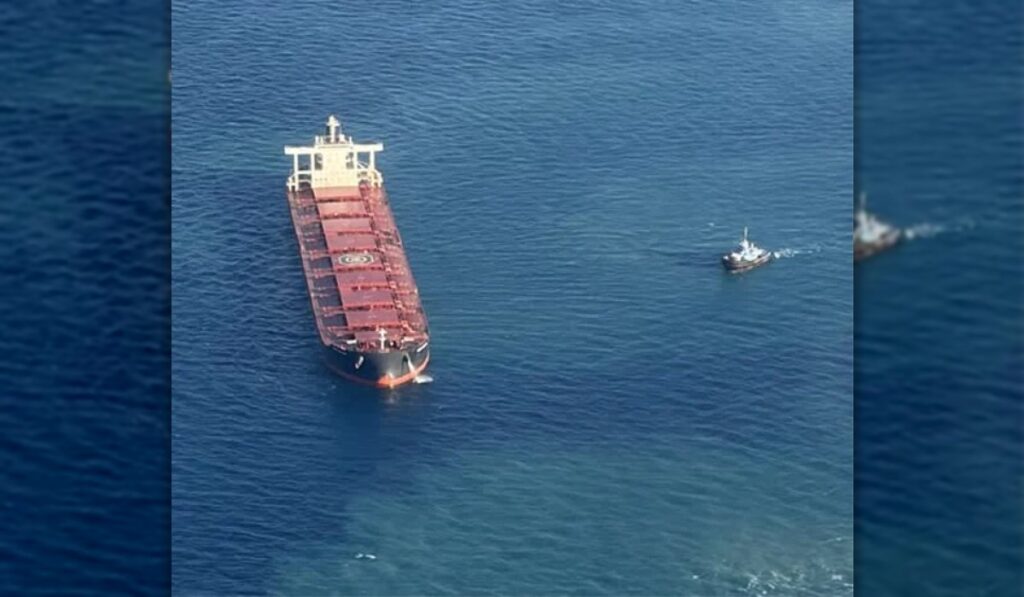
The Cape Falcon, a 182,066 dwt Capesize bulker, refloated on the morning of September 24 after spending a week aground six nautical miles off Gladstone, Australia. The vessel, fully laden and managed by Japan’s Shoei Kisen Kaisha, had grounded on September 18 while attempting to anchor in the bunkering zone, prompting a salvage operation that disrupted shipping schedules in one of the country’s largest dry bulk ports.
The Cape Falcon, a 292-meter bulker built in 2022 and registered in Liberia, ran aground at 1524 local time on September 18. Maritime Safety Queensland (MSQ) reported the incident occurred while the vessel was manoeuvring at slow speeds to anchor in the bunkering anchorage off the Port of Gladstone. Despite multiple attempts over the past week, including the use of tugs from the port, previous efforts to free the ship had failed.
How the Cape Falcon Grounding Unfolded: Bulker
MSQ enforced a one-nautical-mile exclusion zone around the vessel, citing potential risks to other ships. While the bulker was outside the main shipping channel, port officials warned of delays to the shipping schedule, particularly for vessels navigating the area.
The Regional Harbour Master approved a salvage plan on September 23, with a refloating attempt initially scheduled for 1900 local time on September 24, when high tide was expected to reach 3.6 meters (nearly 12 feet). However, the vessel came free earlier than planned on the morning high tide, avoiding the need for the evening operation.
The Australian Transport Safety Bureau Bureau (ATSB) confirmed no injuries to the crew or pollution were reported. The media noted the bulker grounded near the edge of a dredge spoil ground, an area designated for the disposal of dredged material. Despite the lack of environmental damage, the incident has raised questions about navigation safety in the anchorage zone, which is critical for vessels awaiting bunkering or cargo operations.
Following the refloating, the Cape Falcon was directed to anchor pending further investigation. The Australian Maritime Safety Authority (AMSA) detained the vessel to ensure compliance with safety and regulatory requirements before it resumes service. The ATSB has launched a short investigation, which will include interviews with the crew, analysis of the voyage data recorder, and a review of the ship’s tracking data, weather conditions, and maintenance records.
What Happens Next for Gladstone’s Port Operations
The exclusion zone and salvage operations have already caused delays, and the ongoing investigation may extend the vessel’s downtime.
For now, the focus remains on ensuring the Cape Falcon meets all safety standards before it is cleared to sail.


Sign up free to ask CAMAL AI for a summary, the key points or anything else about this story.
Related stories
CAMAL AI
 Financial Ports Newsletter
The maritime economy, every morning
Ports, shipping and freight markets in one short email. Free.
Financial Ports Newsletter
The maritime economy, every morning
Ports, shipping and freight markets in one short email. Free.



