

Japan eyes India for 1,000-km missile tests amid China concerns
Tokyo seeks overseas ranges to train with its new Type-25 anti-ship missile.
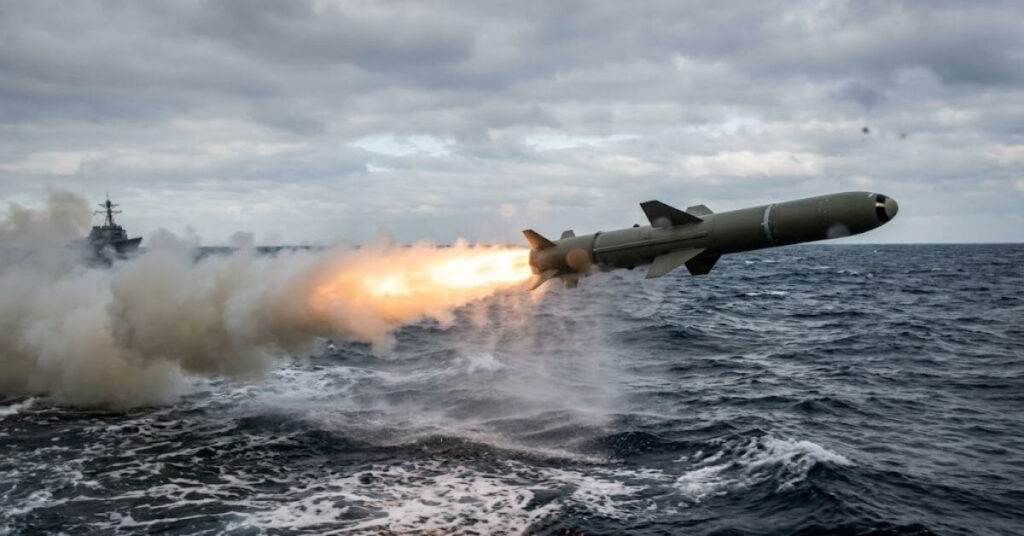
Japan is evaluating Indian military testing facilities as a potential site to train with its Type-25 anti-ship missile, which has a range of approximately 1,000 kilometers. Domestic limitations have made it difficult for Japan to fully test the weapon’s capabilities within its own borders.
A delegation of Japanese defense officials traveled to India in mid-May to assess live-firing ranges and other military training infrastructure, according to reports from Japan’s public broadcaster NHK. The visit focused on determining whether Indian facilities could support exercises involving the Type-25 missile and other advanced systems.
Challenges of domestic testing: type-25 anti-ship missile
Japan’s efforts to conduct large-scale missile tests at home have faced obstacles. General Masayoshi Arai, Chief of Staff of the Japan Ground Self-Defense Force, noted that radio frequency interference poses a significant issue, potentially disrupting civilian communications such as television broadcasts and mobile networks. Additional concerns include safety regulations and the need for coordination with local authorities, which complicate training operations.
India, however, offers several advantages. The country operates a major live-firing range in Chandipur, Odisha, along with naval training facilities in Kochi. These sites have previously hosted foreign military exercises, including those conducted by Singapore. India and Japan have also strengthened their defense cooperation in recent years, collaborating on naval and air training initiatives.
While no final decision has been made regarding which weapons will be tested in India or when such exercises might occur, discussions included the possibility of evaluating small attack drones at Indian ranges. Arai emphasized that the goal was to identify training options that would allow Japan to fully utilize the missile’s extended range.
Regional security concerns drive expansion
Japan’s push to develop and test longer-range weapons comes as regional tensions rise. Concerns over China’s military activities and North Korea’s advancing missile arsenal have prompted Tokyo to enhance its defense capabilities. The Type-25 anti-ship missile is part of a broader strategy to strengthen coastal defenses, including the development of the Synchronized, Hybrid, Integrated and Enhanced Littoral Defense (SHIELD) system.
SHIELD is designed to integrate large numbers of unmanned aerial, surface, and underwater vehicles for reconnaissance and strike missions, alongside long-range missiles capable of engaging targets beyond an adversary’s defensive reach. The system aims to provide a flexible and cost-effective response to potential threats.
Japan is also seeking expanded access to testing facilities in Australia. In August, Japanese Defense Minister Shinjiro Koizumi and his Australian counterpart, Richard Marles, discussed a long-term arrangement that could allow Japan to use Australian ranges for the next decade. This follows previous missile tests conducted during joint exercises in Australia, including the 2023 and 2025 Talisman Sabre drills.
As Japan continues to modernize its military, securing suitable training environments, both domestically and abroad, remains a key priority. The potential use of Indian ranges could provide the necessary space and flexibility to fully test and deploy its next-generation defense systems.


Sign up free to ask CAMAL AI for a summary, the key points or anything else about this story.
Related stories
CAMAL AI
 Financial Ports Newsletter
The maritime economy, every morning
Ports, shipping and freight markets in one short email. Free.



