

Israel demands 50 ships as ZIM workers reject $4.2bn Hapag-Lloyd deal
ZIM labour union insists on a 50-vessel Israeli-controlled fleet.
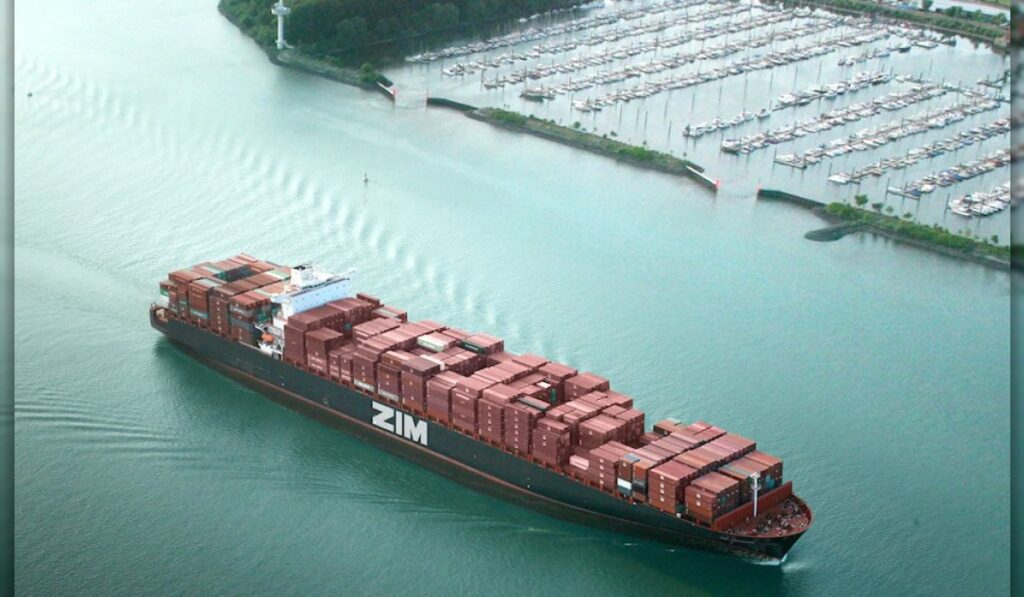
The German carrier’s sweetened terms, including a weekly Far East service and strengthened golden-share protections, failed to sway labour leaders, who argue the transaction leaves Israel dangerously dependent on foreign-controlled shipping.
The standoff escalated after Hapag-Lloyd CEO Rolf Habben Jansen and private equity partner FIMI presented the updated proposal to Israel’s government last week. While the headline price remains unchanged at $35 per share, the buyers committed to increasing Israeli seafarer employment and preserving local maritime expertise. However, ZIM labour union chief Oren Caspi dismissed the concessions, telling The Times of Israel: “We need at least 50 ships in Israeli hands and lines to all trade corners of the earth.”
The revised structure also grants ZIM Israel access to Hapag-Lloyd’s wider container fleet, but Caspi warned the 16-ship carve-out would be insufficient during wartime. His concerns echo those raised by a Knesset committee earlier this year, which questioned whether such a small fleet could meet Israel’s logistics obligations in a crisis. Workers staged strikes following the deal’s initial announcement in February, amplifying political pressure on the government.
Hapag-Lloyd
Why Israel’s government is sceptical of the Hapag-Lloyd deal
Israel’s finance ministry has openly opposed the transaction, stating the economic, operational and security risks significantly outweigh the benefits. A key sticking point is Hapag-Lloyd’s shareholder structure: Qatar holds a 12.3% stake, while Saudi Arabia controls 10.2%. The ministry warned this “creates a tangible strategic risk regarding political pressure and foreign influence during times of crisis.”
Prime Minister Benjamin Netanyahu and Defence Minister Israel Katz intensified their opposition in July, urging the deal be abandoned. The government’s golden-share protections, designed to safeguard Israel’s interests, were strengthened in the revised proposal, but critics argue they remain inadequate.
The fund will also acquire the 16 vessels earmarked for the Israeli-controlled operation, ensuring direct global maritime connections.
The finance ministry’s opposition reflects broader concerns about Israel’s maritime independence. The proposed takeover by Hapag-Lloyd, a German carrier with significant Middle Eastern shareholding, has raised alarms about potential vulnerabilities in supply chains during conflicts.
The German carrier has sought to reassure Israeli authorities by emphasising its commitment to maintaining ZIM’s operational independence under the revised terms.
What the deal means for global shipping and Israel’s maritime strategy
ZIM Israel businesses and consumers, the outcome of the deal could have tangible consequences. A successful takeover could lead to improved service frequencies and broader market access, but critics warn it may also expose Israel to geopolitical risks. The finance ministry’s stance suggests that any agreement must include robust safeguards to protect Israel’s strategic interests, particularly in times of crisis.
The revised proposal includes commitments to strengthen Israel’s golden-share protections, which would grant the government veto power over critical decisions affecting ZIM Israel. Additionally, Hapag-Lloyd has pledged to maintain direct shipping routes to key markets, including Asia and the Far East, which are vital for Israel’s trade-dependent economy.
Hapag-Lloyd remains determined to finalise the deal by the end of the year, with a 45-day window to iron out the revised framework. The company has urged Israeli authorities to reconsider the improved terms, emphasising the benefits of ZIM Israel’s access to its broader fleet. CEO Rolf Habben Jansen stated: “The revised proposal will secure Israel’s access to key shipping routes, including routes from Asia.”
The German carrier also pledged to prevent foreign interference in the transportation of sensitive cargo, a significant upgrade over the current arrangement. However, the finance ministry’s stance suggests the government may still block the deal unless further concessions are made. The next few weeks will be critical, as Hapag-Lloyd and FIMI prepare to submit the revised proposal to Israel’s cabinet for approval.
The outcome could reshape the global container shipping industry, where the combined entity would become the world’s fifth-largest carrier. Israel, the stakes are even higher: the deal’s collapse would leave ZIM searching for alternative partners, while its approval could set a precedent for future foreign investments in strategic sectors. Either way, the dispute highlights the delicate balance between economic opportunity and national security in maritime trade.
Stakeholders are advised to monitor official announcements from Israel’s government and Hapag-Lloyd for updates on the revised proposal. Knesset’s final decision will likely be influenced by ongoing assessments of Israel’s maritime security needs and the potential economic benefits of the deal. For now, the industry watches closely as one of the year’s most contentious takeover battles unfolds.


Sign up free to ask CAMAL AI for a summary, the key points or anything else about this story.
Related stories
CAMAL AI
 Financial Ports Newsletter
The maritime economy, every morning
Ports, shipping and freight markets in one short email. Free.
Financial Ports Newsletter
The maritime economy, every morning
Ports, shipping and freight markets in one short email. Free.