

A.P. Moller Capital seizes Europe’s bulk giant in €1bn-plus port play
Copenhagen investor takes 53.35% of Euroports, adding 50+ terminals and 70m tonnes of annual cargo to its global.
The transaction, which remains subject to regulatory and competition approvals expected in the first quarter of 2027, marks A.P. Last year, the firm completed the acquisition of a 51% stake in Spanish port and logistics operator BERGÉ, which operates across Iberia and Latin America. The final consideration for the Euroports deal will depend on the group’s consolidated EBITDA for the year ending December 31, 2026, though no financial details have been disclosed.
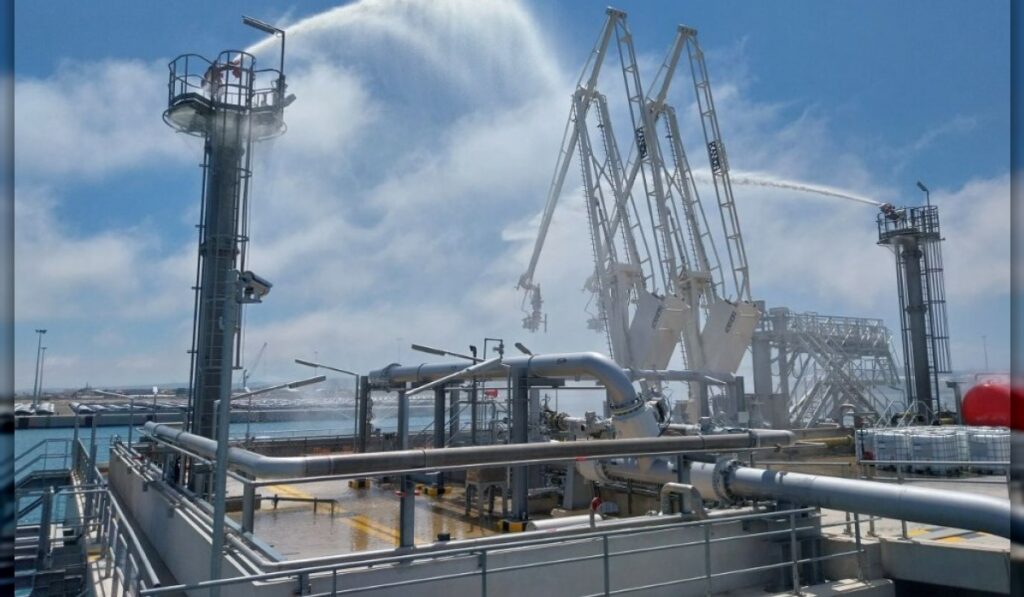
Euroports is no minor player in the European logistics landscape. The group operates more than 50 deepsea and inland terminals across 10 European countries and China, handling over 70 million tonnes of dry bulk, breakbulk, and liquid bulk cargo annually. With around 3,000 employees, the company also controls Manuport Logistics, a freight forwarding business active in more than 20 countries, which will continue to operate under its own brand.
Kim Fejfer, managing partner and CEO of A.P. Moller Capital, emphasized this point in a statement:
“In a changing world, resilient supply chains and secure trade flows are increasingly essential to economic stability and growth.
What’s next: regulatory hurdles and strategic expansion: Moller Capital
While the transaction is expected to close in the first quarter of 2027, it must first navigate regulatory and competition approvals. The final purchase price will be tied to Euroports’ consolidated EBITDA for 2026, a common practice in infrastructure deals to account for performance fluctuations. For R-Logitech, the sale is part of a wider restructuring effort, with proceeds earmarked for repaying secured financing and outstanding noteholder claims.
For Euroports, the change in ownership is not expected to disrupt operations. The company’s existing management structure, governance framework, and strategic direction will remain in place, according to A.P. Moller Capital. However, the new ownership group has signaled plans to support further expansion, including efforts to broaden Euroports’ footprint and attract additional customers and cargo volumes. This could involve investments in digitalization, sustainability initiatives, or even further acquisitions to consolidate its position in the bulk terminal sector.
Koen Van Loo, CEO of SFPIM, described the transaction as a way to secure long-term infrastructure assets while allowing the public sector to maintain a role in shaping Euroports’ future. The arrangement mirrors similar public-private partnerships in Europe, where governments seek to balance financial returns with strategic control over critical infrastructure.
For industry observers, the deal raises questions about the future of bulk terminal operators in an era of supply chain volatility. With geopolitical tensions, climate change, and shifting trade patterns reshaping global logistics, the resilience of bulk supply chains has become a priority for both governments and investors. A.P. Moller Capital’s move suggests confidence in the sector’s long-term stability, even as containerized trade faces its own challenges, from overcapacity to geopolitical disruptions in key shipping lanes.
As the regulatory process unfolds, stakeholders will be watching closely to see how the deal reshapes Euroports’ strategy. The company’s ability to attract new cargo volumes and expand its terminal network could set a precedent for other bulk terminal operators, particularly in Europe, where infrastructure investment remains a key driver of economic growth. For now, the focus remains on securing approvals and finalizing the financial terms, with the first quarter of 2027 marking the next critical milestone.


Sign up free to ask CAMAL AI for a summary, the key points or anything else about this story.
Related stories
CAMAL AI
 Financial Ports Newsletter
The maritime economy, every morning
Ports, shipping and freight markets in one short email. Free.
Financial Ports Newsletter
The maritime economy, every morning
Ports, shipping and freight markets in one short email. Free.