

$4.2bn Zim deal stalls as Israel demands maritime safeguards
Israel’s Government Companies Authority halts review, forcing a revised proposal to protect national maritime security.
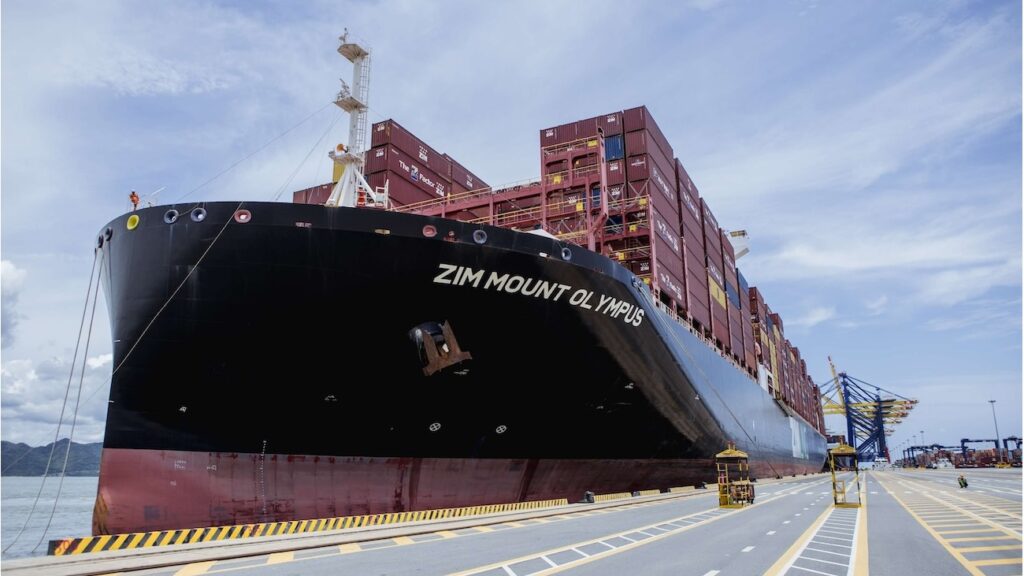
Hapag-Lloyd’s planned $4.2 billion acquisition of Israel’s Zim Integrated Shipping Services has been sent back to the drawing board after Israeli regulators demanded a revised proposal with enhanced security measures.
The German container shipping company and its Israeli partner must now submit a new plan for approval, creating uncertainty around their target to finalize the deal by late 2026. Israel’s Government Companies Authority (GCA) terminated its review of the original transaction structure, requiring a fresh assessment of the updated terms.
Security concerns reshape the deal: Israel
The core issue revolves around Israel’s “golden share” mechanism, which ensures the country retains control over critical maritime operations during emergencies. Under the initial agreement, Zim’s international operations would transfer to Hapag-Lloyd, while a separate Israeli entity—Zim Israel—would assume the golden share obligations.
Hapag-Lloyd
However, Israeli authorities, including the Finance Ministry, raised objections about whether the original structure adequately protected national interests. The revised proposal, developed with Israeli private equity firm FIMI, introduces several key changes:
- A new shipping route connecting Israel and Asia;
- A modern fleet of 16 vessels for Zim Israel, surpassing the existing 11-vessel requirement;
- Enhanced protections for strategic cargoes and Israel’s maritime independence;
- A potential reduction in the foreign-ownership threshold for golden-share protections from 24% to 10%.
Hapag-Lloyd CEO Rolf Habben Jansen stated on October 2 that the government’s concerns focused on the original proposal, not the strengthened version now under development. “The positions presented relate to our initial plan and do not reflect the significant improvements we’ve made,” he said. “We believe the revised structure addresses Israel’s security requirements and can secure approval.”
“The positions presented relate to our initial plan and do not reflect the significant improvements we’ve made to the proposed structure.”
Rolf Habben Jansen, Hapag-Lloyd CEO
Regulatory and shareholder hurdles remain
The GCA’s decision to halt its review means the revised proposal must undergo a new approval process rather than continuing from where the previous assessment left off. This reset extends the timeline for regulatory clearance, which is now the primary obstacle to closing the deal.
Additionally, a group of Zim shareholders holding more than 10% of the company’s stock has raised concerns about the changes. They argue that a materially revised agreement would require another shareholder vote, as board approval alone may not suffice. However, Hapag-Lloyd and Zim maintain that the purchase price and fundamental terms remain unchanged.
The acquisition would expand Hapag-Lloyd’s container capacity from 2.4 million to 3.1 million units, though it would still rank fifth globally. The companies plan to submit the updated proposal to Israeli authorities in the coming weeks, with regulators expected to scrutinize the new security measures closely.


Sign up free to ask CAMAL AI for a summary, the key points or anything else about this story.
Related stories
CAMAL AI
 Financial Ports Newsletter
The maritime economy, every morning
Ports, shipping and freight markets in one short email. Free.
Financial Ports Newsletter
The maritime economy, every morning
Ports, shipping and freight markets in one short email. Free.



