

Great Lakes Cruises Hit 175,000 Passengers
The 2026 Great Lakes cruise season is projected to welcome 175,000 passenger visits, marking a 15% increase over 2025.
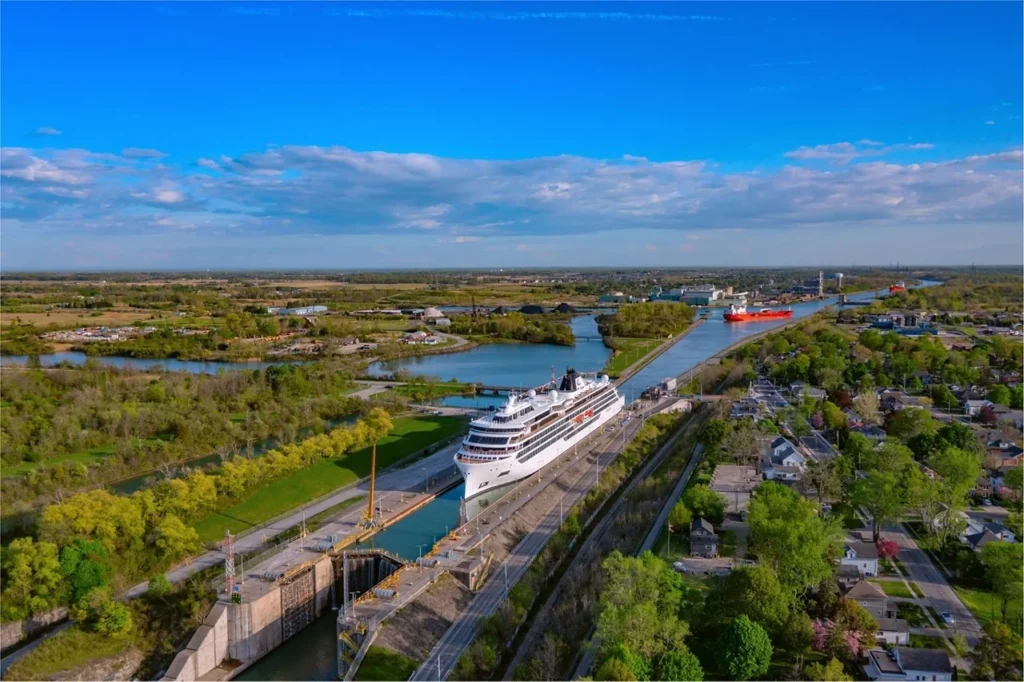
Unlike the crowded Caribbean or Mediterranean routes, the Great Lakes offer a quieter, more intimate experience, with ships carrying fewer than 400 passengers.
The region’s appeal lies in its contrasts. Stephen Burnett, Executive Director of the GLCA, notes that the lakes themselves are a revelation for many visitors. “Many of the guests that come from afar don’t realise how big the lakes are,” he says. “The biggest surprise is they are walking around the deck, and they don’t see land. So it is vast inland oceans.” The north shore of Lake Superior, in particular, is described as incredibly wild and virgin, a stark departure from the developed coastlines of more traditional cruise destinations.
Toronto, one of the region’s key ports, further enhances the experience with its multicultural fabric. The city’s daily use of 90 languages fascinates international guests, offering a glimpse into its polyglot communities. “They are quite fascinated by the multicultural aspect of how Toronto really works,” Burnett adds, highlighting the city’s role as a microcosm of global immigration.
Hapag-Lloyd
The fleet operating in the Great Lakes reflects this international flavour. French operator Ponant Cruises, Germany’s Hapag-Lloyd, and Viking, with its Norwegian roots and Swiss base, join U.S. companies Victory Cruise Lines and Pearl Seas Cruises. This mix ensures a variety of onboard experiences, from Hapag-Lloyd’s nature-focused Hanseatic Inspiration to Victory Cruise Lines’ Victory I, which docks in cosmopolitan hubs like Toronto.
Beyond the natural beauty, safety is a critical draw. This sense of security, combined with the allure of undiscovered landscapes, has made the Great Lakes an increasingly attractive option for travellers who have exhausted more conventional destinations.
Cultural depth also plays a role. The region’s First Nations and Aboriginal history captivates European visitors, who are eager to explore indigenous communities and their traditions. Burnett notes that the GLCA has fostered strong relationships with these communities, integrating their stories into the cruise experience. “We get Europeans who are fascinated with that culture,” he says, pointing to the growing interest in heritage-based itineraries.
Why the Great Lakes are drawing global travellers
Onboard programming further enriches the journey. A retired Canadian government advisor, whose hobby is history, delivers an average of 10 lectures per voyage, drawing crowds eager to delve into the region’s past.
The GLCA’s network of 28 to 30 member ports ensures a dynamic and varied experience. On an average cruise, ships visit six or seven ports, with itineraries rotating to showcase different facets of the region. From the rugged beauty of Thunder Bay at the top of Lake Superior to the historic charm of Kingston and Cornwall in eastern Ontario, each stop offers a unique perspective on the Great Lakes’ diversity.
The association’s commitment to customer satisfaction is evident in its data-driven approach. Feedback from ports like Thunder Bay and Kingston provides a steady stream of intelligence, helping the GLCA refine its offerings. “We understand our guests are two things: very happy in what they see, and there is a great amount of surprise in what they see,” Burnett explains, emphasising the element of discovery that defines the Great Lakes cruise experience.
A seven-day cruise in the Canadian sector, for example, allows passengers to remain in a single country, while a border crossing can transition the journey into the U.S. “Cruising in your own backyard, in a way, is a huge attraction,” Burnett notes, highlighting the convenience and accessibility of the Great Lakes.
The future of Great Lakes cruising looks promising. The GLCA is expanding its product offerings, with a focus on underdeveloped areas like the Lake Superior North Shore Inside Passage. This archipelago of islands, home to five small communities, promises new adventures for repeat visitors. The association’s Great Lakes Cruising Sail Away event on May 4, 2027, will further showcase the region’s potential, drawing attention to its unique blend of nature, culture, and safety.
As global conflicts continue to disrupt traditional cruise routes, the Great Lakes stand out as a beacon of stability and discovery. With their intimate ships, diverse itineraries, and untouched landscapes, they offer an experience that is as surprising as it is secure, a rare combination in today’s travel landscape.


Sign up free to ask CAMAL AI for a summary, the key points or anything else about this story.
Related stories
CAMAL AI
 Financial Ports Newsletter
The maritime economy, every morning
Ports, shipping and freight markets in one short email. Free.
Financial Ports Newsletter
The maritime economy, every morning
Ports, shipping and freight markets in one short email. Free.



