

India tightens enclosed-space safety rules for ships in coastal waters
New directive mandates stricter entry procedures, training, and equipment for vessels operating in Indian waters.
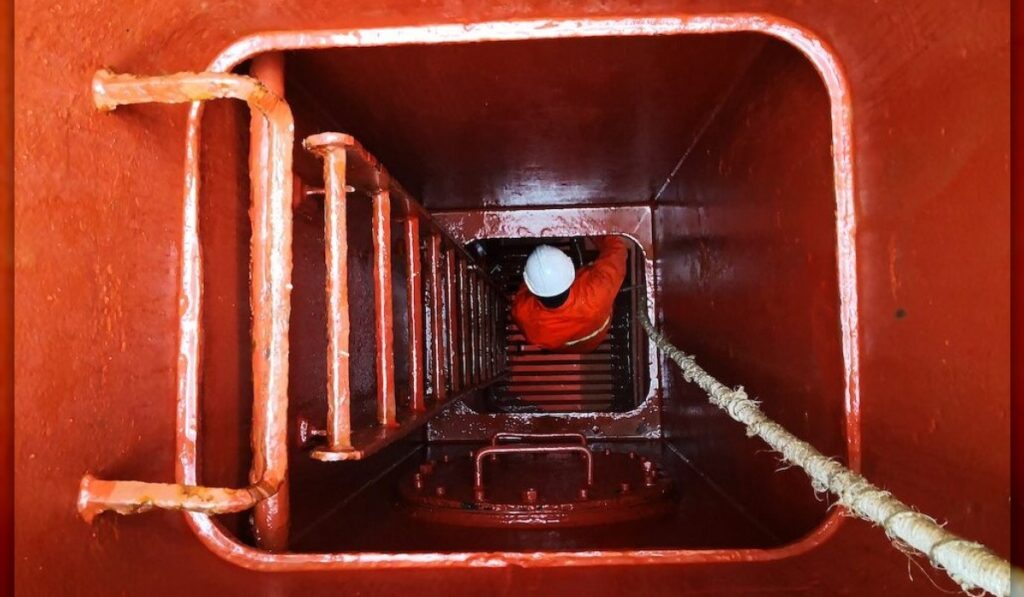
India has introduced stricter safety regulations for enclosed spaces on ships, targeting both domestic and foreign vessels operating in its waters. The directive, issued on November 23, enforces updated International Maritime Organization (IMO) guidelines adopted in June 2025 to reduce risks in hazardous shipboard environments.
The new rules mandate that shipowners and managers maintain a detailed enclosed-space register for each vessel, cataloging high-risk areas and potential dangers. Entry into these spaces must be approved by the ship’s master or an authorized officer, with permits limited to a maximum of eight hours. Solo entries are now prohibited under all circumstances.
Key requirements for vessel operators: India
Crew members involved in enclosed-space operations must complete specialized training covering hazard identification, proper use of gas-detection equipment, and emergency response protocols. Operators are also required to conduct regular rescue drills and undergo safety management audits to verify compliance. Vessels transporting organic solid bulk cargoes, which may generate dangerous atmospheres, must carry equipment capable of detecting carbon dioxide and testing conditions before and during entry.
The regulations address the severe risks posed by enclosed spaces, such as cargo holds and ballast tanks, where oxygen depletion or toxic gases like hydrogen sulfide and carbon monoxide can endanger lives. To mitigate these dangers, the directive mandates the use of personal gas detectors for all personnel entering such areas. Additionally, emergency escape breathing devices are now banned for entry into unsafe atmospheres, as they are not designed for prolonged use in hazardous conditions.
Enhanced safety measures and enforcement
Shipowners must develop and maintain vessel-specific emergency response plans to ensure crews can act quickly in case of an incident. Compliance will be rigorously checked during company inspections, vessel surveys, and external audits. The rules also require additional risk assessments when terminal personnel enter cargo spaces, further tightening safety protocols.
The updated measures reflect India’s commitment to aligning its maritime safety standards with international best practices. Vessels operating in Indian coastal waters must now meet these requirements or face potential penalties during inspections.


Sign up free to ask CAMAL AI for a summary, the key points or anything else about this story.
Related stories
CAMAL AI
 Financial Ports Newsletter
The maritime economy, every morning
Ports, shipping and freight markets in one short email. Free.