

Shipping’s hidden risk: crew fatigue skews safety data
A new report links seafarer fatigue and under-reporting to rising commercial risks for insurers and lenders.
The shipping industry is overlooking significant commercial risks by failing to address seafarer fatigue, mental health, and a culture of under-reporting, according to a new report from the Sustainable Shipping Initiative (SSI). The findings, published yesterday, warn that flawed safety data could distort risk assessments for insurers, banks, and investors.
The SSI’s From Welfare to Risk report examines 68 sources, including accident investigations, insurance claims, academic studies, and seafarer surveys. It identifies fatigue as the most extensively documented risk factor, with understaffing and excessive workloads encouraging the falsification of rest-hour records. This practice conceals dangerous working conditions from compliance systems, creating a misleading picture of onboard safety.
Fatigue and falsified records: the data gap: seafarer fatigue
A World Maritime University study from 2024 found that 64.3% of surveyed seafarers admitted adjusting their work/rest records. Meanwhile, a separate welfare review reported that only 49% of seafarers believed their most recent vessel carried sufficient crew to operate safely without excessive fatigue.
The report also highlights psychological safety as a critical concern. Between a quarter and a third of seafarers do not feel safe raising concerns or reporting errors, a reluctance that could undermine the accuracy of incident reporting.
The financial consequences of poor crew welfare are already evident in insurance claims. Gard’s latest crew claims report identifies stress, fatigue, and excessive workloads as key factors in onboard injuries, while illness accounts for almost 60% of crew claims.
Financial implications for insurers and lenders
The SSI argues that insurers could incorporate welfare indicators into loss-prevention programmes and underwriting discussions. Similarly, lenders could include these indicators in borrower monitoring to assess risk more accurately. However, the report cautions that current evidence is insufficient to use welfare data as standalone predictors of future claims, insurance premiums, or investment performance.
The next challenge, it notes, is connecting welfare surveys, accident investigations, port state control findings, and insurance claims at the vessel and operator level to quantify how poor crew conditions translate into financial losses.
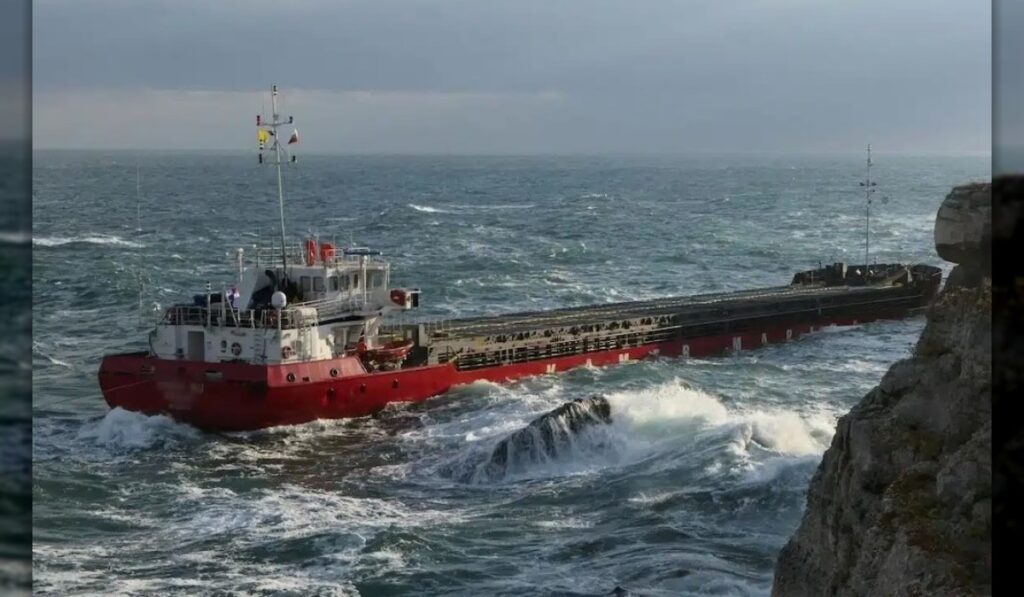
A case in point is the grounding of a general cargo ship in the Yailata protected area, Bulgaria, five years ago. The incident occurred when the vessel deviated from its planned course after the second officer on watch fell asleep. While the report does not name the ship, the example illustrates how fatigue-related errors can lead to costly accidents, environmental damage, and reputational harm for operators.
El informe subraya que la integración de estos datos, incluidas encuestas de bienestar, investigaciones de accidentes y hallazgos de control portuario, será clave para evaluar su impacto en pérdidas financieras. Los próximos pasos incluyen la presentación de resultados preliminares en la próxima reunión del Comité de Seguridad Marítima de la OMI, prevista para noviembre de 2024.


Sign up free to ask CAMAL AI for a summary, the key points or anything else about this story.
Related stories
CAMAL AI
 Financial Ports Newsletter
The maritime economy, every morning
Ports, shipping and freight markets in one short email. Free.



