

Gulf oil exports hit 24m bpd despite Hormuz attacks
Arabian Gulf crude flows now exceed pre-war levels as tankers brave Iranian strikes to cash in on $35/bbl transport.
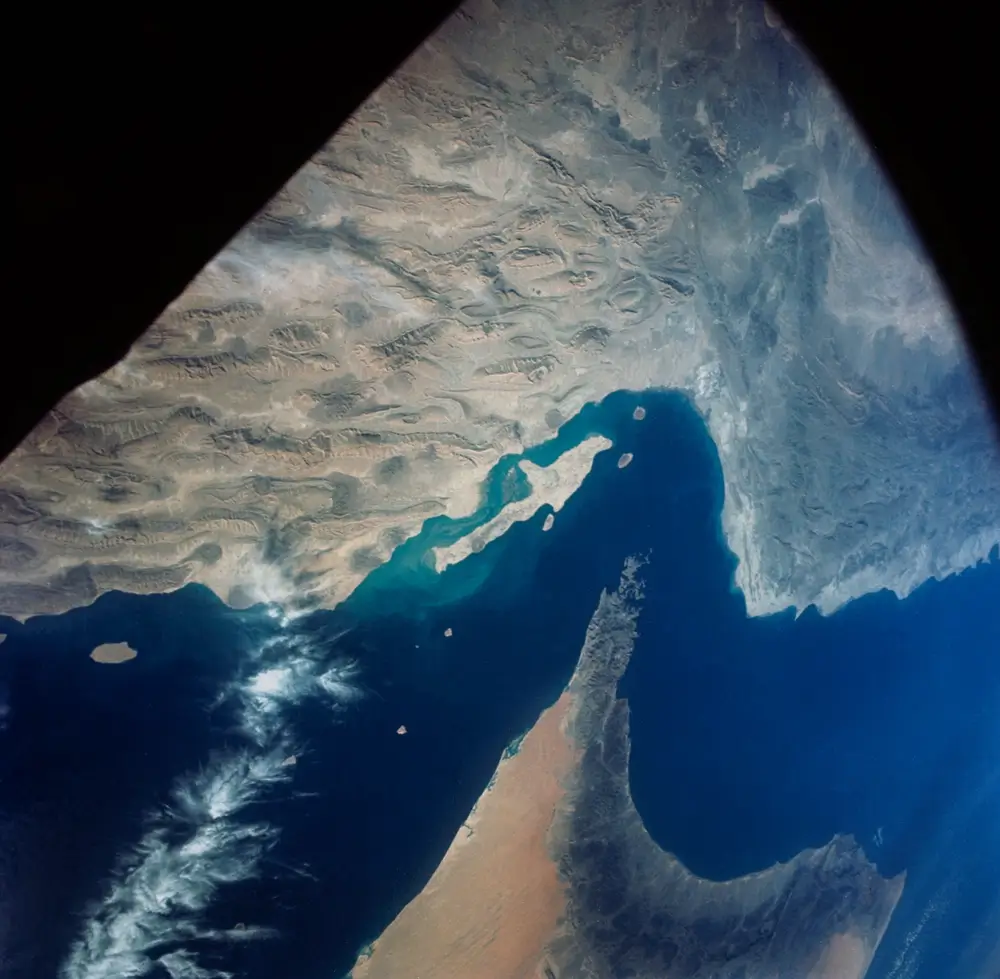
Oil exports from the Arabian Gulf have surged past pre-war levels, reaching 24 million barrels per day despite ongoing Iranian attacks on tankers in the Strait of Hormuz, according to data from commodity intelligence firm Kpler.
The increase includes crude transported via overland pipelines and shipments through a U.S.-protected corridor in the southern Strait of Hormuz, which now handles 14 million barrels per day. While the route remains vulnerable to drone and missile strikes, high freight rates, pushing delivery costs to Asia above $35 per barrel, have attracted more tankers to the region. Global oil prices remain elevated, consistently trading above $100 per barrel.
The Hormuz shuttle system keeps exports flowing
A network of short-haul tankers, dubbed the “Hormuz Shuttle Service,” has become critical to maintaining exports. These vessels transport crude from Gulf ports to Fujairah, where it is transferred to larger ships for long-haul voyages. Industry tracker TankerTrackers.com estimates several hundred vessels are involved in the trade, including shuttle tankers and larger Suezmax and VLCCs waiting offshore.
Brent Crude
Despite at least seven reported attacks in the strait since late September, the economic incentives, driven by soaring freight rates, have kept the system operational. Analysts note that while risks are high, the financial rewards have drawn more ships into the region.
U.S. Navy reinforcements and market uncertainties
The U.S. is bolstering its naval presence in the region to counter threats and ease operational strain. The aircraft carrier USS Theodore Roosevelt, along with its escort ships, is en route from Japan, while the Makin Island Amphibious Ready Group, comprising the amphibious assault ships USS Makin Island, USS Anchorage, and USS John P. Murtha, is sailing from San Diego. U.S. officials confirmed the deployments, suggesting the reinforcements could allow for a rotation of existing forces or enable additional airstrikes if needed after upcoming elections.
Meanwhile, the Trump administration has proposed integrating “shadow fleet” tankers, vessels currently operating in sanctioned trades, into the legitimate market to increase available tonnage. However, industry analysts remain skeptical. Many of these ships are already highly profitable in their current roles, and few meet insurance or regulatory standards, limiting the plan’s potential impact.
The U.S. Navy continues to enforce a blockade on Iranian oil exports, with no progress reported in peace negotiations. As a result, Gulf Cooperation Council (GCC) states have absorbed the region’s export demand, maintaining steady flows despite heightened risks. In late September, West Asian crude exports exceeded pre-war levels on four separate days, underscoring the market’s resilience.


Sign up free to ask CAMAL AI for a summary, the key points or anything else about this story.
Related stories
CAMAL AI
 Financial Ports Newsletter
The maritime economy, every morning
Ports, shipping and freight markets in one short email. Free.



