

Freight Brokers’ Old Playbook Is Dead: Why Shippers Are Losing Millions
A 28-year-old brokerage reveals why bidding wars for the cheapest rate now burn relationships—and budgets.
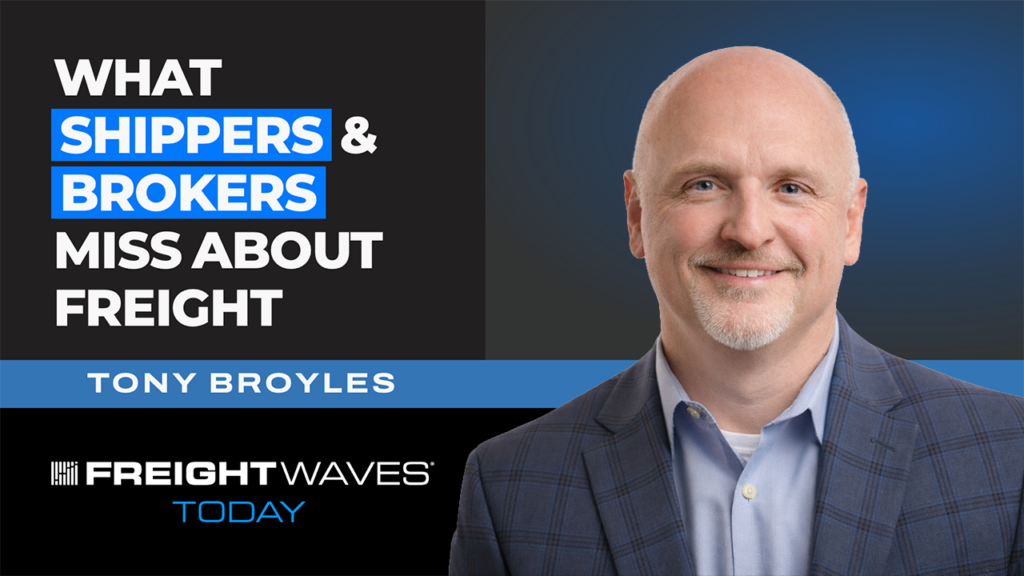
Overdrive Logistics, based in Chattanooga, began detecting early signs of a tightening freight market last November. Rate pressure on specific lanes and a shrinking truck supply signalled a sustained cycle change, not a seasonal blip. By January, the trend had solidified: the correction was real, and the industry’s delayed reaction was partly due to a wave of post-COVID logistics professionals who had never experienced a normalising market. “Shippers have been reaping the benefit of artificially low rates for years,” Broyles said. “We knew we were ripe for it.”
The old strategy, pitting brokers against each other to secure the lowest possible rate, has backfired. “The old 2023, 2024, or even 2025 playbook of just have a bunch of brokers and have them all bid against each other for the cheapest rate, that doesn’t work anymore,” Broyles warned. For shippers navigating the remainder of 2027 and 2027, the priority is now locking down contract rates on high-service, appointment-sensitive lanes. Low-frequency freight, however, should remain on the spot market to avoid burning relationships with carriers and brokers.
Why the Cheapest-Rate Playbook No Longer Works: Freight
Overdrive Logistics has built its business model around long-term partnerships. The firm’s top 10 customers average 19 years of tenure, with some clients staying for the full 28 years. This relationship depth provided a critical advantage: pattern recognition. While transactional brokers struggled to interpret market signals, Overdrive’s team identified the shift early, allowing them to advise clients proactively.
Freight security has become a growing concern, and Overdrive Logistics responded by implementing enhanced carrier vetting before the issue gained widespread attention. The process now includes real-time photo verification: drivers must submit images of their licences and stand beside their cab doors to display their MC numbers. The brokerage also uses the Highway platform, a carrier-vetting tool, and requires a follow-up phone call to a validated number to confirm booking authorisation. “We have humans talking to humans,” Broyles emphasised. “We’re not dispatching with AI.”
Overdrive’s approach to load board postings is equally selective. The firm prefers to move consistent freight through established carrier relationships without public postings. When spot postings are necessary, additional verification steps are applied before tendering a load. This cautious stance stems from rising concerns about AI-generated identity fraud, which automated systems often miss. Real-time, conversational vetting helps catch anomalies that algorithms overlook, ensuring that only trusted carriers handle sensitive shipments.
How Enhanced Carrier Vetting Is Changing the Game
For shippers, the message is clear: the era of treating freight as a commodity is ending. Brokers who prioritise long-term relationships and robust vetting processes will secure better capacity and more reliable service. Those who continue to chase the cheapest rates risk being left behind as the market tightens and carriers grow more selective about whom they work with.
The freight industry’s future belongs to those who recognise that trust and consistency now outweigh short-term savings. As Broyles put it, the playbook has changed, and those who adapt will be the ones still standing in 2027.


Sign up free to ask CAMAL AI for a summary, the key points or anything else about this story.
Related stories
CAMAL AI
 Financial Ports Newsletter
The maritime economy, every morning
Ports, shipping and freight markets in one short email. Free.
Financial Ports Newsletter
The maritime economy, every morning
Ports, shipping and freight markets in one short email. Free.