

Hidden Fire Hazard: Why Shipping Giants Want
WSC proposes IMO limits after containers with 7,000kg of undeclared Li-ion batteries caused ship fires
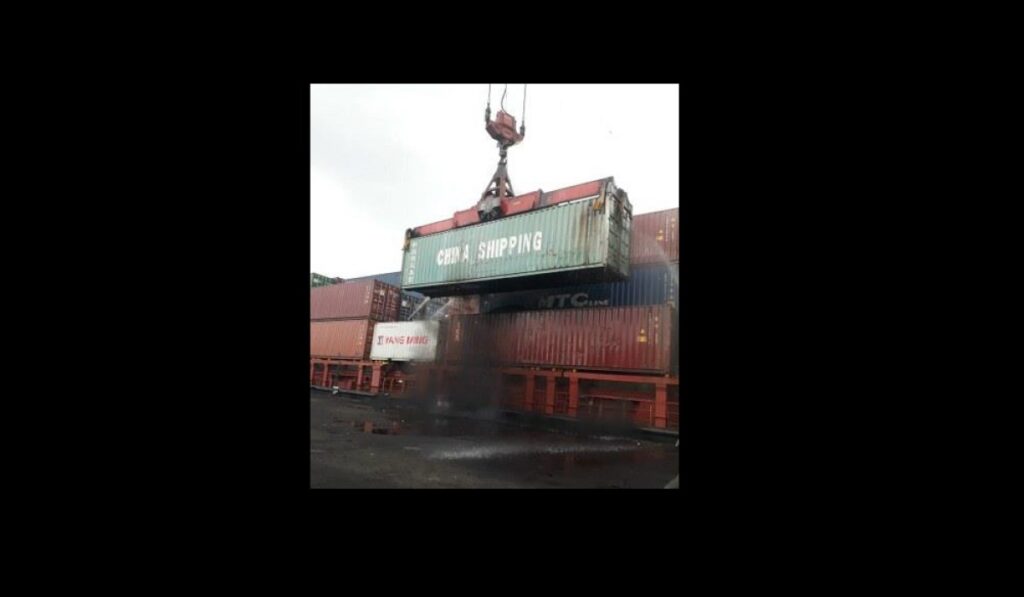
The maritime industry is sounding the alarm over a growing fire risk: undeclared lithium-ion batteries hidden in shipping containers.
The World Shipping Council (WSC) has submitted a proposal to the International Maritime Organization (IMO) to close this loophole, warning that current regulations fail to address the cumulative fire hazard posed by small, undeclared battery shipments.
Under the existing International Maritime Dangerous Goods (IMDG) Code, large lithium-ion battery packs must be declared and stowed under strict safety protocols. However, smaller batteries, such as those found in laptops, power tools, and flashlights, fall under an exemption (SP188) that allows them to be shipped without disclosure, even when packed in bulk.
Yet, as WSC President and CEO Joe Kramek notes, the rule has become a dangerous blind spot. A standard 40-foot container can legally hold up to 4,200 laptops, each with its own lithium-ion battery. Collectively, these batteries contain as much energy as those in three to four electric vehicles, a known fire risk that, when properly declared, is managed with specialised stowage and firefighting measures.
When undeclared, however, these cargoes become ticking time bombs. September 2020 2020, a container filled with battery-powered flashlights caught fire aboard the boxship X-Press Godavari. The blaze, fuelled by an estimated 7,000 kilograms of lithium-ion batteries, burned for more than three days, even after the container was offloaded onto a pier. The cargo had been shipped under the SP188 exemption and was not declared as dangerous goods, leaving the crew unaware of the risk.
“We know what can happen when hazards are invisible,” Kramek said. “Batteries shipped under the exemption have caused serious container fires, putting people, ports, ships, and the marine environment at risk. As battery shipments continue to grow, we need a better solution that makes these cargoes visible and allows the risks to be properly managed.”
“We know what can happen when hazards are invisible. Batteries shipped under the exemption have caused serious container fires, putting people, ports, ships and the marine environment at risk. As battery shipments continue to grow, we need a better solution that makes these cargoes visible and allows the risks to be properly managed.”
Joe Kramek·President and CEO of the World Shipping Council
What’s Next for Lithium Battery Safety in Shipping?: Fire
The WSC’s proposal, which will be reviewed next week at the IMO’s Sub-Committee on Carriage of Cargoes and Containers, calls for a limit on the maximum weight or capacity of batteries allowed in a single container under the SP188 exemption. Once that threshold is exceeded, shippers would be required to declare the cargo as dangerous goods, ensuring proper handling and stowage. The move comes as the International Energy Agency (IEA) projects that lithium-ion battery demand will double by the end of the decade, driven by the global shift toward electrification and renewable energy.
For the maritime industry, the stakes are high. The WSC argues that closing the SP188 loophole is a necessary step to align regulations with the realities of modern battery shipments, and to prevent future disasters like the X-Press Godavari fire.


Sign up free to ask CAMAL AI for a summary, the key points or anything else about this story.
Related stories
CAMAL AI
 Financial Ports Newsletter
The maritime economy, every morning
Ports, shipping and freight markets in one short email. Free.
Financial Ports Newsletter
The maritime economy, every morning
Ports, shipping and freight markets in one short email. Free.