

Why Iran’s latest tanker strike in Hormuz left two Filipino families
Saudi-flagged VLCC Sidr was hit by three projectiles at 11:40 p.m. local time on August 31
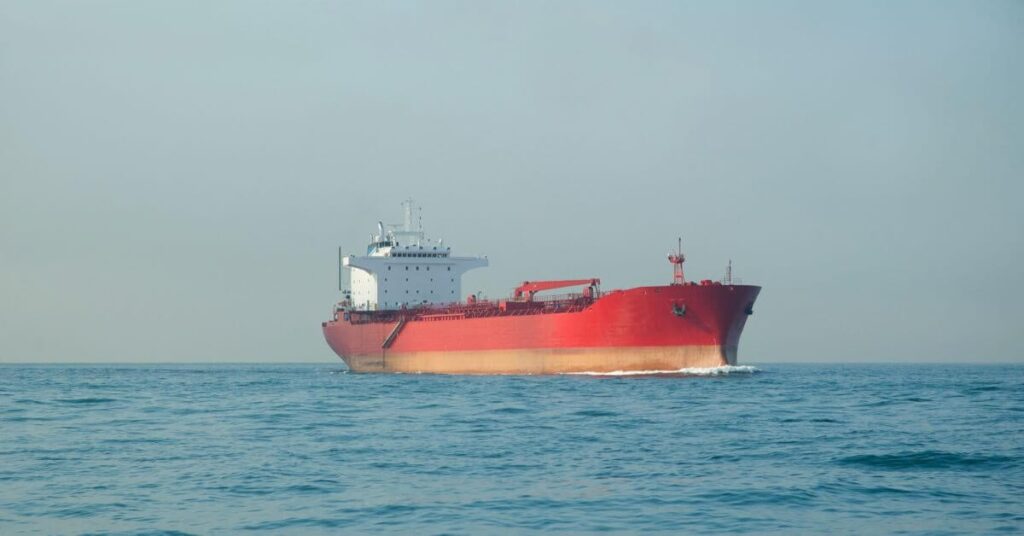
Two Filipino seafarers lost their lives after a Saudi-flagged oil tanker was struck by unidentified projectiles in the Strait of Hormuz on August 31. The vessel, Sidr, operated by Saudi shipping company Bahri, came under attack as it exited the critical waterway around 11:40 p.m. local time.
The Saudi government attributed the incident to an Iranian attack, though no immediate confirmation came from Tehran. The Sidr, a very large crude carrier, was hit by three projectiles, according to the UK Maritime Trade Operations (UKMTO), which monitors maritime security in the region. The two deceased crew members were among the Filipino nationals working aboard the vessel.
Philippine government mobilizes support for victims: Filipino
The Philippines’ Department of Migrant Workers (DMW) confirmed the deaths and outlined steps to assist the affected families. Secretary Hans Leo J. Cacdac directed government agencies to provide immediate aid, including financial compensation, insurance benefits, and logistical support for repatriation.
Natural Gas
The DMW, along with the Overseas Workers Welfare Administration (OWWA) and the Department of Foreign Affairs (DFA), is coordinating with the Philippine Embassy in Oman and local authorities to bring the surviving crew members home. The remains of the two seafarers will also be returned to their families, with officials ensuring compliance with Philippine and international maritime regulations.
President Ferdinand Marcos Jr. ordered the administration to prioritize the welfare of the victims’ families, reflecting concerns over the safety of Filipino workers in conflict zones. The government has been monitoring the situation in the Middle East since tensions escalated earlier this year.
Strait of Hormuz remains a high-risk zone
The Strait of Hormuz, a vital chokepoint for global energy shipments, has seen increased attacks on commercial vessels since February. The International Maritime Organisation (IMO) reported at least 70 incidents and 19 seafarer deaths in the region as of late August. The IMO has called for stronger measures to protect merchant ships, warning that continued disruptions could impact global oil and liquefied natural gas (LNG) supplies.
Before the recent escalation, approximately one-fifth of the world’s oil and LNG trade passed through the strait. The U.S. has maintained a military presence in the area, with around 50,000 personnel deployed to deter further aggression. Despite these efforts, the frequency of attacks has not decreased, raising concerns among shipping companies and seafaring nations.
The Philippines, a major supplier of maritime labor, has repeatedly urged shipowners to enhance safety protocols for Filipino crew members. The DMW issued an advisory on August 28, reminding employers of their legal obligations to protect workers in high-risk areas. As investigations into the Sidr attack continue, the incident underscores the ongoing dangers faced by seafarers navigating geopolitical hotspots.


Sign up free to ask CAMAL AI for a summary, the key points or anything else about this story.
Related stories
CAMAL AI
 Financial Ports Newsletter
The maritime economy, every morning
Ports, shipping and freight markets in one short email. Free.
Financial Ports Newsletter
The maritime economy, every morning
Ports, shipping and freight markets in one short email. Free.



