

69 steel giants to anchor 1GW Dutch wind farm—without a single bolt
EEW to manufacture 69 monopile foundations for Zeevonk’s first 1 GW phase.
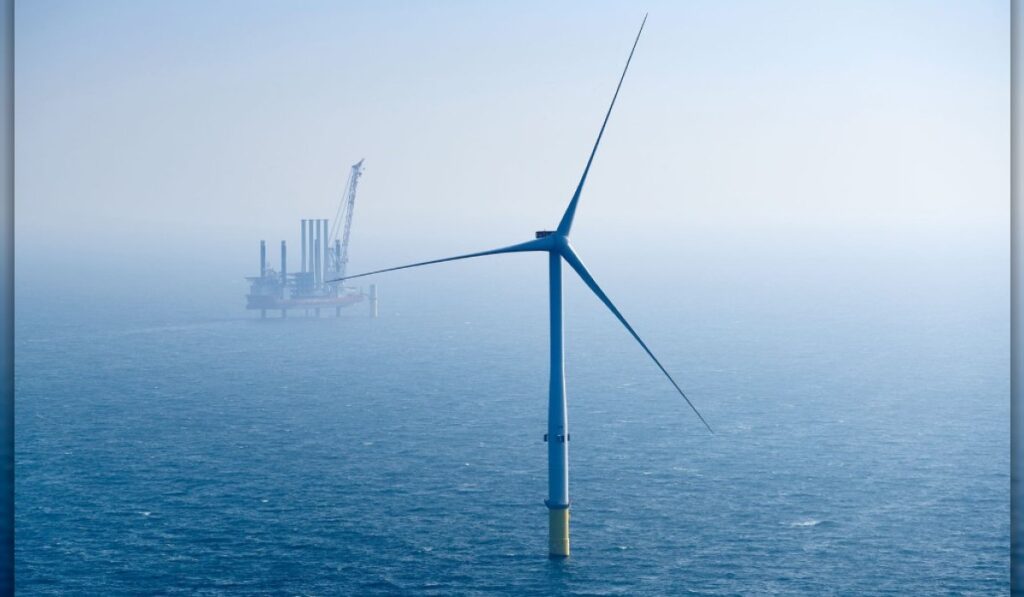
Energy developers Vattenfall and Copenhagen Infrastructure Partners have selected EEW Special Pipe Constructions to produce 69 monopile foundations for the initial phase of the Zeevonk offshore wind farm. The foundations will be manufactured at EEW’s facility in Rostock, Germany, before being transported to the project site in the Dutch North Sea, approximately 63 to 84 kilometers off the coast.
The Zeevonk project introduces a design innovation by eliminating conventional transition pieces. Instead, turbine towers will be mounted directly onto the monopiles, reducing steel consumption and simplifying both transportation and installation. This approach aligns with the project’s circularity commitments, which also include plans to incorporate lower-emission steel with a high recycled content in at least one foundation.
Felix Würtenberger, CEO of Zeevonk, highlighted the broader significance of the project’s design choices. “Delivering fossil-free energy requires us to look beyond power generation alone. We also need to reduce emissions associated with the development and construction of new energy infrastructure,” he stated.
Robert Dreves, managing director of EEW Special Pipe Constructions, noted that the streamlined design allows the company to apply its expertise in heavy-steel production while minimizing material use. The first phase of Zeevonk is expected to deliver 1 gigawatt of renewable electricity to the Dutch grid by 2029, though the project still awaits a final investment decision.
Future expansion and impact on Dutch energy goals
The Zeevonk project is set to expand beyond its initial phase. A second phase, planned for 2032, aims to add another 1 gigawatt of wind capacity along with 500 megawatts of system-integration facilities. These will include an electrolyser at the Port of Rotterdam to produce green hydrogen, further supporting the Netherlands’ transition to sustainable energy.
The project’s innovative foundation design could set a precedent for future offshore wind developments in the North Sea. By reducing material use and emissions, Zeevonk may accelerate the deployment of renewable energy infrastructure in a region already recognized as a leader in offshore wind. For now, the focus remains on manufacturing the 69 monopiles in Rostock, a critical step toward delivering clean energy to the Dutch grid.


Sign up free to ask CAMAL AI for a summary, the key points or anything else about this story.
Related stories
CAMAL AI
 Financial Ports Newsletter
The maritime economy, every morning
Ports, shipping and freight markets in one short email. Free.
Financial Ports Newsletter
The maritime economy, every morning
Ports, shipping and freight markets in one short email. Free.