

Fire on Cruise Ship Amadea: 320 Evacuated in 10 Minutes
A fire in a linen-storage compartment forced the evacuation of 320 passengers from the Bahamas-flagged Amadea in Rønne.
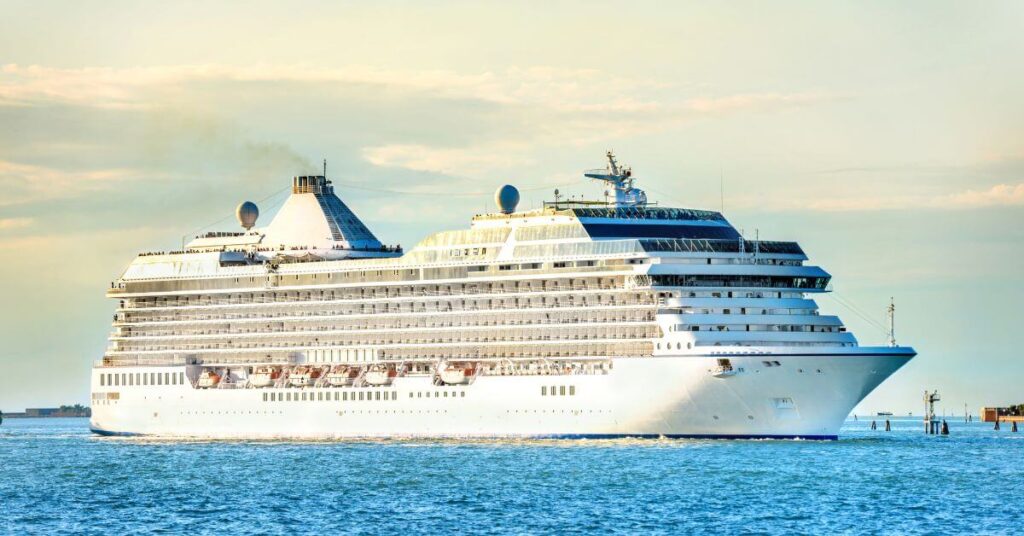
A fire aboard the Bahamas-flagged cruise ship Amadea forced the evacuation of 320 passengers while the vessel was docked at Rønne Port in Denmark on September 14, 2024. The blaze, which started in a linen-storage compartment, was extinguished within 10 minutes, with no reported injuries among passengers or crew.
The alarm was raised at 7:21 a.m., and by 7:31 a.m., emergency services had brought the situation under control. Workers at Rønne Port also played a crucial role in directing emergency vehicles to the cruise quay, where the 193-metre-long Amadea was berthed.
The crew’s familiarity with the ship’s layout was instrumental in ensuring a smooth evacuation, with passengers moved to a different part of the vessel while the fire was contained.
Rønne Port, which typically handles 50 to 60 cruise calls annually, has an expanded cruise quay that allows larger ships like the Amadea to berth directly. The port’s infrastructure proved vital during the emergency, with employees stationed along the access route to guide emergency crews to the ship, which was located at the far end of the harbour.
The Amadea, operated by German cruise company Phoenix Reisen, has a gross tonnage of around 29,000 and can accommodate approximately 600 passengers. Built by Mitsubishi Heavy Industries in Nagasaki in 1991, the ship originally entered service as Asuka for Japanese shipping company Nippon Yusen Kaisha before joining Phoenix Reisen’s fleet in 2006.
Phoenix Reisen, founded in 1973, specialises in expedition and classic cruises, with a fleet that includes vessels like the Artania and Amera. The company is known for its focus on passenger comfort and safety, with crew members undergoing regular training in emergency protocols. The Amadea’s incident in Rønne will likely prompt a review of its onboard safety procedures, including the inspection of linen-storage areas, which are common fire hazards due to the flammability of fabrics and the proximity to laundry equipment.
The vessel was on a 12-night Baltic cruise, having departed from Bremerhaven, Germany, on September 5, 2024. Before arriving in Rønne, the Amadea had called at ports in Gdansk, Poland, and was scheduled to continue to Wismar, Germany, before returning to Bremerhaven on September 17. Despite the fire, the ship departed Rønne as planned, with passengers served breakfast after returning to their cabins. This adherence to schedule is typical in the cruise industry, where delays can disrupt tightly coordinated itineraries and port operations.
Bornholm Police are continuing their investigation into the cause of the fire, which originated in a linen-storage compartment. While the incident caused no injuries, it underscores the importance of rapid response protocols and crew training in handling onboard emergencies.
The investigation will likely examine whether the fire resulted from electrical faults, improper storage of linens, or equipment malfunction, common causes of such incidents in maritime settings. The findings could lead to recommendations for cruise operators to enhance fire detection and suppression systems in similar compartments.
For passengers, the episode served as a reminder of the safety measures in place on modern cruise ships, where evacuation procedures are regularly drilled to ensure minimal disruption in the event of an emergency. The Amadea’s crew, trained to international maritime standards, executed the evacuation efficiently, demonstrating the value of preparedness.
Cruise lines are required by the International Maritime Organization (IMO) to conduct weekly muster drills for passengers, ensuring they know their assembly stations and evacuation routes. The Amadea’s response aligns with these regulations, which were strengthened after high-profile maritime incidents, such as the Costa Concordia disaster in 2012.
The Amadea’s next port of call, Wismar, will likely see heightened scrutiny of the vessel’s safety systems as it continues its itinerary. Cruise operators and port authorities across the Baltic region may also review their emergency response plans in light of this incident, ensuring that protocols remain robust for the remainder of the cruise season. Ports like Wismar, which handle frequent cruise traffic, often collaborate with local fire brigades and coast guard units to simulate emergency scenarios, a practice that could be reinforced following the Rønne incident.
For travellers planning Baltic cruises, the incident highlights the importance of familiarising themselves with onboard safety procedures and evacuation routes. While such events are rare, being prepared can make a significant difference in ensuring a smooth and safe journey. Passengers are advised to attend muster drills upon boarding and to locate their nearest emergency exits, as well as life jackets, which are typically stored in cabins. Cruise lines also provide safety briefings via in-cabin televisions and printed materials, which passengers should review before departure.
The Baltic cruise season, which runs from May to October, attracts thousands of travellers seeking to explore historic ports and scenic coastlines. The Amadea’s itinerary, which included stops in Norway, Sweden, Denmark, and Poland, is a popular route for cultural and historical tours.
The incident in Rønne, while minor, serves as a cautionary tale for the industry, emphasising the need for vigilance in maintaining safety standards amid growing demand for cruise travel. With passenger numbers in the Baltic expected to rise in the coming years, operators and port authorities will need to balance expansion with stringent safety protocols to prevent more serious incidents.
Passengers aboard the Amadea can take comfort in the fact that the crew’s swift action and the coordinated response of local emergency services prevented what could have been a far more serious situation. The incident also underscores the resilience of the cruise industry, which has implemented rigorous safety measures in the decades since its inception. For those considering a Baltic cruise, the Amadea’s experience offers reassurance that modern vessels are equipped to handle emergencies efficiently, allowing travellers to focus on enjoying their journey.
For further updates on the investigation, passengers and industry stakeholders can follow announcements from Bornholm Police and Phoenix Reisen. The Danish Maritime Authority, which oversees maritime safety in Danish waters, may also release guidance for cruise operators in the wake of the incident. Travellers with upcoming bookings on the Amadea or similar vessels are encouraged to monitor official communications from their cruise line for any adjustments to safety procedures or itineraries.


Sign up free to ask CAMAL AI for a summary, the key points or anything else about this story.
Related stories
CAMAL AI
 Financial Ports Newsletter
The maritime economy, every morning
Ports, shipping and freight markets in one short email. Free.
Financial Ports Newsletter
The maritime economy, every morning
Ports, shipping and freight markets in one short email. Free.