

US Coast Guard’s SASH prevention programmes lack central oversight
RAND report reveals fragmented policies and slow case timelines erode trust in the Coast Guard’s sexual assault.
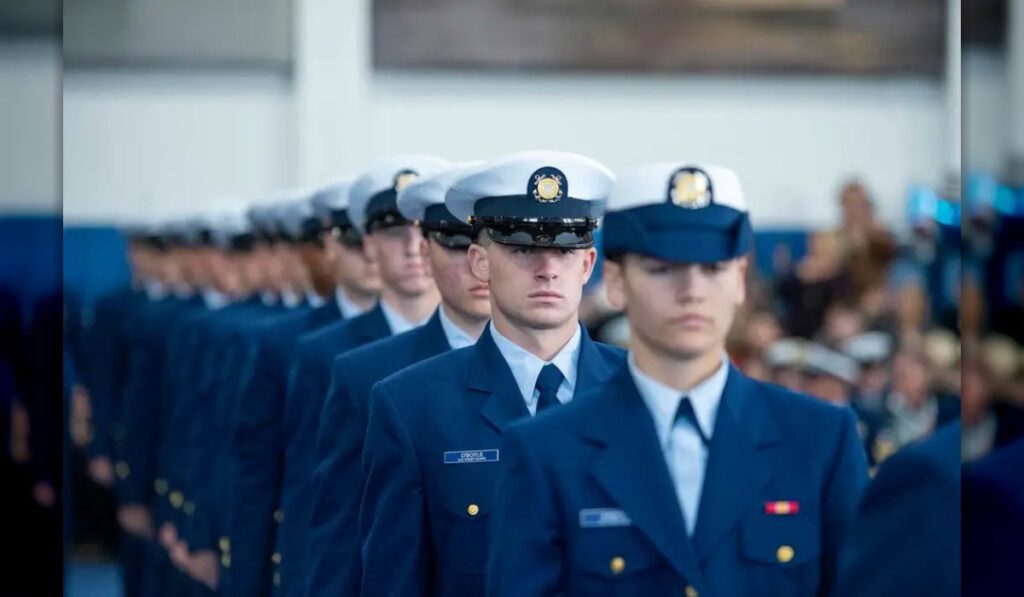
The findings, released earlier this month, highlight fragmented policies, slow case timelines, and inconsistent victim support as critical weaknesses in the service’s approach.
The RAND report, titled Sexual Assault and Sexual Harassment in the Coast Guard, was commissioned under the Fiscal Year 2024 Department of Homeland Security Appropriations Act. Researchers found that while the Coast Guard has established multiple programmes to address SASH, these initiatives operate in silos, with no single authority overseeing their integration or effectiveness.
SASH-related policies are currently distributed across three distinct directives, each addressing different forms of harm. This lack of cohesion, the report notes, limits the Coast Guard’s ability to monitor implementation, assess outcomes, or ensure consistent experiences for victims and practitioners. Data on SASH incidents are similarly fragmented, scattered across multiple tracking systems with varying definitions and reporting standards. This inconsistency hampers the service’s ability to identify trends, evaluate what works, and pinpoint areas of high risk.
“The Coast Guard’s SASH efforts are constrained less by an absence of programmes than by how those programmes are structured, integrated, and resourced,” the report states. Prevention activities, for example, are largely training-centric, with success measured by course completion rates rather than demonstrable changes in behaviour or risk reduction.
Fragmented policies and data hinder progress: Coast Guard
One of the most pressing issues identified in the report is the prolonged timeline for investigating and resolving SASH cases. A Special Victims Counsel who spoke with RAND researchers described the impact on victims.
“The biggest issue my clients face is that they make the decision to come forward and report, and then they’re stuck in limbo for a very long time. That uncertainty and feeling of powerlessness, because someone else is making a decision, eats away at them. They just want a decision made one way or another to get closure from these events. The lengthy time for prosecution in the Coast Guard negatively impacts victims.”
Special Victims Counsel·Legal representative for survivors
The report also highlights a disconnect between official reporting rates and survey-based estimates of SASH prevalence. While official sexual assault reporting rates have remained relatively stable in recent years, survey data consistently show higher numbers, indicating that underreporting remains a significant concern.
Slow timelines and lack of transparency erode trust
To address these challenges, RAND recommended several structural changes. These include establishing a single authoritative instruction to consolidate SASH prevention, response, recovery, and accountability, or creating a formal governance body to coordinate existing programmes. The report also called for reframing prevention as an enterprise-wide capability with measurable outcome targets, rather than relying solely on training compliance.
Other recommendations focus on improving the quality and consistency of training, with options such as a tiered model based on unit risk or embedding risk-based triggers into existing policy. For commanders, RAND suggested articulating clear behavioural expectations and reinforcing them through professional development and evaluation.
The RAND study was conducted at the direction of the Secretary of Homeland Security, who was tasked with chartering an independent review of the Coast Guard’s SASH efforts. Congress specifically directed the evaluation to assess past and present climate and culture, preventative measures, accountability, transparency, victim support, and awareness, as well as to make recommendations for closing remaining gaps.
The report’s release comes at a critical time for the Coast Guard, which has faced scrutiny over its handling of SASH cases. While the service has taken steps to address these issues, the RAND findings suggest that systemic reforms are needed to ensure consistent, transparent, and effective responses. For survivors and advocates, the report serves as a call to action to prioritise accountability and support within the Coast Guard’s ranks.


Sign up free to ask CAMAL AI for a summary, the key points or anything else about this story.
Related stories
CAMAL AI
 Financial Ports Newsletter
The maritime economy, every morning
Ports, shipping and freight markets in one short email. Free.



