

US Kills 4 in Caribbean Drug Boat Strike—Is This a New War on Cartels?
A 7-second strike in the Caribbean Sea ends with four deaths.
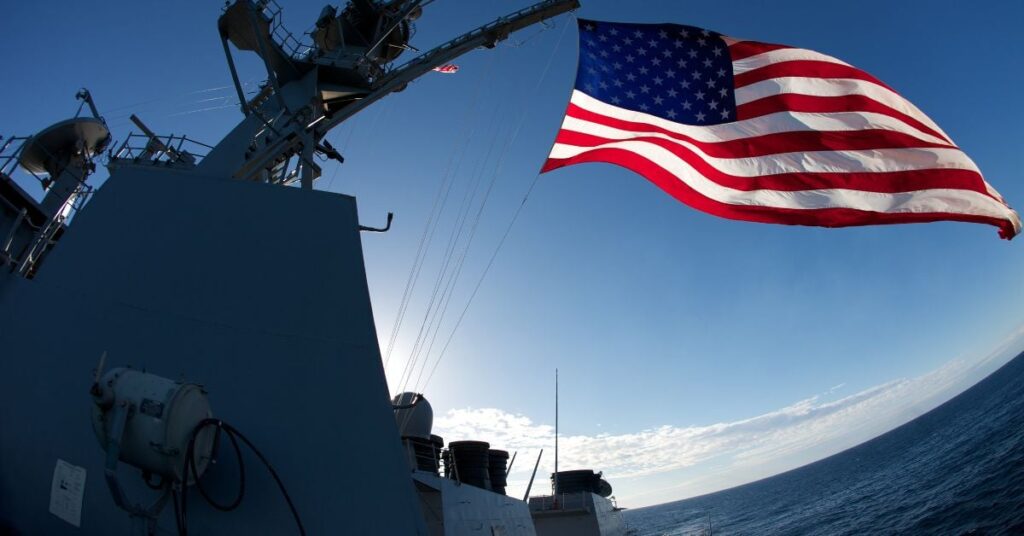
U.S. forces killed four individuals in a targeted strike on a suspected drug-smuggling vessel in the Caribbean Sea on September 19, 2026, marking the latest escalation in Washington’s military campaign against narco-trafficking networks. The operation, directed by U.S. Southern Command (SOUTHCOM), was executed by Joint Task Force Western Hemisphere and described as a “lethal, kinetic strike” on a go-fast vessel operating along established smuggling routes.
Confirmed intelligence indicated the vessel’s active involvement in narco-trafficking, according to SOUTHCOM’s statement. The four individuals killed were labelled ‘narco-terrorists’ by U.S. officials, a term that underscores the Trump administration’s framing of the campaign as a counterterrorism effort. The strike was the second in days, following another on Sunday that killed two people, ending a two-month pause, the longest interruption since the campaign began on September 2.
Why the Caribbean Sea Is the New Frontline in the Drug War
The Caribbean has long been a critical transit zone for cocaine and other narcotics bound for the U.S. and European markets. Go-fast vessels, small, high-speed boats capable of evading detection, are a favoured tool of cartels, often carrying multi-tonne shipments of cocaine. This latest strike brings the death toll from U.S. attacks on such vessels to over 220 since the campaign’s inception last year, according to UPI’s tally of 68 publicly acknowledged operations.
Royal Caribbean
SOUTHCOM, headquartered in Doral, Florida, oversees U.S. military operations in Latin America and the Caribbean. Its commander, Gen. Francis Donovan, has been vocal about the mission’s urgency. In a statement, Donovan declared: “We will hunt, disrupt and defeat these narco-terrorist networks.
SOUTHCOM is resolved to neutralizing cartel terror and violence throughout the region and into the U.S. homeland.” The general’s rhetoric aligns with President Trump’s characterization of the conflict as an ‘armed conflict’ with narco-terrorists, a framing that has drawn criticism from human rights groups.
The Trump administration’s campaign, dubbed Operation Southern Spear, initially secured support from Honduras, Guatemala, and Colombia. However, Guatemala later withdrew, while Ecuador has conducted similar missions with U.S. assistance since March 2026. The creation of Joint Task Force Western Hemisphere earlier this month, replacing Joint Task Force Southern Spear, signals an expansion of the effort, integrating military capabilities with 18 partner nations under the Americas Counter Cartel Coalition.
What’s Next for the U.S. Military’s Anti-Drug Campaign?
The strike on September 19 raises questions about the future of U.S. military intervention in the region. The Trump administration has made clear its intention to expand the campaign onto land, though specifics remain scarce. Defence Secretary Pete Hegseth confirmed that discussions with Latin American governments are ongoing, though Guatemala’s withdrawal highlights the fragility of regional alliances.
Critics, including legal and civil rights groups, have condemned the strikes as ‘extrajudicial killings’, arguing that the lack of judicial oversight violates international law. The term ‘narco-terrorist’ itself is contentious, with some analysts warning it could be used to justify broader military action without due process. Meanwhile, the human toll continues to mount: UPI reports that over 220 people have been killed in 68 strikes since the campaign’s launch.
For maritime stakeholders, the escalation has implications beyond the immediate conflict. The Caribbean’s role as a global shipping hub means heightened military activity could disrupt commercial routes, particularly for vessels transiting near known smuggling corridors. While SOUTHCOM insists operations are targeted, the risk of misidentification or collateral damage remains a concern for insurers and carriers.
The next phase of the campaign may hinge on regional cooperation. Ecuador’s collaboration since March 2026 offers a model, but broader buy-in from Latin American nations will be critical if the U.S. hopes to shift from maritime strikes to land-based operations. For now, the Caribbean Sea remains the primary battleground, and the body count continues to rise.
“We will hunt, disrupt and defeat these narco-terrorist networks. SOUTHCOM is resolved to neutralizing cartel terror and violence throughout the region and into the U.S. homeland.”
Gen. Francis Donovan·Commander, U.S. Southern Command
“Under the direction of #SOUTHCOM, Joint Task Force Western Hemisphere executed a lethal, kinetic strike on a go-fast vessel operating along established narco-trafficking routes in the Caribbean. Confirmed intelligence revealed the vessel’s active involvement in narco-trafficking. The operation killed four narco-terrorists.”
U.S. Southern Command·Official Statement


Sign up free to ask CAMAL AI for a summary, the key points or anything else about this story.
Related stories
CAMAL AI
 Financial Ports Newsletter
The maritime economy, every morning
Ports, shipping and freight markets in one short email. Free.
Financial Ports Newsletter
The maritime economy, every morning
Ports, shipping and freight markets in one short email. Free.