

17.46m TEUs: Why August’s box boom could fade by Christmas
Global box volumes hit 17.46 million TEUs in August, but CTS warns of slowing growth ahead
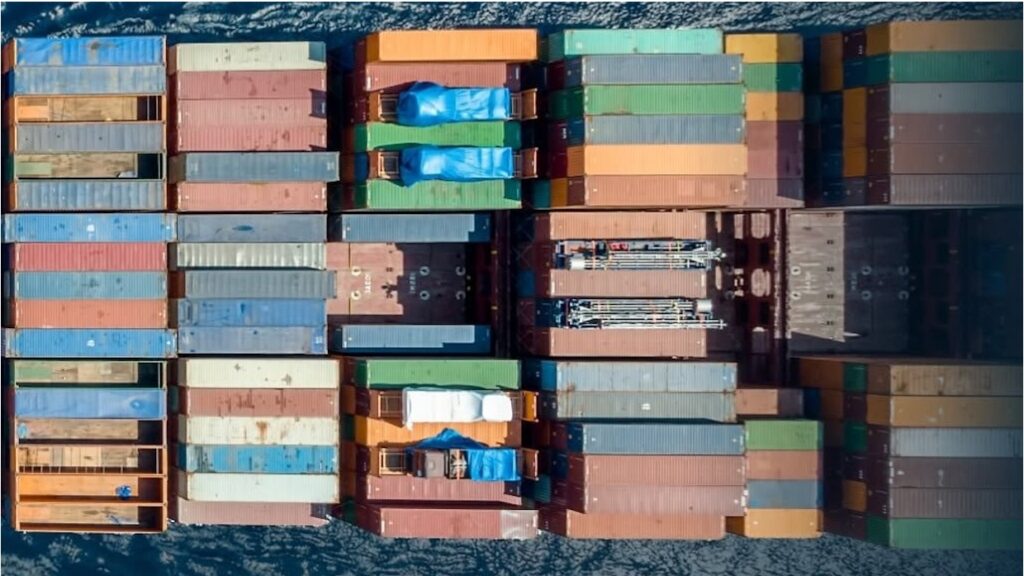
Global container shipping reached unprecedented levels in August, with volumes hitting a record 17.46 million twenty-foot equivalent units (TEUs), according to data from Container Trades Statistics (CTS). The milestone reflects a 3.7% increase from the previous month and a 7.2% rise compared to August 2024, underscoring robust growth despite persistent challenges in the sector.
The surge in container volumes coincided with a sharp rise in ocean freight rates. CTS’s Global Price Index reached 117 in August, its highest level since July 2024, when disruptions in the Red Sea strained shipping capacity. The index has jumped 50% since January 2026 and stands 44% above August 2025 levels, driven by rerouted vessels and constrained capacity on key trade lanes.
Freight rates climb to two-year high: container volumes
Analysts attribute the pricing pressures to ongoing disruptions, including elevated fuel costs, tensions in the Arabian Gulf, and constraints at the Panama Canal. These factors have forced carriers to adjust routes, increasing operational costs and tightening available capacity.
North American container imports showed signs of recovery, rising 2% year-to-date through August 2026 after a sluggish start to the year. The rebound was fueled by a 5% increase in trans-Pacific trade, as cargo flows from Asia rebounded from earlier disruptions caused by tariff uncertainties and typhoon-related congestion at major ports.
Sub-Saharan Africa emerged as the fastest-growing import market, with volumes surging 13% year-to-date. The region saw broad-based growth across most origin markets, except for the Indian Sub-Continent and Middle East, which recorded declines. Meanwhile, the combined Indian Sub-Continent and Middle East region was the only area to report lower imports, down 5%, and exports, which fell 10%—equivalent to nearly 1 million fewer TEUs.
Regional trade patterns shift
Asia continued to drive global export growth, with volumes rising 8% year-to-date, adding approximately 6.3 million TEUs compared to the same period in 2025. Every destination region saw gains in cargo originating from the Far East, with Sub-Saharan Africa and South and Central America leading in percentage terms. European exports, which had struggled earlier in the year, stabilized, returning to roughly flat growth as cargo flows improved across most destinations.
Despite the record volumes, CTS warned that slowing month-to-month growth could signal a moderation in demand as the industry approaches the final quarter of 2026. With disruptions likely to persist, the coming months will be critical in determining whether the current surge is a temporary spike or a sustained shift in global trade dynamics.


Sign up free to ask CAMAL AI for a summary, the key points or anything else about this story.
Related stories
CAMAL AI
 Financial Ports Newsletter
The maritime economy, every morning
Ports, shipping and freight markets in one short email. Free.



