

Yakamoz Expands to Fourth Turkish Port in Just Seven Weeks
The Med Marine-Marin Tug joint venture now operates 46 vessels across Ceyhan, Iskenderun and two Aliaga service areas.
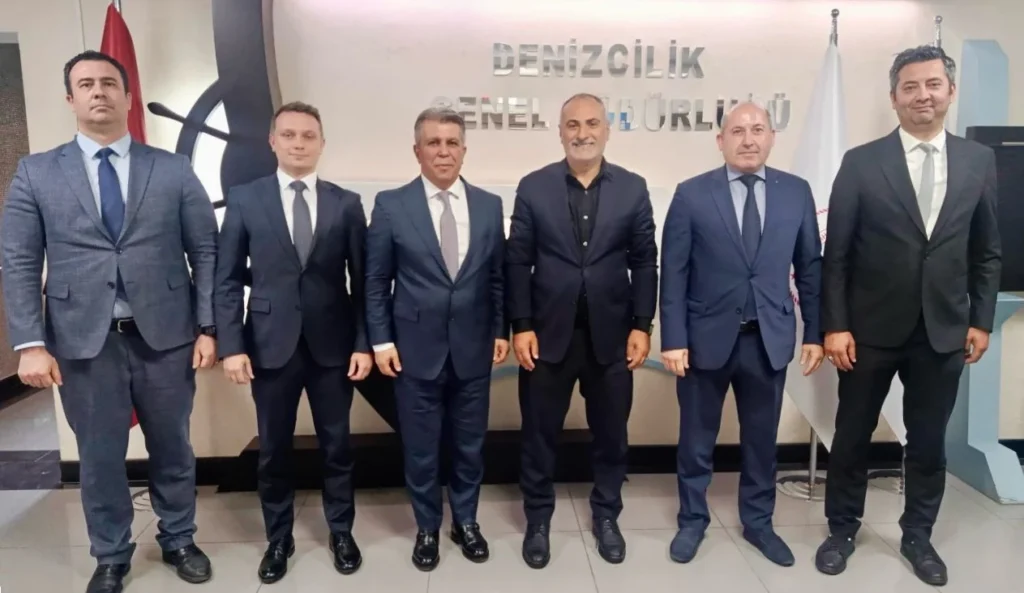
Yakamoz Joint Venture has extended its tugboat and mooring services to a fourth critical port area in Türkiye, reinforcing its position as a key player in the country’s maritime operations. The expansion into Aliaga 2, which began on 8 September, follows the launch of services in Ceyhan, Iskenderun, and Aliaga 1 just weeks earlier, underscoring the rapid growth of the joint venture’s operational footprint.
Yakamoz, a collaboration between Med Marine and Marin Tug, now operates a fleet of 46 vessels, comprising 32 tugboats and 14 mooring boats. This expansion is not merely a numerical increase but a strategic move to enhance efficiency and capacity in some of Türkiye’s busiest port regions. Tugboats play a pivotal role in maritime operations, assisting larger vessels in manoeuvring through narrow channels, docking, and undocking, tasks that are critical to maintaining smooth port operations and preventing congestion.
The addition of Aliaga 2 to Yakamoz’s network is particularly significant. Aliaga, located on Türkiye’s Aegean coast, is a hub for industrial activity, including shipbreaking, petrochemicals, and general cargo. The port’s strategic location makes it a vital node for both domestic and international trade, and the increased tugboat capacity is expected to streamline operations, reduce waiting times for vessels, and improve overall port productivity. This is especially relevant for industries reliant on just-in-time deliveries, where delays can result in substantial financial losses.
How Yakamoz’s Expansion Strengthens Türkiye’s Port Infrastructure
Yakamoz’s expansion also reflects broader trends in Türkiye’s maritime sector. The country’s ports have seen a steady increase in throughput over the past decade, driven by its strategic location between Europe and Asia. With this growth comes the need for enhanced support services, including tugboat operations, to ensure that ports can handle larger volumes of traffic without compromising safety or efficiency.
Yakamoz’s ability to deploy specialised vessels like the RAmparts 2500-W tugboats, such as MED Iskenderun and MED Ceyhan, built at EREGLI SHIPYARD, positions it as a key enabler of this growth.
The deployment of Yakamoz’s fleet across four service areas, Ceyhan, Iskenderun, Aliaga 1, and Aliaga 2, is a calculated response to the evolving demands of Türkiye’s maritime industry. Each of these regions serves distinct economic functions: Ceyhan and Iskenderun are critical for energy exports, particularly oil and gas, while Aliaga is a centre for industrial and general cargo. By establishing a presence in these areas, Yakamoz is not only diversifying its operational risk but also ensuring that it can cater to the specific needs of each port.
The Operational Impact of Yakamoz’s Fleet Deployment
The MED Iskenderun, assigned to the Gulf of Iskenderun, and the MED Ceyhan, deployed in the Aliaga 2 operational area, are prime examples of this tailored approach. These RAmparts 2500-W tugboats are designed for high-performance operations, offering superior manoeuvrability and bollard pull, critical factors in ports with challenging conditions or high traffic volumes. Their deployment underscores Yakamoz’s commitment to providing reliable, high-quality services that meet the demands of modern maritime logistics.
For stakeholders in Türkiye’s maritime sector, Yakamoz’s expansion brings several tangible benefits. Port authorities can expect reduced downtime for vessels, as the increased tugboat capacity allows for quicker turnaround times. Shipping companies, in turn, benefit from improved reliability and reduced risk of delays, which can translate into cost savings and more predictable supply chains. Additionally, the presence of a robust tugboat fleet enhances safety, particularly in ports with complex navigation requirements or adverse weather conditions.
Looking ahead, Yakamoz’s growth trajectory suggests further expansions may be on the horizon. The joint venture’s ability to rapidly deploy its fleet across multiple service areas demonstrates a scalable model that could be replicated in other regions. For now, however, the focus remains on consolidating its presence in Türkiye’s key port areas and delivering on its promise of operational excellence. As the maritime industry continues to evolve, Yakamoz’s role in supporting trade and logistics in the region is set to become even more critical.


Sign up free to ask CAMAL AI for a summary, the key points or anything else about this story.
Related stories
CAMAL AI
 Financial Ports Newsletter
The maritime economy, every morning
Ports, shipping and freight markets in one short email. Free.
Financial Ports Newsletter
The maritime economy, every morning
Ports, shipping and freight markets in one short email. Free.



