

India’s Auto Exports Stranded as West Asia Conflict Dries Up Ships
Maruti Suzuki and Hyundai report August shipments hit by a lack of vessels amid the West Asia conflict.
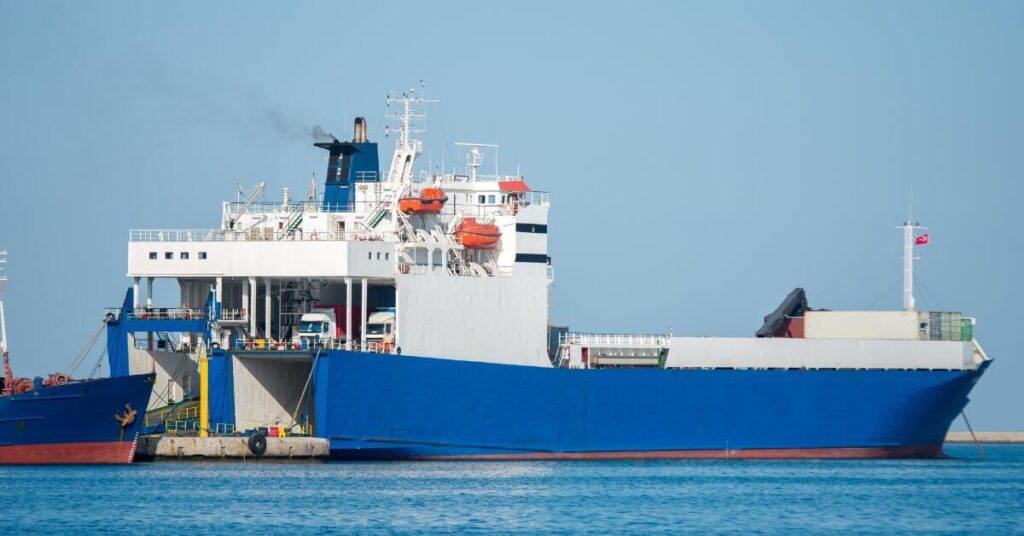
India’s auto export sector faced significant disruptions in August due to a shortage of vessels, a problem linked to the ongoing conflict in West Asia. Leading manufacturers Maruti Suzuki and Hyundai Motor India reported that while demand for their vehicles remained strong, logistical challenges prevented timely shipments.
Maruti Suzuki, the country’s largest passenger vehicle exporter, shipped 33,844 units in August, a decline of 2,694 vehicles compared to the same month last year. Rahul Bharti, the company’s Senior Executive Officer for Corporate Affairs, attributed the drop to a lack of available ships. “Demand is strong across all our markets, and we have vehicles ready at ports. The issue is the shortage of vessels to transport them,” he explained.
Shipping bottlenecks hit key exporters: West Asia
The shortage stems from international shipping liners adjusting their routes due to the conflict in West Asia. Bharti warned that the problem could persist for some time but noted that Maruti’s diversified presence in 120 markets helps mitigate the impact.
Hyundai Motor India, the second-largest exporter, also reported disruptions. Tarun Garg, the company’s Managing Director and CEO, cited “logistical constraints” caused by the West Asia conflict and broader geopolitical tensions. Despite the challenges, Garg expressed optimism that exports would rebound as conditions improve.
Despite the August decline, Maruti Suzuki’s exports for the fiscal year remain robust. Between April and August, the company shipped 188,636 vehicles, a 14.1% increase over the same period last year. Bharti emphasized that the company’s strong market presence—including in Latin America and the Middle East—helps sustain growth.
Long-term resilience amid short-term setbacks
Maruti’s dominance in India’s export market is evident, with its shipments between April and July exceeding those of the other 17 domestic manufacturers combined. The company’s Fronx SUV has also achieved a milestone, surpassing 200,000 export units in under 38 months, while its electric SUV, the eVitara, has reached 46,000 exports in its first year.
Bharti acknowledged the challenges but remained confident in the company’s resilience. “It’s a volatile global environment, but our exports are expected to stay strong,” he said, adding that demand and momentum remain steady despite the shipping constraints.


Sign up free to ask CAMAL AI for a summary, the key points or anything else about this story.
Related stories
CAMAL AI
 Financial Ports Newsletter
The maritime economy, every morning
Ports, shipping and freight markets in one short email. Free.
Financial Ports Newsletter
The maritime economy, every morning
Ports, shipping and freight markets in one short email. Free.



