

India’s 2027 Arctic Gambit: Why the Northern Sea Route Could Reshape
New Delhi plans its first cargo transit via Russia’s Arctic corridor in 2027, cutting voyage times by half and challenging Western trade dominance as geopolitical tensions rise.
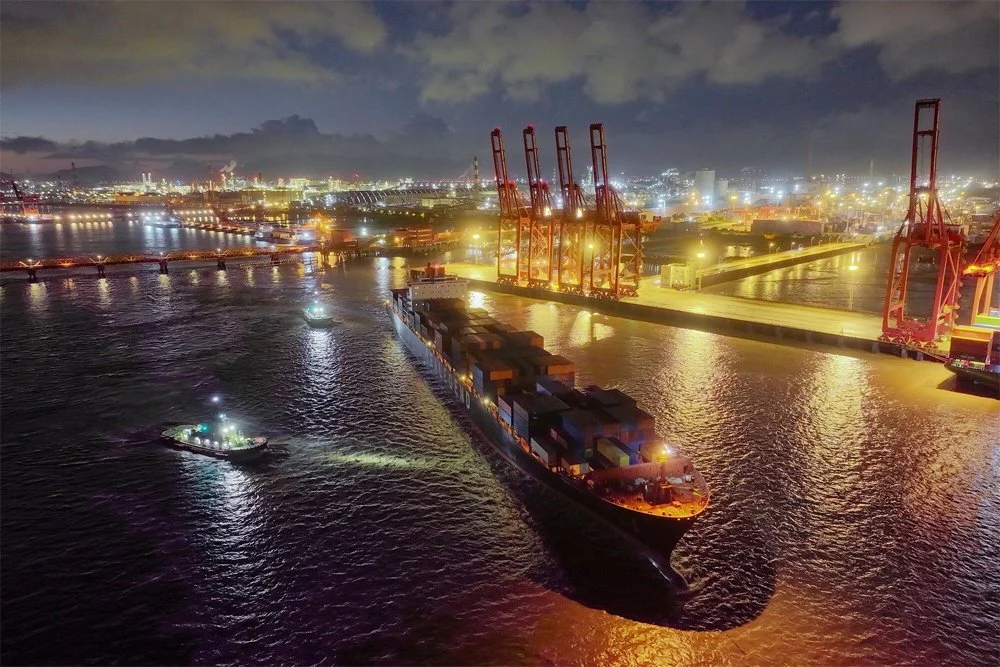
India is set to test the Northern Sea Route (NSR) for the first time in 2027, joining China in exploring the Arctic shortcut to Europe. The move follows a 70% surge in trade volumes between Chennai and Vladivostok, as Russian officials push to expand economic ties with New Delhi. Governor Aleksandr Tsybulsky of Russia’s Arkhangelsk region confirmed the plan, framing it as an opportunity to boost shipbuilding for India and facilitate cargo flows along the NSR.
The NSR, which runs along Russia’s northern coast, offers a faster alternative to traditional shipping lanes like the Suez Canal or the Cape of Good Hope. A voyage from Asia to Europe via the NSR takes 18 to 20 days, compared to 40 days through Suez. However, the route’s reliance on icebreaker assistance and its limited seasonal window—typically August to October for container ships—pose significant challenges.
China Leads the Way with Regular Arctic Service: Route
China has already launched a regular container service on the NSR, with its first vessel, the Dubai Tower, departing Ningbo on August 15. Operated by Sea Legend Line, the ship is scheduled to reach Felixstowe in the UK by September 7, carrying high-value cargo such as energy storage systems, power batteries, and automotive components. The company has planned eight round trips for 2026, with the first two fully booked and demand exceeding expectations.
Natural Gas
Chinese officials highlight the route’s advantages for temperature-sensitive goods, including precision instruments and new-energy batteries. They also emphasize the NSR’s potential to serve high-value industries in the Yangtze River Delta, despite Western opposition. Last year, 23 containerships and 206 LNG tankers used the route, signaling growing interest in Arctic shipping.
Risks and Geopolitical Stakes
The NSR’s appeal is not without risks. Ice floes can disrupt transits, and navigation remains hazardous even with icebreaker support. A Russian insurance company recently paid $650,000 for hull damage sustained by a tanker in Arctic waters, underscoring the route’s operational challenges. Vessels must be ice-classified, and operators face higher insurance premiums due to the harsh conditions.
For Russia, the NSR is a strategic priority, with President Vladimir Putin framing it as a key driver of economic cooperation with Asian partners. India’s planned 2027 voyage will test the route’s viability for non-Russian and non-Chinese shippers. If successful, it could pave the way for broader adoption, further integrating the Arctic into global trade networks. However, the route’s long-term success hinges on Russia’s ability to manage infrastructure, ice risks, and geopolitical complexities.


Sign up free to ask CAMAL AI for a summary, the key points or anything else about this story.
Related stories
CAMAL AI
 Financial Ports Newsletter
The maritime economy, every morning
Ports, shipping and freight markets in one short email. Free.
Financial Ports Newsletter
The maritime economy, every morning
Ports, shipping and freight markets in one short email. Free.



