

Russia’s Arctic Route Hits 7m Tonnes as Shippers Ditch Suez
Rosatom forecasts 7 million tonnes of transit cargo in 2026, a 100% jump as icebreakers open longer sailing windows.
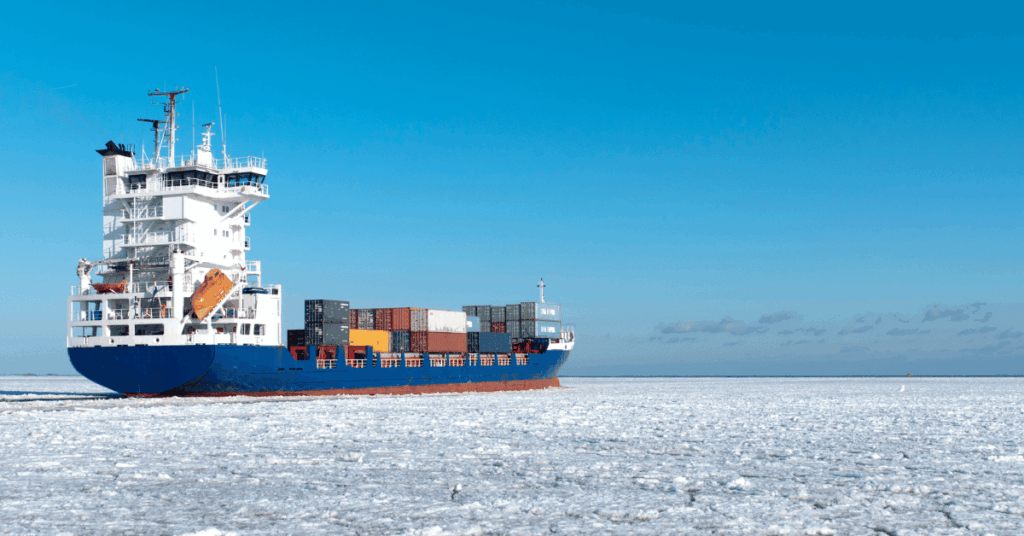
Russia has set an ambitious target for its Northern Sea Route, projecting cargo transits to more than double by 2026 and reach a record 7 million tonnes. The forecast was announced by Vladimir Panov, Rosatom’s Special Representative for Arctic Development, in a late-October interview. The state nuclear corporation, which manages Russia’s fleet of nuclear icebreakers, also expects total cargo traffic along the route to surpass 40 million tonnes this year, a new high.
The Northern Sea Route offers a faster alternative for voyages between East Asia and Northwest Europe during the summer and fall. According to Panov, the route can be up to 30% shorter than the traditional Suez Canal passage, reducing charter costs and accelerating delivery times. “The Northern Sea Route has two competitive advantages: efficiency and security,” he stated. “Businesses are already choosing the NSR, as the numbers show.”
Why Shippers Are Turning to the Arctic: northern sea route
Containerized cargo is driving much of the growth. Transit voyages are projected to rise from 23 in 2025 to 46 in 2026, while shipment volumes are expected to hit 600,000 tonnes, marking a new record for the route.
Despite the increase, Russia’s long-term goals for the Northern Sea Route remain out of reach. President Vladimir Putin had aimed for 80 million tonnes of cargo traffic by 2024, but actual volumes fell short by more than half. The route handled 37.9 million tonnes in 2024 before dipping to 37.02 million tonnes in 2025, a 2.3% decline, the first since 2022, according to Russian consultancy Gekon.
Growth Amid Unmet Ambitions
The route’s expansion has been uneven. While transit cargo (excluding Arctic-extracted commodities) is growing, it still represents a small fraction of overall traffic. Russia’s partnership with China, however, could accelerate development. In October 2023, the two countries agreed to boost mutual cargo traffic along the Northern Sea Route to 50 million tonnes annually by 2030, reflecting Beijing’s interest in alternative shipping lanes.
Though the Arctic corridor is gaining traction, it remains far from rivaling the Suez Canal. Still, with Rosatom forecasting continued growth, the Northern Sea Route is set to play a larger role in global maritime trade.


Sign up free to ask CAMAL AI for a summary, the key points or anything else about this story.
Related stories
CAMAL AI
 Financial Ports Newsletter
The maritime economy, every morning
Ports, shipping and freight markets in one short email. Free.



