

Russia to unlock year-round Arctic shipping by early 2027
Moscow targets regular eastbound sailings as cargo volumes surge past 40m tonnes and nuclear icebreakers multiply.
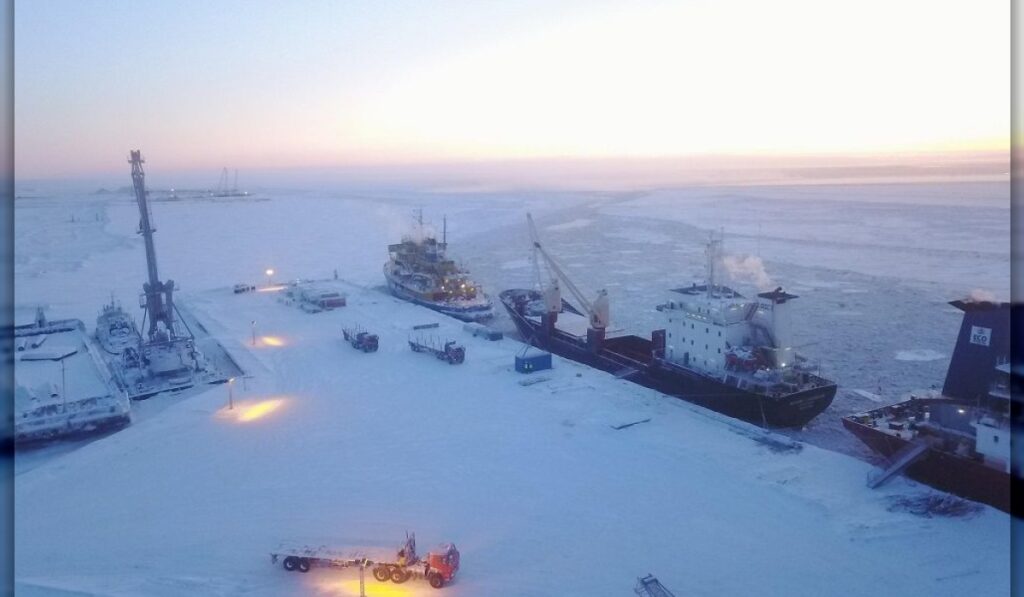
Russia is set to launch regular year-round eastbound shipping along the Northern Sea Route (NSR) in early 2027, as Arctic traffic reaches record levels amid shifts in global trade patterns. Vladimir Panov, who leads Rosatom’s Arctic Directorate, announced this week that preparations for winter sailings to Asia are in their final stages. One of Russia’s major cargo exporters is expected to begin year-round shipments early next year, though the company has not been named.
The expansion follows a surge in Arctic shipping activity. Rosatom reports that cargo volumes on the NSR have already exceeded last year’s total of 37.2 million tonnes, with full-year throughput projected to surpass 40 million tonnes. Transit cargo is a key driver of this growth, with Panov predicting volumes will nearly double to over 7 million tonnes in 2026.
Container voyages are also rising sharply, from 23 last year to an expected 46 this year. Tankers, in particular, have seen a significant increase, with Russian oil exports through the Arctic reaching roughly 20 million barrels between July and mid-October, a 50% jump compared to the same period last year.
Natural Gas
The push for year-round navigation is supported by expanded icebreaker capacity. Russia plans to commission the nuclear-powered Chukotka early next year, bringing its operational fleet to nine vessels. Two new Arctic-class LNG carriers have also been delivered from the Zvezda shipyard, reinforcing the route’s infrastructure.
Environmental concerns grow as Arctic shipping expands
The rapid increase in Arctic shipping has raised alarms among environmental groups. Dr. Sian Prior, lead advisor to the Clean Arctic Alliance, warned earlier this year that growing commercial activity would lead to “increased climate impacts, increased pollution, and increased loss of biodiversity.” One of the most pressing issues is black carbon emissions from ships burning fossil fuels. When these particles settle on snow and ice, they reduce the surface’s ability to reflect sunlight, accelerating melting.
Research from Lausanne’s Swiss Federal Institute of Technology found that exhaust from a single vessel can alter Arctic cloud formation, potentially causing 1 mm of additional ice melt per day within about 100 meters of the ship’s path. The risk of oil spills also looms larger as tanker traffic increases. Harsh Arctic conditions and limited emergency response infrastructure make containment particularly difficult, a challenge Panov acknowledged when noting the need for further investment in convoy speeds, communications, and medical infrastructure.
The timing of Russia’s push for year-round Arctic shipping aligns with geopolitical and economic pressures. From January 2027, the European Union’s ban on Russian LNG imports under long-term contracts will take effect, pushing Moscow to redirect energy exports toward Asia.
Regular eastbound shipments would allow companies like Novatek, Russia’s largest LNG producer, to transport more cargo from Arctic facilities to Asian markets, bypassing Western sanctions. Novatek’s LNG operations and Rosneft’s Vostok Oil project, which has already completed six shipments, have demonstrated the route’s potential.
As Russia moves to establish the NSR as a reliable year-round trade lane, the environmental consequences remain a pressing concern. The Arctic’s fragile ecosystem, already under strain from climate change, now faces additional threats from increased shipping activity.


Sign up free to ask CAMAL AI for a summary, the key points or anything else about this story.
Related stories
CAMAL AI
 Financial Ports Newsletter
The maritime economy, every morning
Ports, shipping and freight markets in one short email. Free.



