

Ukraine drone strike cripples Russia’s Baltic oil hub: 44 drones downed
Ukrainian forces hit Novatek’s Ust-Luga complex, sparking fires and halting crude distillation units.
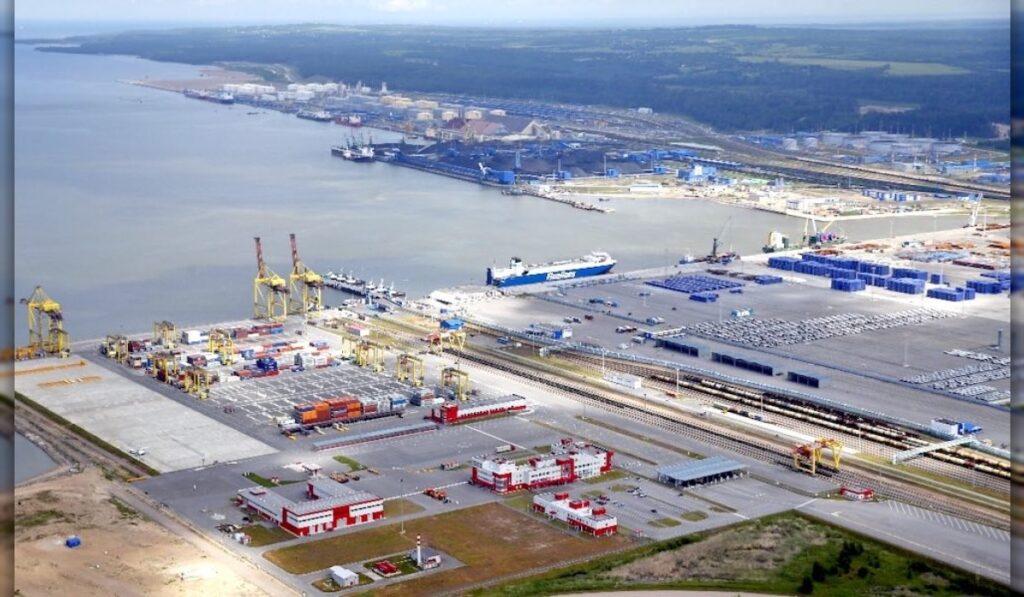
Ukrainian drones struck Russia’s Ust-Luga port in the early hours of Tuesday, igniting fires and disabling key oil-processing units at the Novatek complex, a critical Baltic export hub for crude, LNG, and fertilisers. Russian authorities reported shooting down 38 drones across Leningrad region, with 17 intercepted near the port, as emergency crews battled the blaze.
Ukraine’s military intelligence agency (HUR) confirmed the attack, stating its Active Operations and Unmanned Systems departments targeted the Novatek-Ust-Luga facility in a joint operation with defence forces. The strike damaged an oil-processing unit and other technological equipment, triggering a large fire captured in Telegram footage.
Ust-Luga: Russia’s vulnerable energy artery: ust-luga port
Ust-Luga, located west of St. Petersburg, is one of Russia’s largest and most strategically vital ports, handling vast volumes of crude oil, petroleum products, coal, LNG, and fertilisers. The port’s oil terminal serves as a major export hub, generating significant revenue for the Kremlin, making it a prime target for Ukrainian deep-strike campaigns. Tuesday’s attack follows a pattern of escalating assaults: on August 14, drones struck Novatek-linked facilities, while a March 25 strike set the gas condensate complex ablaze, destroying at least eight storage tanks.
Brent Crude
Alexander Drozdenko, governor of Leningrad region, acknowledged damage within the port zone but claimed air defences had repelled the attack. However, the suspension of two crude distillation units at the Yanos refinery, one of Russia’s five largest, signals severe operational disruption.
Since the onset of the war, Ukrainian forces have increasingly focused on disrupting supply chains that fund Moscow’s military operations. The port’s role in exporting liquefied natural gas (LNG) and petroleum products makes it a high-value target, as these commodities are critical to Russia’s budget and its ability to sustain prolonged conflict.
Baltic shipping on high alert after repeated strikes
Russia has bolstered security around Baltic shipping routes in response to the attacks, including mandatory underwater hull inspections for tankers calling at Ust-Luga. Analysts warn that further strikes could force Russia to reroute energy exports, increasing shipping costs and delaying deliveries to global markets. The Baltic Sea, a critical corridor for Russian energy shipments, has become a flashpoint in the conflict, with Ukraine’s drone strikes extending the battlefield beyond traditional frontlines.
These steps, however, have not deterred Ukrainian attacks. Satellite imagery from previous strikes revealed extensive damage to storage tanks and processing units, underscoring the port’s vulnerability despite Russia’s efforts to fortify its defences.
The attacks have also prompted concerns among shipping insurers, who have raised premiums for vessels operating in the Baltic Sea. Some operators have begun avoiding Ust-Luga in favour of alternative Russian ports, such as Primorsk or Vysotsk, though these lack the same capacity for large-scale energy exports. The rerouting of cargo has led to bottlenecks and delays, further straining Russia’s ability to maintain steady export volumes. For global markets, the disruptions at Ust-Luga contribute to volatility in oil and gas prices, particularly as winter demand approaches in Europe.
The attack also underscores Ukraine’s growing capability to hit targets deep inside Russian territory. HUR’s statement framed the operation as a direct blow to Russia’s war machine, stating: “On 1 September 2024, operators from the Active Operations Department and the Unmanned Systems Department of DIU, as part of a joint deep-strike operation with Ukraine’s defence forces, struck the Novatek-Ust-Luga facility in Russia’s Leningrad Oblast.” The use of long-range drones has allowed Ukraine to project power far beyond its borders, targeting infrastructure that sustains Russia’s economy and military logistics.
This shift in tactics has forced Moscow to allocate additional resources to air defence systems, diverting assets from other fronts.
For industry stakeholders, the repeated strikes on Ust-Luga serve as a stark reminder of the vulnerabilities in Russia’s energy export infrastructure. The port’s role in handling nearly a fifth of Russia’s seaborne oil exports makes it a critical node in global supply chains. Disruptions here can have cascading effects, from delayed shipments to European refiners to increased freight costs for Asian buyers. The attacks have also highlighted the limitations of Russia’s air defence networks, which have struggled to intercept Ukrainian drones despite significant investment in countermeasures.
Looking ahead, analysts expect Ukraine to continue targeting Ust-Luga and other key energy hubs as part of its strategy to weaken Russia’s war economy. Moscow, meanwhile, is likely to accelerate efforts to shield its infrastructure, potentially deploying more advanced air defence systems or increasing military patrols in the Baltic Sea. For global markets, the situation underscores the fragility of energy supply chains in a time of geopolitical conflict, with Ust-Luga emerging as a symbol of the broader struggle for control over critical infrastructure.
The repeated strikes on Ust-Luga have sent ripples through global energy markets, particularly in Europe, where some buyers remain dependent on Russian oil and gas despite sanctions. The port’s role as a major export hub for crude, LNG, and petroleum products means that disruptions here can lead to supply shortages and price spikes.
In the short term, the attacks have already contributed to volatility in oil prices, with Brent crude futures reacting to each new incident at the port. Traders are closely monitoring developments, as further strikes could force Russia to reduce export volumes or seek alternative routes, potentially increasing shipping costs.
For European refiners, the disruptions at Ust-Luga pose a challenge, particularly as winter demand for heating oil and diesel rises. While many European countries have reduced their reliance on Russian energy, some industries remain exposed to supply chain disruptions.
The attacks have also highlighted the risks of over-reliance on a single export hub, prompting calls for greater diversification in energy sourcing. In response, some European buyers have begun exploring alternative suppliers, including Norway, the United States, and the Middle East, though these shifts take time and come with their own logistical challenges.
The attacks on Ust-Luga are part of a broader trend of Ukrainian strikes targeting Russia’s energy infrastructure. Since the onset of the war, Ukraine has increasingly focused on disrupting supply chains that fund Moscow’s military operations. The port’s role in exporting LNG and petroleum products makes it a high-value target, as these commodities are critical to Russia’s budget. The strikes have also underscored the vulnerability of Russia’s export infrastructure, which remains exposed to long-range drone attacks despite efforts to bolster air defences.
For shipping companies, the attacks have introduced new risks to operations in the Baltic Sea. Insurers have raised premiums for vessels calling at Ust-Luga, and some operators have begun avoiding the port altogether. The rerouting of cargo has led to bottlenecks at alternative Russian ports, such as Primorsk and Vysotsk, which lack the same capacity for large-scale energy exports.
These delays have contributed to higher freight costs, further straining global supply chains. The situation has also prompted calls for greater coordination among NATO members to monitor and secure shipping routes in the Baltic Sea, particularly as the conflict shows no signs of abating.
“Russian air defences intercepted 38 drones across the region, including 17 near Ust-Luga, but damage within the port zone was confirmed.”
Alexander Drozdenko·Governor of Leningrad region
With Ust-Luga repeatedly targeted, industry observers expect Russia to accelerate efforts to shield its energy infrastructure. Yet, as Tuesday’s strike proves, even fortified ports remain vulnerable to Ukraine’s expanding drone arsenal. For global markets, the situation serves as a reminder of the interconnectedness of energy supply chains and the risks posed by geopolitical conflict. As the war continues, the fate of Ust-Luga will remain a key barometer of Ukraine’s ability to disrupt Russia’s war economy and the resilience of global energy markets.


Sign up free to ask CAMAL AI for a summary, the key points or anything else about this story.
Related stories
CAMAL AI
 Financial Ports Newsletter
The maritime economy, every morning
Ports, shipping and freight markets in one short email. Free.
Financial Ports Newsletter
The maritime economy, every morning
Ports, shipping and freight markets in one short email. Free.



