

Trump slaps 100% tariffs on Russian oil buyers—China hits back
New US law targets Russia’s shadow fleet and allows 100% tariffs on goods from top buyers China and India.
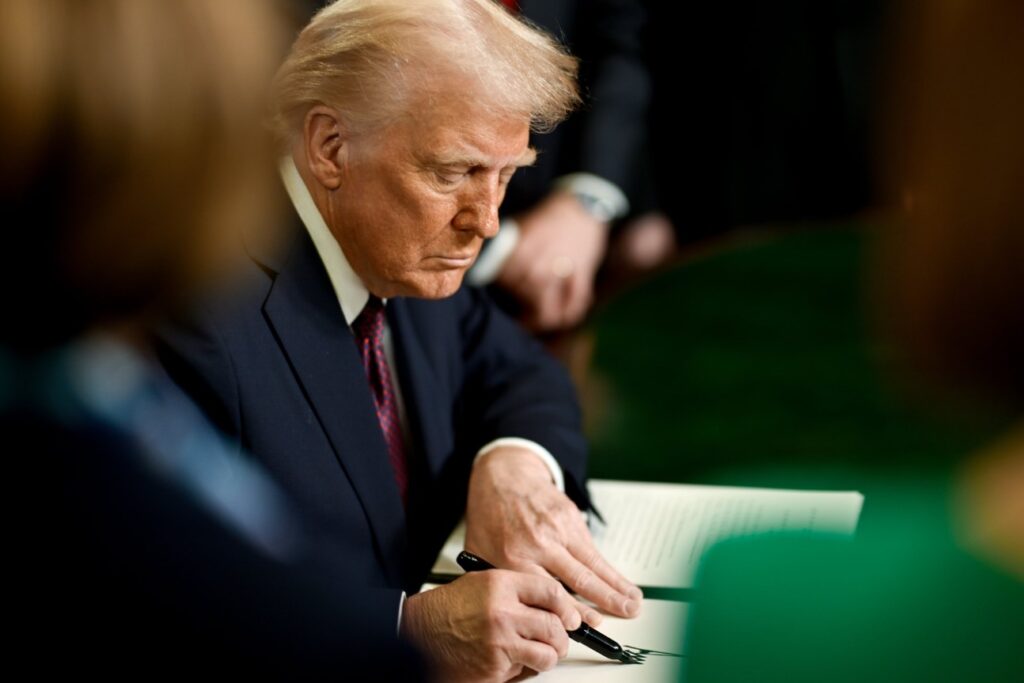
President Donald Trump has signed into law a new sanctions package aimed at disrupting Russia’s oil trade and the tanker fleet that sustains it. The Lindsey O. Graham Sanctioning Russia and Iran Act of 2026, confirmed by the White House on Friday, expands existing restrictions on Moscow while extending measures against Iran. The legislation introduces tools to target Russia’s so-called shadow fleet and authorizes tariffs of up to 100% on imports from countries purchasing Russian oil and gas.
The law does not immediately impose tariffs but creates a mechanism for the U.S. to act if it chooses. Key provisions allow Washington to penalize vessels, insurers, and operators involved in transporting Russian oil outside the price cap set by the G7. The measures put pressure on major buyers, particularly China and India, which together account for the bulk of Russian crude exports.
Analysts warn the legislation could fragment the global tanker market, pushing some ships into riskier, less regulated trades. The threat of tariffs may also prompt buyers to reduce purchases of Russian oil preemptively, tightening global supply and potentially raising prices. Over time, the sanctions could force Moscow to offer deeper discounts or risk losing access to critical markets.
Impact on global oil markets: Russian
Beijing responded swiftly to the new law, with China’s Ministry of Commerce condemning what it described as unilateral and secondary sanctions. In a statement, the ministry said it would monitor U.S. actions closely and reserved the right to take steps to safeguard Chinese companies and national interests.
The reaction underscores the growing tension between Washington and Beijing over energy trade. While the law does not automatically trigger tariffs, the mere possibility has already begun to reshape market dynamics, with buyers and sellers recalibrating their strategies in response.


Sign up free to ask CAMAL AI for a summary, the key points or anything else about this story.
Related stories
CAMAL AI
 Financial Ports Newsletter
The maritime economy, every morning
Ports, shipping and freight markets in one short email. Free.
Financial Ports Newsletter
The maritime economy, every morning
Ports, shipping and freight markets in one short email. Free.



