

Transpacific rates hit $11,259 as Europe gap smashes records
Asia-US East Coast spot rates surge to $11,259 per feu while Asia-Europe plunges to $4,103, creating a $7,100 gap.
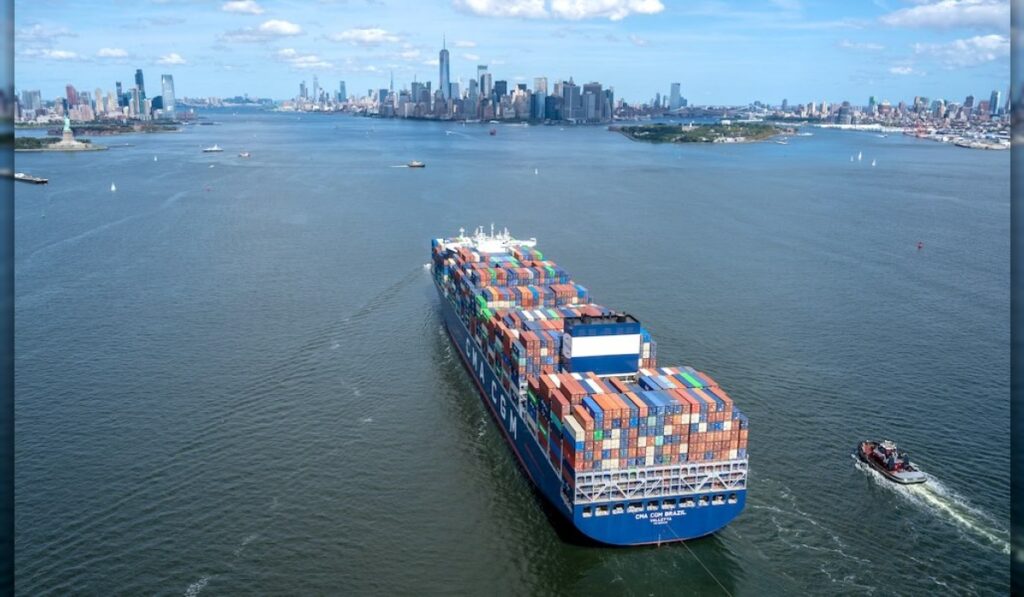
The global container shipping market is experiencing an unprecedented divide between its two major east-west trade routes. While transpacific freight rates continue to climb, Asia-Europe rates are falling, creating the largest gap ever recorded between the two.
On September 17, spot rates from Asia to the US East Coast reached $11,259 per forty-foot equivalent unit (feu), just 11.2% below the pandemic-era peak set in January 2022. Meanwhile, rates from Asia to North Europe stood at $4,103 per feu, resulting in a record differential of over $7,100 per feu. Clarksons Research described this trend as “geographic divergence,” noting that Shanghai-North Europe rates dropped 5% week-on-week to $2,425 per twenty-foot equivalent unit (teu).
Structural factors driving the divide: Europe
The widening gap stems from contrasting market conditions. On the Asia-Europe route, more shipping services are resuming operations through the Red Sea, reducing the need for longer detours around the Cape of Good Hope. This has eased capacity constraints and lowered freight rates, even as other shipping sectors benefit from Middle East disruptions.
In contrast, the transpacific trade is being bolstered by strong cargo demand and disciplined capacity management by carriers. Xeneta’s chief analyst, Peter Sand, stated that shipping companies are “seizing the opportunity while the market is hot,” with expectations of further rate increases around the start of October, coinciding with China’s Golden Week holiday. Despite a 6-7% increase in offered capacity from Asia to the US East Coast in September, rates have continued to rise.
Intra-Asia market hits new highs
While the transpacific and Asia-Europe trades move in opposite directions, the intra-Asia market is setting new records. Drewry’s Intra-Asia Container Index climbed 6% last week to $1,402 per feu, marking its fourth consecutive record high. The surge is attributed to geopolitical tensions, recent typhoons, and limited capacity, with pre-Golden Week demand from China further pushing rates upward.
As Golden Week approaches, carriers are likely to seek additional rate hikes on the transpacific route. Meanwhile, the Asia-Europe trade may continue to face downward pressure as capacity normalizes and more vessels return to traditional shipping lanes.
“Carriers are seizing the opportunity while the market is hot, and we expect another rate push around the start of October.”
Peter Sand·Chief analyst at Xeneta


Sign up free to ask CAMAL AI for a summary, the key points or anything else about this story.
Related stories
CAMAL AI
 Financial Ports Newsletter
The maritime economy, every morning
Ports, shipping and freight markets in one short email. Free.
Financial Ports Newsletter
The maritime economy, every morning
Ports, shipping and freight markets in one short email. Free.