

$250m Subsea Deal: TechnipFMC Lands Petronas’ Limbayong Fast-Track
TechnipFMC secures integrated EPCI contract for Malaysia’s 1,200m-deep Limbayong field, cutting cycle time.
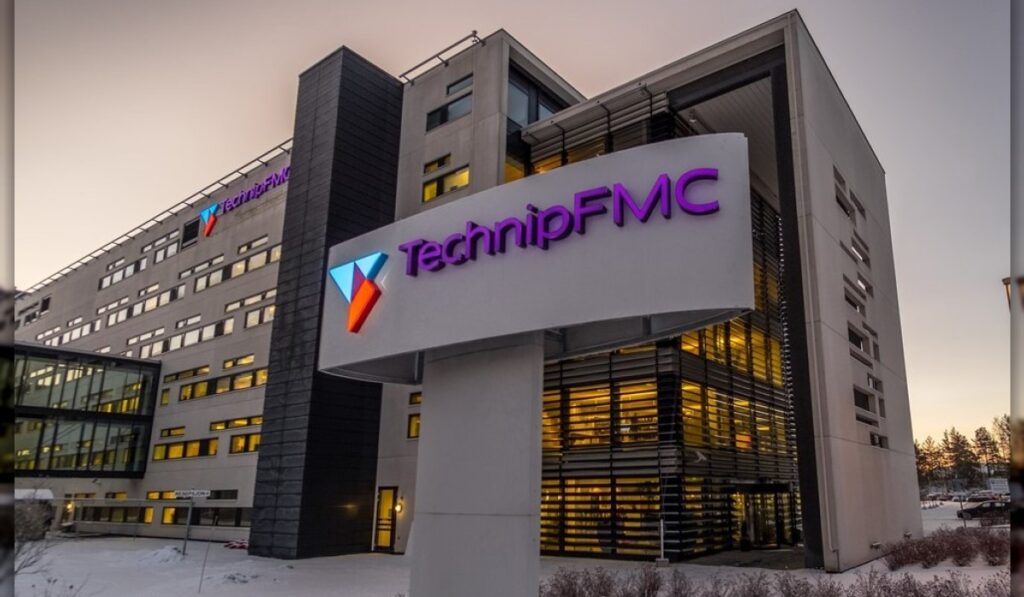
TechnipFMC has secured a major integrated engineering, procurement, construction, and installation (iEPCI) contract from Petronas Carigali for the Limbayong deepwater project offshore Malaysia, marking a critical step in the fast-track development of the oil and gas field.
The contract, awarded to TechnipFMC’s subsidiary FMC FMC Wellhead Equipment, covers the entire subsea scope of the Limbayong development, which lies approximately 120 km offshore Sabah in water depths ranging from 900 to 1,200 m. While the exact value of the deal remains undisclosed, TechnipFMC has classified it as ‘significant’, placing it within the $75 million to $250 million range. The award will be reflected in the company’s inbound orders for the third quarter of 2026.
Why this contract matters for Malaysia’s offshore sector: TechnipFMC
Limbayong project is a greenfield development targeting both oil and non-associated gas, discovered through the Limbayong-1 well in 2002 and the Limbayong-2 appraisal well in 2013. After years of delays, Petronas confirmed in late August that the project had secured final investment decision (FID) approval during the first half of 2026, paving the way for this contract.
Brent Crude
TechnipFMC will leverage its Subsea 2.0 configure-to-order (CTO) platform and iEPCI execution model to streamline the project. Subsea 2.0 platform is designed to reduce project cycle times by standardising subsea equipment configurations, allowing for faster delivery and lower costs. This approach is particularly critical for deepwater developments like Limbayong, where operational efficiency can significantly impact project economics.
Jonathan Landes, President of Subsea at TechnipFMC, emphasised the strategic importance of the award:
“This award builds on a continued relationship with PETRONAS. Through our integrated approach and Subsea 2.0® CTO platform, we can provide a unique solution focused on improving project economics, accelerating delivery and enhancing project execution for Malaysia’s offshore energy sector.”
Jonathan Landes·President, Subsea at TechnipFMC
What’s next for the Limbayong project?
Limbayong field’s development has been closely watched by industry analysts, given its potential to boost Malaysia’s offshore energy production. The project’s FID approval earlier this year signalled a renewed commitment from Petronas to advance deepwater exploration, despite the challenges posed by volatile oil prices and the global push for energy transition.
For TechnipFMC, the contract reinforces its position as a key player in the subsea engineering sector, particularly in the Asia-Pacific region. The company’s integrated iEPCI model, which combines engineering, procurement, construction, and installation into a single contract, is increasingly favoured by operators for its ability to reduce interface risks and improve project efficiency. This model has been successfully deployed in other major offshore projects, including those in the North Sea and the Gulf of Mexico.
Limbayong contract also highlights the growing importance of deepwater projects in Southeast Asia, where national oil companies like Petronas are investing heavily to offset declining production from mature fields. The region’s deepwater reserves are seen as a critical resource for meeting future energy demand, particularly as onshore and shallow-water fields become depleted.
TechnipFMC’s role in the project will involve the design, fabrication, and installation of subsea production systems, including wellheads, trees, and control systems. The company’s Subsea 2.0 platform, which features modular and standardised components, is expected to play a pivotal role in ensuring the project stays on schedule. The platform’s configure-to-order capabilities allow for rapid customisation to meet specific project requirements, reducing lead times and improving overall project execution.
As the project moves forward, industry observers will be closely monitoring its progress, particularly given the technical challenges associated with deepwater operations. Water depths of up to 1,200 m present significant engineering hurdles, including high-pressure environments, complex seabed conditions, and the need for advanced remotely operated vehicles (ROVs) for installation and maintenance. TechnipFMC’s experience in deepwater projects, combined with its integrated approach, positions it well to address these challenges.
The contract’s inclusion in TechnipFMC’s inbound orders for the third quarter of 2026 underscores the company’s confidence in the project’s timeline. However, the offshore sector remains susceptible to external factors such as commodity price fluctuations, regulatory changes, and geopolitical risks. For now, the Limbayong project represents a significant opportunity for both TechnipFMC and Petronas to demonstrate the viability of deepwater developments in the region.
For stakeholders in Malaysia’s energy sector, the project’s success could serve as a blueprint for future deepwater developments, potentially unlocking additional reserves and bolstering the country’s energy security. With the global energy landscape evolving rapidly, projects like Limbayong will play a crucial role in ensuring a stable supply of hydrocarbons while the world transitions to cleaner energy sources.


Sign up free to ask CAMAL AI for a summary, the key points or anything else about this story.
Related stories
CAMAL AI
 Financial Ports Newsletter
The maritime economy, every morning
Ports, shipping and freight markets in one short email. Free.
Financial Ports Newsletter
The maritime economy, every morning
Ports, shipping and freight markets in one short email. Free.



