

US Supreme Court ends Garten Trucking’s fight against union bargaining
Supreme Court denies certiorari, leaving NLRB order for Virginia firm to negotiate with union intact
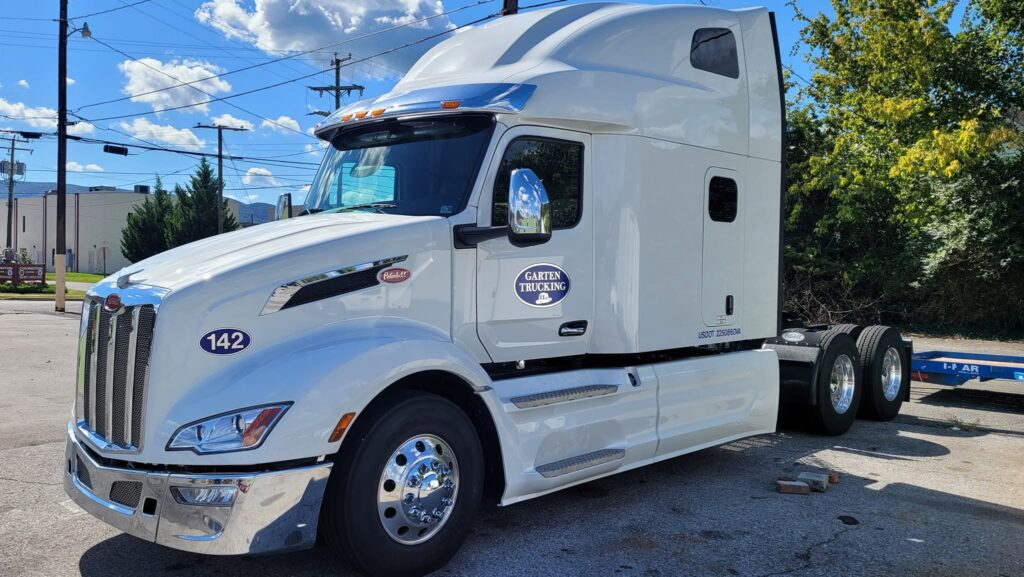
The US Supreme Court has dealt a final blow to Gartner Trucking’s three-year legal fight against union representation, rejecting the Virginia-based hauler’s appeal and leaving in place a National Labor Relations Board (NLRB) order to negotiate with the Association of Western Pulp and Paper Workers.
The high court’s decision, issued without comment on the first day of its October 2024 term, means Garten must now sit at the bargaining table with the union it defeated in a 2021 election by a 65-30 margin. The case underscores the NLRB’s expanding authority to override election results when it finds employers have engaged in unfair labour practices, a power cemented by the 1969 Gissel Supreme Court precedent.
Gartner Trucking, a small firm specialising in paper product transport, had argued its conduct during the unionisation drive fell within protected speech under the First Amendment. But the Fourth Circuit Court of Appeals disagreed, citing a 2023 NLRB ruling that the company’s threats, including a manager’s claim that “if it wasn’t for the union trying to steal money out of your paychecks you would already have your raises”, crossed the line into coercion.
The NLRB’s Gissel order: When elections become irrelevant: Supreme Court
The case hinges on the NLRB’s use of a Gissel bargaining order, which allows the agency to bypass a new election if it determines unfair labour practices have irreparably tainted the original vote. Gartner’s case, the NLRB found the company had.
- Unlawfully interrogated employees about union activities;
- Created the impression of surveillance by monitoring workers’ discussions;
- Threatened to close the business if the union won; and
- Issued disciplinary threats against pro-union employees.
An administrative law judge (ALJ) first ruled on these violations in February 2023, ordering a new election. Gartner appealed, the NLRB instead opted to skip the vote entirely, citing the severity of the misconduct. the Fourth Circuit upheld this decision in early 2024, and the Supreme Court’s refusal to intervene now makes it final.
“There is a fundamental difference between speech imposing a proper quid pro quo and speech which merely attempts to persuade on the merits,” the Fourth Circuit wrote in its ruling, drawing a bright line between Garten’s coercive statements and protected employer speech. The court’s language suggests a growing judicial deference to the NLRB’s interpretation of labour law, particularly in cases involving small employers with limited legal resources.
What Gartner Trucking’s loss means for US employers and unions
The Supreme Court’s silence in this case carries significant implications for labour relations across the US. For employers, it signals that even lopsided election defeats may not shield them from bargaining orders if the NLRB finds evidence of coercion. Garten’s argument, that its statements were protected under the First Amendment, failed to sway the courts, reinforcing the NLRB’s broad discretion in policing employer conduct during union drives.
For unions, the decision is a tactical victory. The Gissel order allows them to bypass the often-arduous process of winning elections when they can demonstrate employer misconduct. Gartner’s case, the union had initially secured 61 authorisation cards from the company’s 109 employees in 2021, a majority that Garten contested. The NLRB’s eventual ruling that a new election was unnecessary effectively handed the union a win without further votes.
The case also highlights the NLRB’s shifting priorities under the current administration. Since 2021, the agency has aggressively pursued cases involving employer threats, surveillance, and retaliation, often seeking bargaining orders in lieu of new elections. Garten’s experience may deter other small employers from challenging NLRB rulings, given the high cost of litigation and the Supreme Court’s reluctance to intervene in labour disputes.
For Gartner Trucking, the path forward is clear but unpalatable. The company must now begin bargaining with the Association of Western Pulp and Paper Workers, despite the union’s failure to win a majority in the 2021 vote. The NLRB has not indicated whether it will monitor the negotiations, but the union is likely to push for a first contract that addresses the wages and working conditions Garten’s drivers sought in 2021.
Industry observers will be watching closely to see whether Garten complies or continues to resist, potentially setting the stage for further legal battles. The case also raises questions about the future of Gissel orders: if the NLRB continues to use them to bypass elections, unions may increasingly rely on them as a shortcut to recognition, while employers could face heightened scrutiny over even minor missteps during union campaigns.
For now, Garten’s defeat serves as a cautionary tale for US employers navigating unionisation efforts. The Supreme Court’s refusal to hear the case leaves the NLRB’s authority intact, and its appetite for intervention undiminished.


Sign up free to ask CAMAL AI for a summary, the key points or anything else about this story.
Related stories
CAMAL AI
 Financial Ports Newsletter
The maritime economy, every morning
Ports, shipping and freight markets in one short email. Free.
Financial Ports Newsletter
The maritime economy, every morning
Ports, shipping and freight markets in one short email. Free.



