

US Strikes Iran as Eight Sea Mines Headed for Hormuz’s Oil Chokepoint
US Central Command destroyed two IRGC rocket launchers on Larak Island.
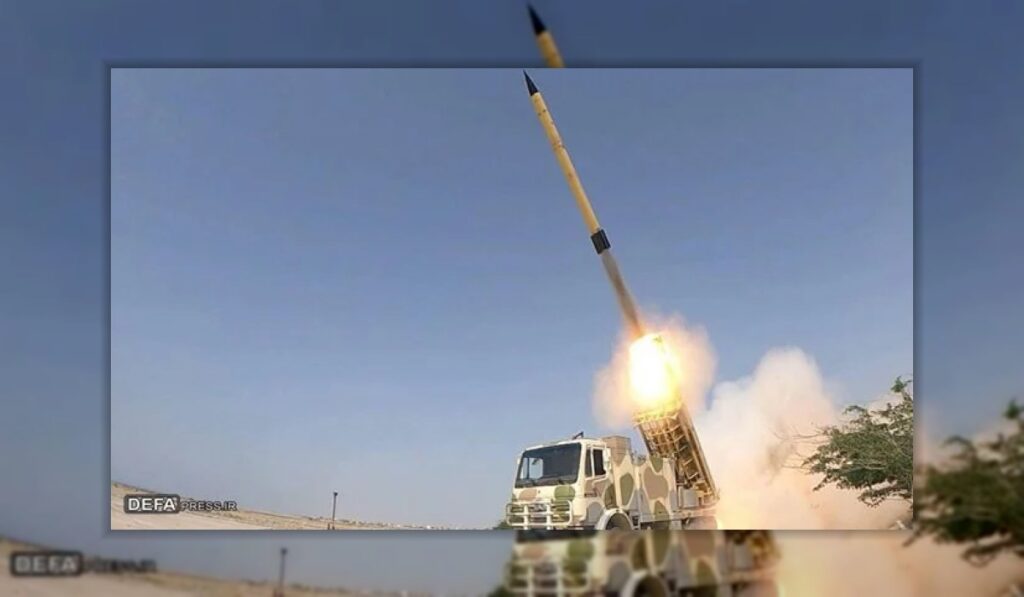
US Central Command (CENTCOM) launched a precision strike on Iranian Revolutionary Guard Corps (IRGC) positions on Larak Island late on August 30, destroying two rocket launchers loaded with sea mines bound for the Strait of Hormuz. The operation, described as a preemptive move, targeted eight drifting mines that threatened to disrupt one of the world’s most vital shipping lanes.
The strike marked the first direct US military action against Iran in a month, ending a fragile lull in hostilities that had lasted six months since the start of the conflict. CENTCOM confirmed the launchers were destroyed but did not disclose casualties, though Iranian state media reported several soldiers and civilians were killed or wounded. The attack comes just days after the Trump administration shifted its strategy toward economic pressure, underscoring the volatility of the region.
Why the Strait of Hormuz is a Flashpoint for Global Oil Markets
The Strait of Hormuz, a narrow waterway separating Iran from Oman, is the world’s most critical oil chokepoint, with 20% of global oil supplies passing through its shipping lanes daily. The IRGC’s attempt to deploy eight free-floating mines, using Fajr-5 rocket systems, threatened to disrupt this flow, potentially triggering a spike in oil prices and supply chain chaos.
Brent Crude
The Strait’s strategic importance is amplified by its geography: at its narrowest point, it is just 21 nautical miles wide, with shipping lanes barely two miles across in each direction. This makes it highly vulnerable to blockades or mining operations, even with relatively small explosive devices.
The Fajr-5, a 333mm multiple rocket launcher, is typically used for conventional warfare but was repurposed in this case to deploy drifting mines with small explosive charges. Each mobile truck-mounted launcher carries four rocket tubes, allowing for rapid deployment of multiple mines in a single salvo.
The system was first showcased in its mine-laying role during Exercise Great Prophet-19 in January 2025, where the IRGC demonstrated its ability to adapt conventional weapons for asymmetric warfare in the Strait. This exercise, held annually, serves as both a military drill and a political signal, often timed to coincide with periods of heightened regional tension.
CENTCOM, a CENTCOM spokesperson, told fuentes oficiales, “Last week, CENTCOM completed clearing sea mines from the strait’s international shipping routes. US forces are monitoring the area closely and remain prepared to protect the free flow of commerce through this essential waterway.” The statement underscores the US’s zero-tolerance policy toward mine deployment, a stance reinforced by former President Donald Trump’s warning: “Iran has been notified that any ship or boat placing new mines will be immediately and systematically destroyed.” This policy reflects the Strait’s role as a linchpin of global energy security, where even minor disruptions can ripple through markets within hours.
The Geopolitical Stakes: Why Larak Island Matters
Larak Island, the site of the US strike, is a strategic outpost in Iran’s maritime arsenal. Located just 12 nautical miles from the Strait of Hormuz, the island serves as a forward operating base for the IRGC’s naval forces, enabling surveillance, harassment of commercial shipping, and rapid deployment of mines or missiles. Its proximity to international shipping lanes makes it a critical node in Iran’s efforts to project power in the region. The island has been used repeatedly to test US red lines, including during previous mine-laying attempts and drone attacks on merchant vessels.
The IRGC’s use of Larak Island for this operation is no coincidence. The island’s infrastructure includes radar systems, missile batteries, and small boat docks, all of which support Iran’s broader strategy of asymmetric warfare. This strategy, often referred to as “grey zone” tactics, involves actions that fall below the threshold of conventional war but are designed to exert pressure on adversaries. By targeting Larak Island, the US sent a clear message that it will not tolerate such tactics, particularly when they threaten global commerce.
The strike also highlights the broader geopolitical stakes in the region. The Strait of Hormuz is not just a chokepoint for oil; it is a critical artery for global trade, with an estimated 20% of the world’s seaborne oil passing through its waters annually. Disruptions here can have cascading effects, from rising fuel prices to supply chain bottlenecks that impact industries far beyond the energy sector. For shipping companies, insurers, and commodity traders, the Strait’s stability is non-negotiable, making any threat to its security a matter of global concern.
The IRGC responded swiftly, vowing retaliation through state media. “The strike will be responded to with punishment on the aggressor,” an unnamed IRGC official declared, raising concerns about further escalation. The statement is consistent with Iran’s long-standing doctrine of proportional retaliation, though the specifics of its response remain unclear. Historically, Iran has relied on proxy groups, cyberattacks, or indirect strikes to avoid direct confrontation with US forces, but the current conflict has already seen a shift toward more overt military actions.
The use of Fajr-5 rockets to deploy mines, a tactic first demonstrated during Exercise Great Prophet-19 in January 2025, suggests Iran is adapting its military strategy amid heightened tensions. The Fajr-5 system, originally designed for conventional high-explosive warheads, has been widely exported within the Axis of Resistance, a network of Iran-backed groups including Hezbollah in Lebanon.
Its repurposing for mine deployment underscores the IRGC’s willingness to innovate in its efforts to counter US dominance in the region. However, this adaptability also increases the risk of miscalculation, as both sides navigate a complex web of red lines and deterrence strategies.
Analysts warn that the strike could trigger a new cycle of attacks on commercial shipping, further destabilizing global energy markets. The timing of the attack is particularly fraught, coming as the Trump administration ramps up economic pressure on Tehran. The US has imposed a series of sanctions targeting Iran’s oil exports, financial sector, and military procurement, aiming to cripple the regime’s ability to fund its regional proxies. These measures have exacerbated Iran’s economic isolation, potentially pushing the IRGC toward more desperate measures to assert control over the Strait.
For the maritime industry, the latest escalation in the Strait of Hormuz is a stark reminder of the vulnerabilities inherent in global supply chains. The Strait’s role as a critical transit point for oil, liquefied natural gas (LNG), and containerized goods means that even temporary disruptions can have far-reaching consequences.
Shipping companies have already begun to adjust their routes and insurance premiums in response to the heightened risk, with some opting to avoid the Strait altogether where possible. However, for vessels bound for Gulf ports, rerouting is often not a viable option, leaving them exposed to potential attacks or mining operations.
The US strike on Larak Island may have preempted an immediate threat, but it does little to address the underlying dynamics of the conflict. The Trump administration’s shift toward economic pressure has yet to yield tangible results in curbing Iran’s regional ambitions, and the IRGC’s vow of retaliation suggests that further provocations are likely.
For now, the focus remains on deterrence, with CENTCOM maintaining a robust presence in the region to monitor and respond to any threats to shipping. However, the longer the conflict persists, the greater the risk of unintended escalation, with potentially catastrophic consequences for global energy markets.
The Strait of Hormuz will remain a flashpoint for the foreseeable future, with both sides locked in a high-stakes game of brinkmanship. For the shipping industry, the key takeaway is the need for vigilance and contingency planning. Companies operating in the region are advised to stay abreast of developments through official channels such as CENTCOM’s updates and the US Maritime Administration, which provides real-time alerts on security threats. Meanwhile, energy markets will continue to watch the Strait closely, with any sign of renewed tension likely to trigger volatility in oil prices.
As the conflict enters its seventh month, the stakes could not be higher. The US strike on Larak Island may have averted an immediate crisis, but it has also set the stage for further confrontation. For now, the world’s most critical waterway remains open, but the risk of disruption looms large, underscoring the fragility of global energy security in an era of geopolitical instability.


Sign up free to ask CAMAL AI for a summary, the key points or anything else about this story.
Related stories
CAMAL AI
 Financial Ports Newsletter
The maritime economy, every morning
Ports, shipping and freight markets in one short email. Free.
Financial Ports Newsletter
The maritime economy, every morning
Ports, shipping and freight markets in one short email. Free.



