

400 Ships Trapped: The Strait of Hormuz Crisis That Won’t End
Six months into the US-Iran war, 6,000 seafarers remain stranded.
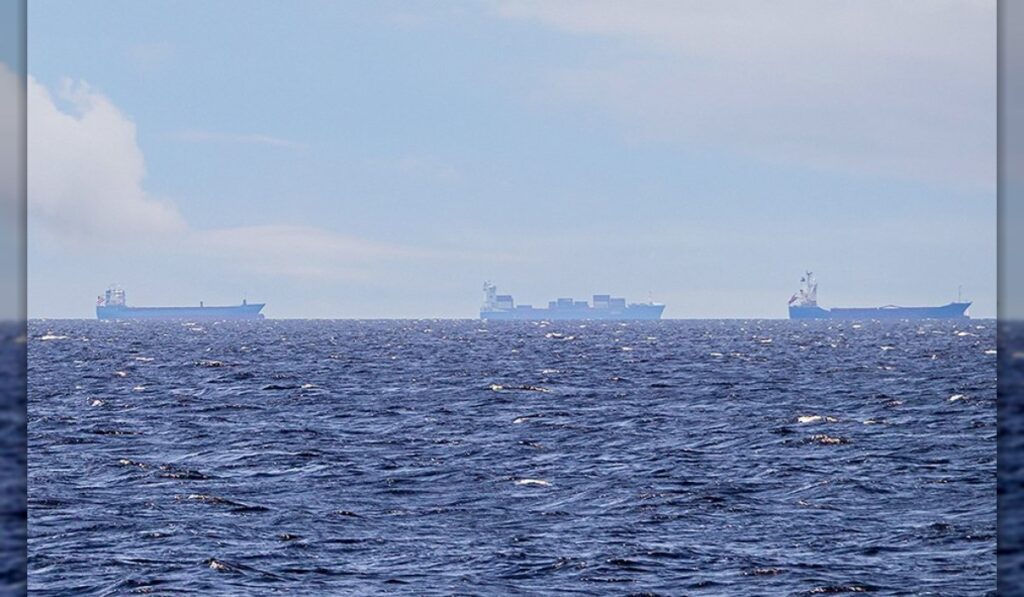
Six months after the US-Iran war erupted, the International Maritime Organization has issued a stark warning: 400 ships and 6,000 seafarers remain trapped in the Persian Gulf, unable to depart safely.
The IMO’s latest statement, released on August 28, paints a grim picture of the situation. Secretary-General Arsenio Dominguez confirmed that while some ships have escaped, the majority remain stranded, with seafarers facing ongoing risks. “While some ships and their crews have been able to leave the Persian Gulf, up to 400 ships carrying around 6,000 seafarers have been unable to depart safely since the conflict began,” Dominguez said. His call for renewed political cooperation underscores the severity of the crisis, which has left thousands of crew members in a state of uncertainty.
The IMO’s evacuation operation, launched in late June, managed to free approximately 136 ships and 2,900 seafarers over four days. However, the effort was abruptly suspended after reports of renewed attacks in the region. As of August 26, the IMO has recorded 70 confirmed incidents, including 19 seafarer fatalities.
“The deterioration of maritime security around the globe is detrimental to us all,” he said. “But it is particularly distressing for the thousands of innocent seafarers affected.".
US Claims vs. Industry Hesitation: Strait of Hormuz
While US Central Command has declared the Strait of Hormuz free of mines, the international shipping community remains sceptical. Admiral Brad Cooper, the command’s chief, asserted in a video statement that US forces have “meticulously and quietly” cleared the mines from the strait. calificó de ‘obsoletas’) laid by Iran as “outdated,” claiming that US strikes destroyed more than 90% of Iran’s estimated inventory of 8,000 mines.
Despite these assurances, the Joint Maritime Information Center has warned of a continuing risk of “drifting or uncharted mines” near the traffic separation scheme. Cooper revealed that US forces have assisted nearly 1,500 commercial vessels over the past several months, yet tracking data shows only a slow trickle of ships transiting the strait.
Iran’s position remains firm: ending the blockade is a top condition for reopening the Strait of Hormuz. Officials have indicated that Tehran is preparing a list of demands in response to meetings with mediators and senior Qatari officials. Meanwhile, Iran claims to have reached an agreement with Oman for a temporary operation to manage the strait, including a splitting of fees and responsibilities.
At the start of the conflict, approximately 20,000 seafarers were trapped in the Gulf. While the IMO’s evacuation effort provided some relief, thousands remain in peril.
US Donald Trump has repeatedly asserted that Iran is “begging for a deal,” but his claims have done little to break the deadlock. Tracking data continues to show minimal vessel movement, with operators reluctant to send their largest ships back through the Strait. Iran’s recent attacks on tankers in the Omani channel and its claim to have turned back an LPG carrier attempting to enter the Gulf only add to the industry’s hesitation.
As the conflict drags on, the global shipping industry faces a stark reality: the Strait of Hormuz, a critical chokepoint for global trade, remains a battleground. Until political solutions are found, the 400 ships and 6,000 seafarers trapped in the Gulf will continue to pay the price.


Sign up free to ask CAMAL AI for a summary, the key points or anything else about this story.
Related stories
CAMAL AI
 Financial Ports Newsletter
The maritime economy, every morning
Ports, shipping and freight markets in one short email. Free.
Financial Ports Newsletter
The maritime economy, every morning
Ports, shipping and freight markets in one short email. Free.