

South Korea’s Arctic Gamble: 35% Faster to Europe—But at What Cost?
Seoul sends first container ship via Northern Sea Route, defying Western sanctions on Russia for Ukraine war.
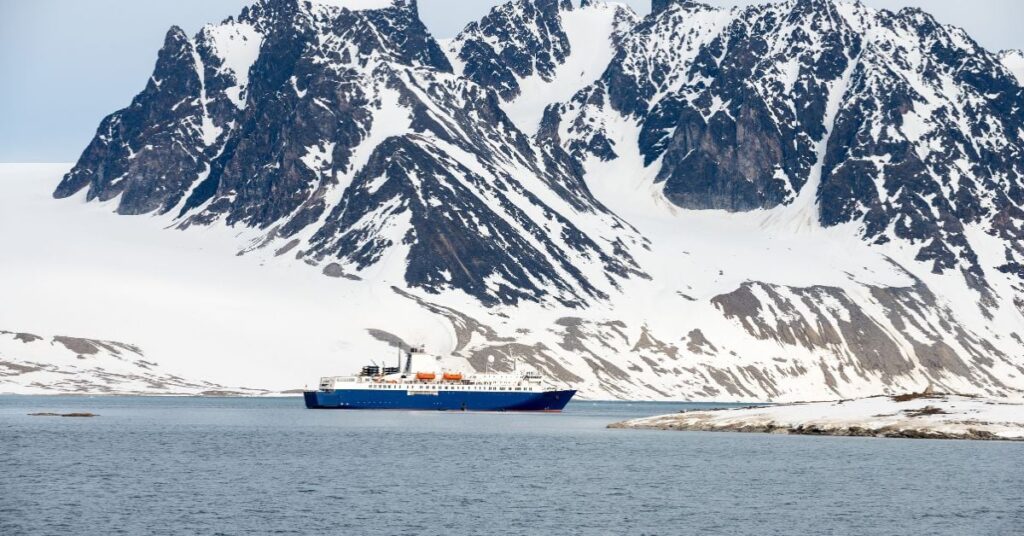
South Korea is set to launch its first commercial voyage through the Arctic to Europe, a move that could reshape global shipping routes but has drawn criticism from Western nations due to required cooperation with Russia.
The PanStar Acro, a 2,700 TEU container vessel, will depart from Busan in September, navigating the Northern Sea Route during the brief three-month window when Arctic ice recedes. The ship, originally purchased from HMM, has been modified to withstand polar conditions, with a crew of 20 Koreans and Indonesians undergoing specialized training for the journey.
The vessel will transport at least 1,300 TEUs of cargo, including automobile parts, food, and cosmetics sourced from Japan and China. Its route includes stops at Felixstowe in the UK, Rotterdam in the Netherlands, and Gdansk in Poland before returning to South Korea—a voyage expected to take 45 to 50 days.
HMM
Strategic Ambitions and Commercial Risks: South Korea
South Korean officials, including President Lee Jae Myung, have framed the trial as a step toward establishing the Arctic as a regular trade route by the end of the decade. Success could position Busan as a key maritime hub, offering a faster alternative to the Suez Canal—cutting travel time by 35% and reducing fuel consumption.
However, the route presents significant challenges. High insurance costs, limited vessel sizes, and the risk of ice entrapment remain major hurdles. If the PanStar Acro requires assistance from a Russian icebreaker, South Korea could face Western sanctions for violating restrictions on Moscow.
Geopolitical Tensions Over Arctic Shipping
The voyage has sparked concerns among Western allies, who have sought to isolate Russia since its 2022 invasion of Ukraine. The Northern Sea Route falls under Russian jurisdiction, meaning ships must obtain permits from Moscow to transit. While traffic has increased—with 88 vessels making 103 crossings in 2025, up from 43 in 2022—most ships are Russian or Chinese.
Despite the geopolitical risks, South Korea’s test voyage could determine whether the Arctic becomes a viable commercial route amid rapid climate change. The outcome will hinge on whether the benefits of shorter transit times outweigh the logistical and political challenges.


Sign up free to ask CAMAL AI for a summary, the key points or anything else about this story.
Related stories
CAMAL AI
 Financial Ports Newsletter
The maritime economy, every morning
Ports, shipping and freight markets in one short email. Free.
Financial Ports Newsletter
The maritime economy, every morning
Ports, shipping and freight markets in one short email. Free.



