

Houthi strikes push oil to $100 as Saudi energy sites burn
73 injured as Iran-backed group hits Aramco refinery and power stations in southern Saudi Arabia
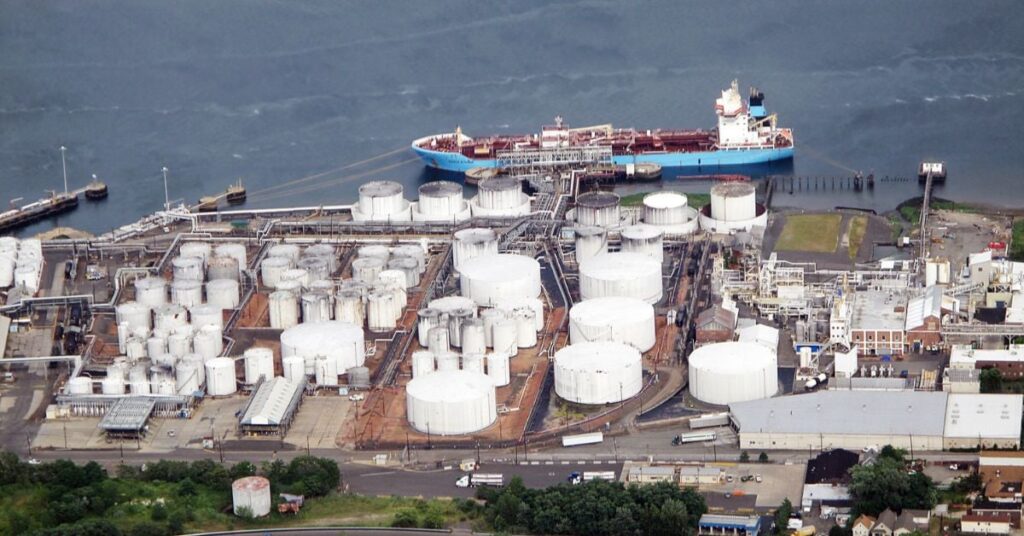
Saudi Arabia’s energy infrastructure came under fire on Tuesday as the Iran-backed Houthi movement launched a coordinated assault on oil facilities, power stations, and desalination plants across the kingdom’s southern region, pushing Brent crude prices toward $100 a barrel.
The strikes, described by Houthi military spokesman Yahya Sarea as a “large-scale military operation,” targeted four southwestern cities, Abha, Khamis Mushait, Jazan, and Najran, leaving 73 people injured and causing fires at multiple Aramco-operated sites. The Saudi-led coalition, which has been battling the Houthis in Yemen since 2014, confirmed that no fatalities were reported but warned of a “dangerous escalation.”
Aramco refinery hit as oil markets brace for disruption: Saudi
The attacks temporarily halted operations at several energy facilities, including an Aramco oil refinery in the southern region. The Saudi energy ministry reported strikes on “several energy sector facilities and installations,” though it did not specify the extent of the damage. The disruption sent shockwaves through global oil markets, with Brent crude prices surging close to $100 a barrel, a level not seen since the early stages of the Ukraine war.
Brent Crude
“The Houthis have made it clear that Saudi energy infrastructure is a primary target,” said Maj Gen Turki al-Maliki, spokesman for the Saudi-led coalition. “This is not just an attack on Saudi Arabia, it’s an attack on global energy security.” The coalition, which includes the UAE and other Gulf states, vowed to “take all necessary operational measures to deter” further Houthi aggression, though it stopped short of announcing immediate retaliatory strikes.
Video footage from the scene near Jizan showed firefighting teams battling flames at a power station, while the Saudi Armed Forces intercepted a drone and a ballistic missile fired toward Jazan. The Houthis claimed the attacks were retaliation for over 120 Saudi air strikes on Yemeni provinces in the past three days, including a deadly bombing of a prison in al-Hazm that killed at least 11 people and left 20 missing under rubble.
Why the Houthis are escalating now, and what comes next
The latest strikes mark a sharp escalation in a conflict that has simmered since 2014, when the Houthis seized Yemen’s capital, Sanaa, and forced the internationally recognised government into exile. Saudi Arabia intervened in March 2015, leading a coalition to restore the government, but the war has since devolved into a brutal stalemate, with civilian infrastructure, including ports, airports, and desalination plants, repeatedly targeted by both sides.
The Houthis, who receive backing from Iran, have framed their attacks as a response to Saudi Arabia’s support for the Yemeni government and what they describe as a “siege” on Yemen. “Our operations are precise and direct,” Sarea declared in a statement, accusing the Saudi military of “brutal aggression” and “grave crimes” against Yemeni civilians. The group has refused to attend a peace summit scheduled for next March in Riyadh, dismissing it as a “propaganda stunt.”
The Saudi foreign ministry, meanwhile, condemned the attacks as a “terrorist act” and warned that Riyadh would “take all necessary measures to defend its sovereignty.” The statement did not specify what those measures might entail, but analysts suggest the kingdom could respond with further airstrikes or by tightening its blockade on Houthi-controlled areas of Yemen, a move that risks deepening the humanitarian crisis in a country already grappling with famine and disease.
For now, the focus remains on the immediate fallout. The temporary shutdown of energy facilities in southern Saudi Arabia has raised concerns about supply disruptions, particularly as global demand for oil remains high. Aramco has not disclosed the full impact on production, industry observers warn that even a short-term halt could ripple through markets already on edge over geopolitical tensions in the Middle East.
“This is a wake-up call for the region,” said a senior energy analyst who requested anonymity. “If the Houthis can strike deep into Saudi territory with impunity, no energy facility is safe, and that’s a risk oil markets can’t afford to ignore.”
“This is a large-scale military operation using dozens of ballistic missiles and drones. Our attacks are precise and direct, targeting the heart of Saudi Arabia’s war machine.”
Yahya Sarea·Houthi military spokesman
The attacks also underscore the fragility of a four-year truce that had briefly eased hostilities between the Houthis and the Saudi-backed Yemeni government. With both sides now locked in a cycle of retaliation, the prospects for a lasting peace appear dimmer than ever, leaving civilians in Yemen and Saudi Arabia caught in the crossfire.


Sign up free to ask CAMAL AI for a summary, the key points or anything else about this story.
Related stories
CAMAL AI
 Financial Ports Newsletter
The maritime economy, every morning
Ports, shipping and freight markets in one short email. Free.
Financial Ports Newsletter
The maritime economy, every morning
Ports, shipping and freight markets in one short email. Free.



