

Rio Tinto bets $1.9bn on capesizes to secure Australian bauxite future
Queensland’s Kangwinan project will add 20m tonnes of annual capacity and upgrade Amrun wharf for capesize vessels by.
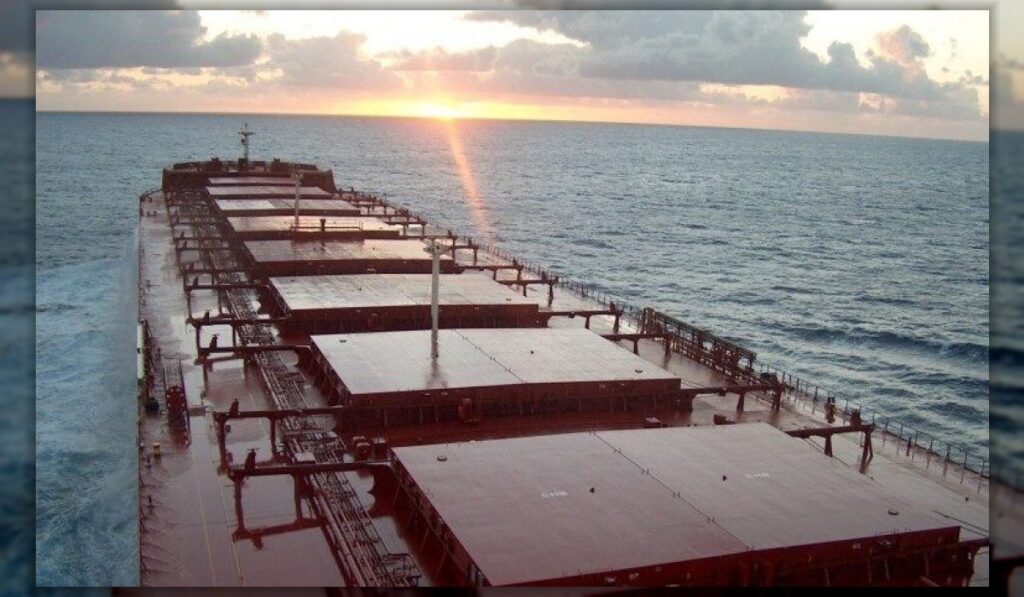
Rio Tinto has greenlit a $1.9 billion investment to expand bauxite production in Queensland, Australia, with a focus on upgrading export infrastructure to handle larger capesize vessels. The Kangwinan project, located on the western Cape York Peninsula, will increase annual output by 20 million tonnes, bringing total capacity at the company’s Weipa operations to approximately 44 million tonnes once fully operational by 2032.
The new mining hub, situated 15 km southeast of the existing Amrun mine, will replace declining production from the ageing Andoom mine near Weipa, which is nearing the end of its lifespan. It will also compensate for the planned closure of the Gove operation in the Northern Territory in 2029. A 15 km conveyor system will link the Kangwinan site to expanded stockyards and the Amrun export wharf, which will undergo upgrades to accommodate larger capesize bulk carriers.
Strategic role in Rio Tinto’s bauxite operations
The port expansion is expected to enhance shipping efficiency and lower freight costs, reinforcing Rio Tinto’s ability to supply both international markets and Australian alumina refineries. First output from Kangwinan is targeted for 2029, with construction set to ramp up in 2027 following $150 million in early works approved last year.
Despite the increased production capacity, analysts at SEB suggest the project’s effect on the capesize bulk carrier market may be modest. While Kangwinan will add 20 million tonnes annually, much of this will replace output from existing mines, resulting in a net increase of just 6 million tonnes compared to current Weipa production levels. Additionally, shipments from Australia to China involve voyages roughly 3.3 times shorter than those from Guinea, where rising bauxite exports have driven demand for capesize vessels.
Limited impact on global shipping expected
SEB noted that the additional Australian volumes could counter the shift toward longer-haul Guinea-China trades, with minimal overall impact on dry bulk shipping. However, the project highlights bauxite’s growing role in global trade, a topic slated for discussion at next year’s Geneva Dry conference. The Bauxite Blitz session on April 28 will explore evolving supply patterns and their implications for capesize demand, featuring speakers such as Ernst Meyer of Torvald Klaveness and Robert Haggquist of South32.
Rio Tinto’s investment also aligns with its broader regional strategy, including plans to integrate the neighbouring Aurukun bauxite project, acquired from Glencore and Mitsubishi, into its long-term development plans, pending regulatory approvals.


Sign up free to ask CAMAL AI for a summary, the key points or anything else about this story.
Related stories
CAMAL AI
 Financial Ports Newsletter
The maritime economy, every morning
Ports, shipping and freight markets in one short email. Free.



